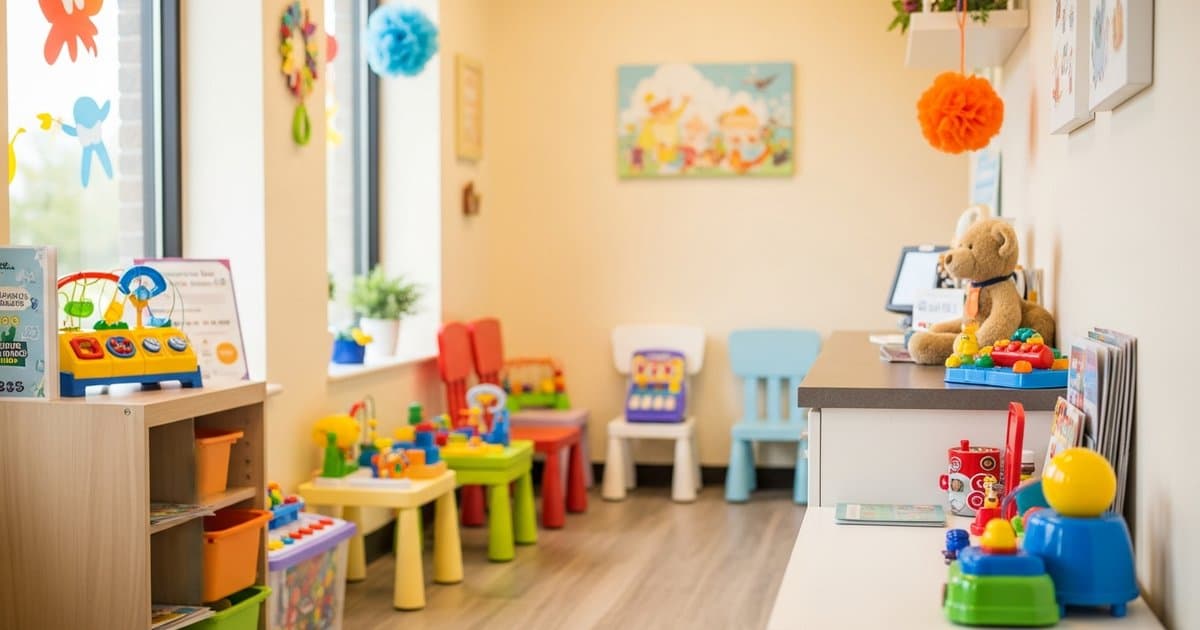
A child's first impression of your dental practice begins the moment they step into your waiting room. For many young patients, this initial experience can set the tone for their entire visit and potentially influence their relationship with dental care for years to come. Creating a welcoming, anxiety-reducing environment isn't just about adding colorful decorations—it requires thoughtful planning, strategic design choices, and the right mix of engaging elements that speak to children while maintaining the professional standards parents expect.
The pediatric dental waiting room serves as a crucial transition space where children can gradually acclimate to the dental environment. Research shows that children who feel comfortable and relaxed in waiting areas are significantly more cooperative during their actual treatment. By investing in a well-designed waiting room, pediatric dental practices can reduce appointment delays, minimize behavioral challenges, and create positive associations that lead to better long-term patient retention and referrals.
Understanding Child Psychology in Dental Environments
Before diving into specific design elements, it's essential to understand what triggers anxiety in young patients and how environmental factors can either escalate or alleviate their concerns. Children's fear of dental visits often stems from fear of the unknown, past negative experiences, or anxiety picked up from parents and siblings.
The waiting room presents an opportunity to address these fears proactively. Colors, sounds, lighting, and spatial organization all play critical roles in creating a calming atmosphere. Warm, natural lighting helps children feel more at ease compared to harsh fluorescent fixtures that can feel clinical and intimidating. Similarly, rounded furniture edges and appropriately scaled seating help children feel secure rather than overwhelmed by adult-sized furnishings.
Consider implementing zones within your waiting area to accommodate different age groups and temperaments. A quiet corner with books and puzzles appeals to introverted children, while an interactive play area satisfies more energetic personalities. This zoning approach also helps parents select the most appropriate space for their child's current mood and energy level.
Sound management is particularly important in pediatric waiting rooms. While you want to mask potentially frightening sounds from treatment areas, overly loud music or too many competing audio sources can create overwhelming sensory experiences. Consider using white noise machines, soft background music, or nature sounds to create a peaceful auditory environment.
Essential Design Elements for Anxiety Reduction
The physical design of your waiting room should prioritize comfort and visual appeal while maintaining practical functionality for daily operations. Start with a color palette that feels warm and inviting without being overstimulating. Soft blues, greens, and earth tones create calming foundations, while strategic pops of brighter colors through artwork, pillows, or play elements add visual interest without overwhelming young senses.
Flooring choices deserve special consideration in pediatric practices. While carpet can feel warm and comfortable, it presents significant challenges for infection control and maintenance. Instead, consider luxury vinyl tile that mimics wood or stone textures, paired with washable area rugs that can be easily cleaned and rotated. This approach provides comfort underfoot while maintaining the hygiene standards essential in healthcare environments.
Seating arrangements should accommodate various family configurations, from single parents with multiple children to grandparents who may need additional support. Include a mix of individual chairs, small sofas, and floor-level seating options. Bean bag chairs designed for commercial use can be particularly appealing to children while remaining easy to clean and maintain.
Wall treatments offer excellent opportunities to create engaging visual experiences. Consider removable wall decals featuring favorite characters or educational themes that can be updated as trends change. Interactive wall elements like busy boards, magnetic drawing surfaces, or textured panels encourage tactile exploration and can help redirect anxious energy into constructive play.
Natural elements have proven anxiety-reducing benefits for patients of all ages. If space and maintenance capabilities allow, consider adding low-maintenance plants, nature photography, or even aquariums. These elements provide calming focal points and can serve as conversation starters between nervous children and dental team members.
Furnishing and Equipment Selection
When selecting furniture and equipment for pediatric waiting rooms, durability and easy maintenance must balance with comfort and aesthetic appeal. Commercial-grade furniture designed for healthcare environments offers the best long-term value, as it's built to withstand heavy use while meeting strict safety and hygiene standards.
Choose tables and seating with antimicrobial surfaces that can be easily disinfected between uses. Many manufacturers now offer furniture with built-in antimicrobial properties that provide continuous protection against harmful bacteria and viruses. This feature is particularly valuable in pediatric settings where surfaces receive frequent contact from small hands.
Storage solutions help maintain the organized, calming atmosphere you've worked to create. Built-in cubbies, toy bins, and magazine holders keep materials accessible while preventing clutter from accumulating. Consider storage options that double as seating or play surfaces to maximize your space efficiency.
Technology integration requires careful consideration in pediatric waiting rooms. While tablets and digital displays can provide entertainment, they should complement rather than replace hands-on activities that promote social interaction and creative play. If you choose to include digital elements, ensure they're securely mounted and equipped with protective cases designed for commercial use.
Lighting fixtures should provide adequate illumination for reading and activities while creating a warm, residential feel. Avoid fluorescent lighting whenever possible, opting instead for LED fixtures that can be dimmed as needed. Table lamps and floor lamps add ambient lighting and help create a more home-like atmosphere that reduces clinical anxiety.
Age-Appropriate Activities and Entertainment
Successful pediatric waiting rooms offer diverse entertainment options that engage children across different age groups and developmental stages. For toddlers and preschoolers, focus on activities that support fine motor development and sensory exploration. Large, soft blocks, busy boards with various textures and moving parts, and simple musical instruments provide engaging experiences while building developmental skills.
School-age children benefit from activities that challenge their growing cognitive abilities while remaining enjoyable. Consider rotating puzzles, age-appropriate board games, and craft stations with washable supplies. Educational activities that relate to dental health can begin introducing important concepts in a fun, non-threatening way.
Reading areas should include diverse book selections that represent various cultures and family structures. Board books for youngest visitors, picture books for preschoolers, and early chapter books for older children ensure every child can find something appealing. Consider including books specifically about dental visits to help normalize the experience and address common concerns.
Interactive elements encourage movement and can help children burn off nervous energy. Consider installing child-safe climbing structures, balance beams, or interactive floor projections that respond to movement. These elements should be designed for easy cleaning and maintenance while providing appropriate physical challenges for young users.
For optimal infection control, any toys or activities provided should be easily cleanable or disposable. Our guide on Toy and Waiting Room Disinfection in Pediatric Offices provides detailed protocols for maintaining safe play environments in healthcare settings.
Creating Smooth Transitions to Treatment Areas
The waiting room experience should seamlessly connect to the treatment areas to maintain the positive atmosphere you've created. Visual connections between spaces help children understand what to expect, reducing anxiety about unknown environments. Consider designing your child-friendly dental operatory with similar color schemes and design elements to provide continuity throughout the patient journey.
Transition activities can help bridge the gap between waiting and treatment. Consider having team members engage children in the waiting room with simple games or conversations that can continue into the treatment area. This personal connection helps children feel more secure and creates positive associations with your dental team.
Clear sightlines between the waiting area and checkout desk help parents stay informed about appointment progress while allowing children to see familiar faces throughout their visit. This visibility also enables your team to monitor the waiting room and engage with families as appropriate.
How TGP Can Help
Creating the ideal pediatric dental waiting room requires significant investment in quality furniture, supplies, and ongoing materials. The Gargle Practice (TGP) understands the unique challenges facing pediatric dental practices and offers comprehensive group purchasing organization (GPO) benefits that can help you achieve your vision while maintaining fiscal responsibility.
Through TGP's extensive network of dental industry partnerships, pediatric practice owners can access 20-30% savings on essential waiting room supplies and equipment. This includes commercial-grade furniture, cleaning and disinfection supplies, educational materials, toys and activities, and technology solutions designed specifically for healthcare environments.
TGP's purchasing power enables practices to access premium products that might otherwise strain individual practice budgets. Whether you're selecting antimicrobial furniture, investing in interactive wall elements, or sourcing ongoing supplies for activities and entertainment, TGP's negotiated pricing helps your investment dollars go further.
Beyond cost savings, TGP provides access to products that meet strict healthcare industry standards for safety, durability, and infection control. This curated selection process saves practice owners valuable time in researching and vetting suppliers while ensuring all purchases meet the rigorous demands of pediatric healthcare environments.
The ongoing nature of waiting room maintenance—from replacement toys and craft supplies to cleaning products and furniture updates—represents a significant annual expense for pediatric practices. TGP's membership benefits provide consistent savings on these recurring costs, helping practices maintain their welcoming environments without compromising profitability.
Key Takeaways
• First impressions matter: The waiting room experience significantly influences children's attitudes toward dental care and their cooperation during treatment
• Design with purpose: Every element from colors and lighting to furniture placement should consider child psychology and anxiety reduction
• Safety and hygiene are paramount: All furnishings and activities must meet healthcare standards for cleanability and infection control
• Age-appropriate engagement: Successful waiting rooms offer diverse activities that appeal to different developmental stages and personality types
• Seamless transitions: Design continuity between waiting and treatment areas helps maintain positive experiences throughout the visit
• Investment in quality pays off: Commercial-grade furnishings and supplies designed for healthcare use provide better long-term value than residential alternatives
• Group purchasing power: TGP membership can reduce waiting room investment costs by 20-30% while ensuring access to appropriate healthcare-grade products
Frequently Asked Questions
How often should waiting room toys and materials be replaced or updated?
The replacement frequency depends on usage levels and the specific items involved. High-touch toys and craft supplies may need weekly or monthly rotation, while books and puzzles can typically last several months with proper care. Establish a regular inspection schedule to assess wear and tear, and maintain an inventory of backup items to ensure continuous availability. Many practices find success with seasonal rotations that keep the environment fresh and engaging while allowing thorough cleaning and assessment of all materials. Consider implementing a tracking system to monitor which items are most popular and which may need more frequent replacement.
What's the ideal ratio of seating to entertainment space in a pediatric waiting room?
The optimal balance depends on your practice's appointment scheduling patterns and typical family sizes, but most successful pediatric waiting rooms allocate approximately 60% of space to seating and 40% to activities and circulation. This ratio ensures adequate seating for peak periods while providing enough entertainment space to keep children engaged and moving. Consider flexible furniture arrangements that can be adjusted based on daily needs, and remember that some seating can double as activity space when positioned around play tables or reading areas.
How can I maintain infection control standards while keeping the waiting room welcoming and comfortable?
Modern infection control practices can coexist with warm, welcoming environments through careful product selection and established protocols. Choose antimicrobial surfaces, washable fabrics, and toys specifically designed for healthcare use. Implement regular cleaning schedules that include both routine maintenance and deep sanitization procedures. Train staff on proper disinfection techniques and consider involving older children in hand hygiene practices as part of their visit routine. Focus on education rather than restriction—teaching children about healthy habits creates positive associations while maintaining safety standards.