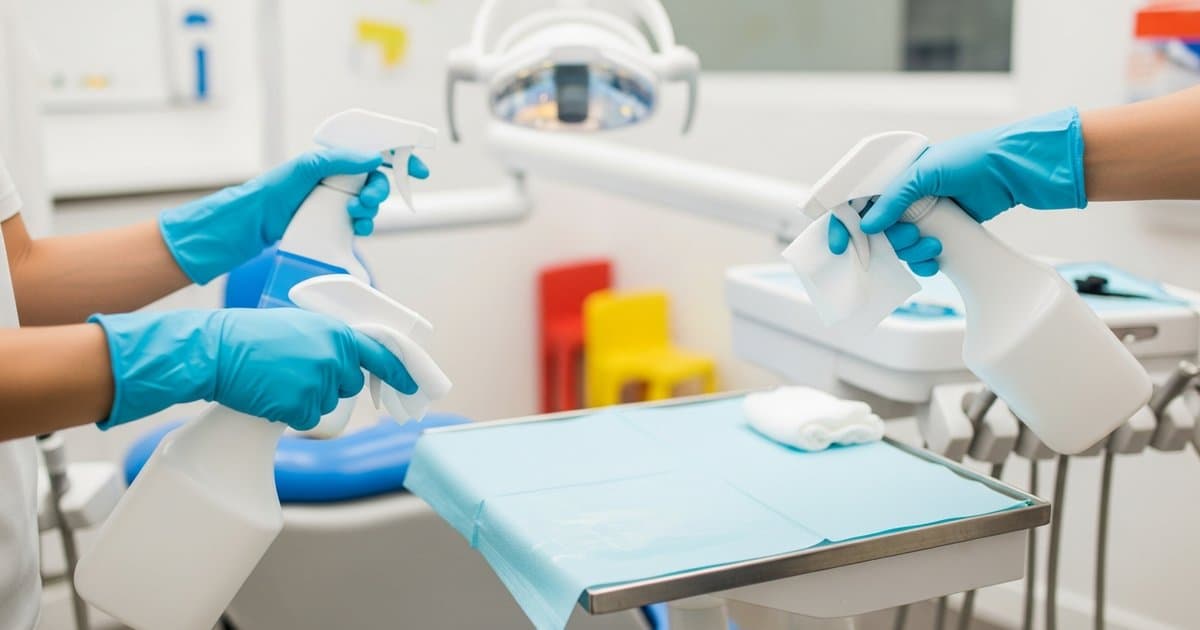
Creating a safe and welcoming environment for young patients requires more than just colorful decorations and engaging toys—it demands meticulous attention to cleanliness and infection control. Pediatric dental practices face unique challenges when it comes to disinfection, as children are naturally more tactile, have developing immune systems, and require frequent interaction with shared surfaces and toys. The COVID-19 pandemic has further highlighted the critical importance of comprehensive disinfection protocols, making it essential for pediatric practice owners to implement robust cleaning strategies that protect both patients and staff while maintaining the warm, inviting atmosphere that puts children at ease.
Understanding the Unique Disinfection Challenges in Pediatric Practices
Pediatric dental offices operate in a fundamentally different environment compared to adult practices. Children explore their surroundings through touch, often putting objects in their mouths, and may not consistently follow hygiene protocols like hand washing or covering coughs. This behavior pattern creates multiple opportunities for pathogen transmission, making comprehensive disinfection protocols absolutely essential.
The high-touch nature of pediatric waiting rooms presents particular challenges. Toys, books, play structures, and interactive displays are constantly handled by multiple children throughout the day. Unlike adult waiting rooms where patients primarily interact with magazines and chairs, pediatric spaces feature numerous porous and non-porous surfaces that require different cleaning approaches.
Children's developing immune systems also make them more susceptible to infections, placing additional responsibility on practice owners to maintain the highest standards of cleanliness. Common pediatric pathogens include respiratory viruses, gastrointestinal bugs, and bacteria that cause ear infections—all of which can survive on surfaces for extended periods if not properly addressed.
The psychological aspect cannot be overlooked either. Parents are increasingly conscious of hygiene practices and expect to see visible evidence of cleanliness when bringing their children for dental care. A well-executed disinfection protocol not only protects health but also builds trust and confidence among families.
Safe and Effective Disinfectants for Pediatric Environments
Selecting appropriate disinfectants for pediatric spaces requires balancing efficacy against safety concerns. Children are more sensitive to chemical exposure due to their smaller body size, higher respiratory rates, and tendency to put objects in their mouths. This necessitates careful product selection that prioritizes both antimicrobial effectiveness and child safety.
EPA-Registered Hospital-Grade DisinfectantsLook for products specifically registered with the Environmental Protection Agency for use in healthcare settings. These disinfectants have undergone rigorous testing to ensure they eliminate a broad spectrum of pathogens while meeting safety standards. Products containing quaternary ammonium compounds, such as CaviWipes or Sani-Cloth, are particularly effective for pediatric settings as they provide excellent antimicrobial action with relatively low toxicity profiles.
Non-Toxic and Green AlternativesFor practices prioritizing environmental consciousness and minimizing chemical exposure, several eco-friendly options provide effective disinfection. Hydrogen peroxide-based cleaners offer excellent antimicrobial properties while breaking down into water and oxygen, leaving no harmful residues. Products like Oxivir or similar hydrogen peroxide formulations are particularly suitable for toy cleaning and high-touch surfaces in play areas.
Alcohol-Based SolutionsIsopropyl alcohol solutions (70% concentration) provide rapid kill times against most pathogens and evaporate quickly, reducing residue concerns. These are particularly effective for electronics and hard surfaces but should be used with adequate ventilation and kept away from children during application.
UV-C Disinfection TechnologyWhile not a chemical solution, UV-C sanitizing systems offer an excellent supplementary approach for toy disinfection. These systems can effectively sanitize toys and books without chemical residues, making them ideal for items that children frequently put in their mouths.
For comprehensive guidance on selecting disinfectants for your entire practice, consult our detailed Surface Disinfectants for Dental Offices: A Comparison Guide, which covers specific product recommendations and comparison criteria.
Comprehensive Toy Cleaning and Disinfection Protocols
Developing systematic protocols for toy sanitization ensures consistent implementation across your practice while maintaining the safety and appeal of play items. The key is creating manageable systems that staff can easily follow during busy periods.
Categorizing Toys by Material and Risk LevelEstablish a classification system based on material composition and contamination risk. Hard, non-porous toys (plastic blocks, wooden puzzles with sealed finishes) can withstand stronger disinfectants and frequent cleaning. Soft toys, fabric items, and porous materials require gentler approaches and may need more frequent replacement.
High-risk toys include those commonly put in mouths (teething toys, small blocks), items used by multiple children simultaneously (large building sets), and anything that cannot be easily disinfected (stuffed animals with complex textures). Consider limiting high-risk items or implementing single-use policies where practical.
Daily Cleaning RoutinesImplement a rotation system where toys are cleaned and disinfected at least twice daily—mid-day and after closing. Use clearly labeled containers to separate clean, dirty, and disinfected toys. This prevents cross-contamination and ensures toys are properly processed before being returned to play areas.
For quick turnaround during busy periods, maintain multiple sets of popular toys so cleaning doesn't interrupt play opportunities. Steam cleaning can be highly effective for toys that can withstand heat and moisture, providing chemical-free disinfection that's safe for items children put in their mouths.
Weekly Deep Cleaning ProtocolsSchedule comprehensive weekly cleaning for all toys and play equipment. This includes dismantling complex toys for thorough cleaning, washing fabric items in hot water with appropriate detergents, and deep-cleaning play structures and furniture.
Document your cleaning protocols and maintain logs to ensure consistency and demonstrate compliance with health regulations. Many state health departments require documentation of cleaning procedures for healthcare facilities.
High-Touch Surface Management in Waiting Areas
Waiting room surfaces present ongoing challenges due to constant use and the difficulty of cleaning during operating hours. Implementing strategic approaches to surface management can significantly reduce pathogen transmission while maintaining a welcoming environment.
Identifying Critical Touch PointsConduct a thorough assessment of your waiting area to identify all high-touch surfaces. Beyond obvious items like door handles and chairs, consider light switches, play table surfaces, book covers, tablet screens, check-in counters, and even wall-mounted decorations within children's reach.
Create a priority hierarchy focusing first on surfaces most likely to harbor pathogens or contact children's hands and faces. Bathroom fixtures, water fountains, and snack area surfaces deserve particular attention due to their association with bodily functions and food consumption.
Strategic Surface Selection and ModificationWhen renovating or updating waiting areas, prioritize surfaces and materials that facilitate easy cleaning. Non-porous materials like sealed wood, laminate, and certain plastics are much easier to disinfect than fabric upholstery or carpet.
Consider antimicrobial surface treatments for high-touch areas. Copper-infused materials, antimicrobial films, and specially treated surfaces can provide ongoing pathogen reduction between cleaning cycles. While these shouldn't replace regular cleaning, they offer additional protection.
Real-Time Cleaning StrategiesTrain front desk staff to perform quick surface disinfection during natural lulls in patient flow. Keep disinfectant wipes easily accessible at the reception desk for immediate cleanup of spills or visible contamination.
Implement "reset periods" between patient groups when possible, allowing brief but thorough disinfection of waiting area surfaces. This is particularly important during illness outbreaks or when treating patients with known infections.
Consider the psychological impact of visible cleaning. Parents appreciate seeing active disinfection efforts, so don't hesitate to clean surfaces when families are present, using this as an opportunity to demonstrate your commitment to safety.
Creating Child-Safe Play Areas with Easy Maintenance
Designing play areas that balance engagement with cleanability requires thoughtful planning and ongoing management. The goal is creating spaces that encourage natural play behaviors while minimizing infection risks and maintenance burdens.
Design Principles for Cleanable Play SpacesOpt for open designs that allow easy visual supervision and access for cleaning. Avoid enclosed spaces or complex structures that are difficult to reach and disinfect thoroughly. Smooth, rounded surfaces are easier to clean and reduce injury risks compared to sharp corners or textured surfaces that can harbor pathogens.
Consider modular play elements that can be easily moved, disassembled, or temporarily removed for deep cleaning. This flexibility allows for thorough sanitization without completely disrupting the play environment.
Implement clear sight lines throughout play areas so staff can quickly identify spills, contamination, or cleaning needs. Good lighting is essential for both play safety and effective cleaning.
Technology Integration for Enhanced SafetyModern pediatric practices can benefit from technology solutions that enhance cleanliness without sacrificing engagement. Touchscreen devices can be covered with antimicrobial screen protectors and cleaned frequently, while interactive wall projections eliminate physical touch points entirely.
Consider air purification systems specifically designed for pediatric environments. These can significantly reduce airborne pathogens while operating quietly enough not to disturb patients or interfere with clinical procedures.
Digital entertainment options can supplement physical toys, reducing the overall number of items requiring disinfection while still providing engaging experiences for waiting children.
Staff Training and Protocol ImplementationDevelop comprehensive training programs that cover not just cleaning procedures but also the reasoning behind them. Staff who understand the importance of protocols are more likely to implement them consistently, even during busy periods.
Create visual aids and checklists that make protocols easy to follow. Laminated cleaning checklists, color-coded supplies, and clear labeling systems help ensure consistency across different staff members and shifts.
Regular refresher training should address new products, updated protocols, and lessons learned from implementation experiences. Encourage staff feedback on protocol effectiveness and practical challenges they encounter.
For additional insights on creating engaging yet safe environments, explore our guide on Creating a Child-Friendly Dental Operatory, which covers design principles that enhance both patient experience and infection control.
How TGP Can Help
The Group Purchasing Organization (TGP) understands the unique challenges facing pediatric dental practices and offers specialized solutions that can significantly reduce your supply costs while improving your disinfection capabilities. Through TGP's extensive network and purchasing power, pediatric practice owners typically save 20-30% on essential cleaning and disinfection supplies.
TGP's curated selection includes pediatric-specific disinfectants that meet both safety and efficacy requirements for young patients. From gentle, non-toxic surface cleaners to hospital-grade disinfectants approved for healthcare use, TGP negotiates volume pricing that makes premium products accessible to practices of all sizes.
Beyond individual products, TGP offers complete disinfection protocol packages tailored to pediatric environments. These comprehensive solutions include surface disinfectants, toy cleaning supplies, air purification systems, and protective equipment, all at significantly reduced costs compared to individual purchasing.
The organization's pediatric specialists work directly with practice owners to assess specific needs and recommend optimal product combinations. This personalized approach ensures you're not just saving money, but investing in the most effective solutions for your unique patient population and facility design.
TGP's streamlined ordering system and reliable delivery schedules help practices maintain consistent supply levels, preventing the operational disruptions that can compromise disinfection protocols. With automatic reordering options and flexible delivery arrangements, maintaining your cleaning supply inventory becomes one less administrative burden.
Key Takeaways
• Pediatric practices require specialized disinfection approaches due to children's tactile behavior and developing immune systems
• EPA-registered hospital-grade disinfectants provide the best balance of safety and efficacy for pediatric environments
• Systematic toy cleaning protocols should categorize items by material and contamination risk for optimal management
• High-touch surface identification and strategic cleaning schedules are essential for comprehensive infection control
• Play area design should prioritize both engagement and cleanability through material selection and layout planning
• Staff training and clear protocols ensure consistent implementation of disinfection procedures
• Group purchasing through organizations like TGP can reduce supply costs by 20-30% while improving product access
• Documentation of cleaning procedures helps ensure compliance and demonstrates commitment to patient safety
• Technology solutions like UV sanitizers and air purification systems can supplement traditional cleaning methods
• Regular protocol evaluation and updates keep pace with evolving best practices and emerging health threats
Frequently Asked Questions
How often should toys be disinfected in a pediatric dental practice?
High-touch toys should be disinfected at minimum twice daily—during mid-day cleaning and after closing. However, any toy that has been in a child's mouth or has visible contamination should be immediately removed and disinfected before being returned to play areas. Implement a rotation system with clearly labeled containers for clean, dirty, and disinfected toys to prevent cross-contamination. For practices with high patient volume, consider maintaining multiple sets of popular toys to ensure play options remain available during cleaning cycles.
What types of disinfectants are safest for use around children?
The safest disinfectants for pediatric environments are EPA-registered products specifically approved for healthcare use, with low toxicity profiles and minimal residue concerns. Quaternary ammonium-based products like CaviWipes offer excellent antimicrobial action with relatively low chemical exposure risks. Hydrogen peroxide-based cleaners are also excellent choices as they break down into water and oxygen, leaving no harmful residues. Always ensure adequate ventilation during cleaning, allow proper contact time for effectiveness, and keep disinfectants securely stored away from children. For toys that children frequently mouth, consider alcohol-based solutions that evaporate quickly or non-chemical alternatives like steam cleaning and UV sanitization.
Should fabric toys and books be completely eliminated from pediatric waiting areas?
While fabric items and porous materials present cleaning challenges, they don't necessarily need to be completely eliminated if properly managed. Consider limiting fabric toys to those that can be machine-washed in hot water and dried on high heat settings. Implement daily rotation systems where fabric items are cleaned overnight and replaced with fresh alternatives. For books, laminated pages or wipeable board books are preferable to traditional paper pages. Some practices successfully use UV sanitizing systems for books and fabric items that cannot withstand traditional washing. The key is having clear protocols for cleaning or replacing porous items and ensuring staff can implement these procedures consistently.