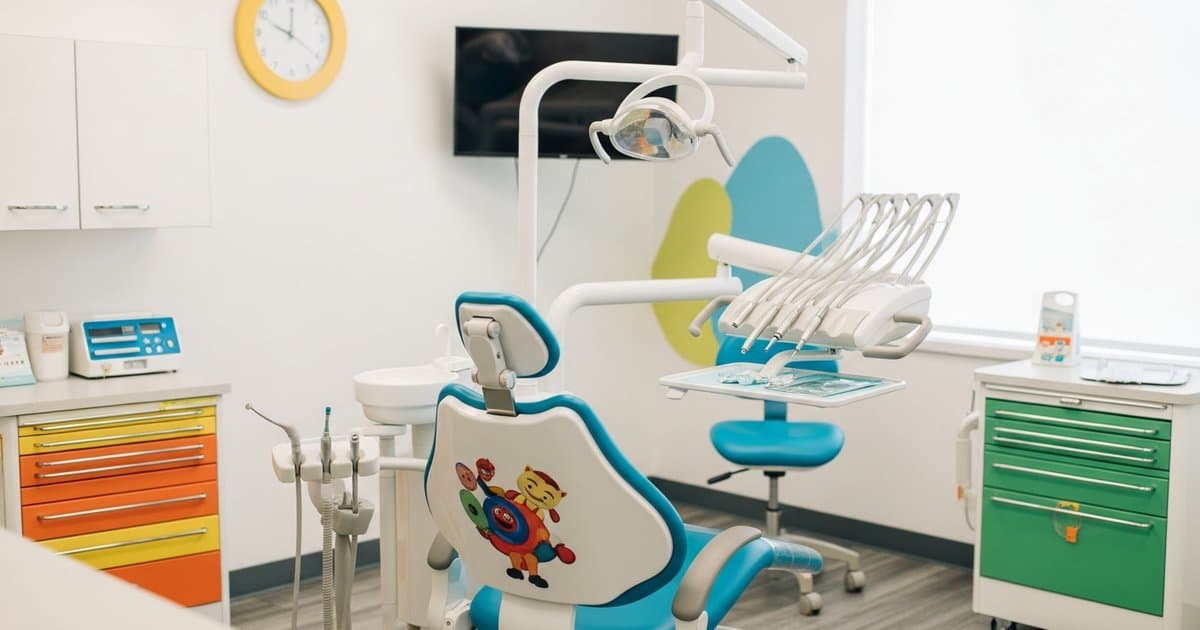
Effective suction systems are the backbone of any successful pediatric dental practice, yet many practice owners struggle to find equipment appropriately sized for their young patients' unique needs. Unlike adult dentistry, pediatric practices must balance powerful suction capabilities with child-friendly designs that minimize discomfort and anxiety while accommodating smaller oral cavities. The right suction system not only enhances treatment efficiency but also contributes significantly to infection control and patient comfort—two critical factors that can make or break your practice's reputation with both children and parents.
Understanding High-Volume vs. Low-Volume Suction in Pediatric Settings
High-volume evacuation (HVE) systems and low-volume suction serve distinctly different purposes in pediatric dentistry, each with specific advantages when properly matched to treatment scenarios and patient age groups.
High-Volume Evacuation Systems are designed to remove large amounts of fluids, debris, and aerosols quickly from the oral cavity. In pediatric practices, these systems typically operate at 100+ cubic feet per minute (CFM) and are essential during restorative procedures, cleanings, and any treatment generating significant spray or debris. However, the challenge lies in finding HVE tips sized appropriately for children's mouths—standard adult tips can be overwhelming for toddlers and may cause gagging or discomfort. Low-Volume Suction Systems operate at much lower CFM rates (typically 5-15 CFM) and are ideal for saliva control during routine examinations, sealant applications, and fluoride treatments. These systems are particularly valuable in pediatric settings because they're less intimidating for anxious children and provide gentle, continuous suction without the loud noise associated with high-volume systems.The key to success in pediatric dentistry is having both systems readily available and choosing child-specific tip designs. Pediatric HVE tips feature smaller diameters (typically 6-8mm compared to 11-16mm for adults) and often include colorful designs or fun shapes that help reduce patient anxiety. Many successful pediatric practices invest in variable-speed HVE systems that allow practitioners to adjust suction power based on the child's comfort level and the specific procedure being performed.
Selecting Pediatric-Appropriate Suction Tips and Accessories
The suction tip selection process for pediatric practices requires careful consideration of both functional effectiveness and child psychology. Standard adult suction tips are not only too large for most pediatric patients but can also appear intimidating and cause unnecessary anxiety.
Size Considerations are paramount when selecting pediatric suction tips. For children under 6 years old, mini HVE tips with 6-7mm openings work best, while children aged 6-12 can typically accommodate 8-9mm tips. Teenagers can usually handle standard adult-sized tips, but many pediatric practices find that maintaining smaller options helps anxious teen patients feel more comfortable. Child-Friendly Designs have proven highly effective in reducing treatment anxiety. Many manufacturers now offer HVE tips in bright colors, with cartoon characters, or featuring fun shapes like animals or stars. While these design elements might seem purely cosmetic, they serve a crucial psychological function by transforming scary-looking dental equipment into something more approachable and less threatening. Material Quality becomes even more critical in pediatric settings where children may bite down on suction tips. Look for tips made from durable, BPA-free materials that can withstand unexpected pressure without breaking or creating sharp edges. Smooth, rounded edges are essential to prevent tissue trauma in the delicate mouths of young patients. Specialty Tips for Specific Procedures can significantly improve treatment outcomes. Orthodontic suction tips with side ports work excellently during bracket placement and adjustment appointments. Surgical tips with beveled edges provide superior access during extractions or other oral surgery procedures. Investing in a comprehensive selection of specialized tips ensures your team can handle any procedure efficiently while maintaining patient comfort.Consider establishing a color-coding system for different tip sizes and types. This not only improves efficiency during procedures but also helps children become familiar with "their" specific tip size, creating a sense of ownership and comfort during return visits.
Infection Control and Maintenance Best Practices
Pediatric dental practices face unique infection control challenges due to their patient population's higher tendency to spread communicable diseases and their often limited understanding of hygiene protocols. Your suction system plays a crucial role in maintaining a safe clinical environment.
Daily Maintenance Protocols should be more rigorous in pediatric practices than in general dental offices. Children are more likely to introduce foreign objects, food particles, and higher bacterial loads into suction systems. Implement a strict end-of-day protocol that includes running enzymatic cleaners through all suction lines, followed by antimicrobial solutions specifically designed for dental suction systems. Suction Line Cleaning requires special attention in pediatric practices. Children's saliva often contains higher concentrations of oral bacteria, and their tendency to "drink" from suction tips can introduce additional contaminants into the system. Use automated suction line cleaners that cycle through lines every 20-30 minutes during active treatment hours. Between patients, always flush lines with appropriate disinfectants and allow proper contact time before seeing the next child. Filter Replacement becomes more critical when treating children, as they're more susceptible to airborne pathogens and their developing respiratory systems are more vulnerable to contamination. Replace suction system filters more frequently than manufacturer minimums—typically every 2-3 weeks instead of monthly in high-volume pediatric practices. Aerosol Management is particularly important in pediatric dentistry, where many procedures generate significant spray and children may have difficulty controlling saliva flow. Your HVE system should effectively capture aerosols within 12 inches of their source. Position HVE tips close to the operative site and maintain continuous suction throughout procedures to minimize aerosol spread. Documentation and Compliance requirements may be more stringent for pediatric practices, especially those treating patients with special healthcare needs or compromised immune systems. Maintain detailed logs of suction system maintenance, filter changes, and any system malfunctions. This documentation proves invaluable during regulatory inspections and helps identify potential issues before they impact patient care.Cost-Effective Equipment Recommendations for Different Practice Sizes
Selecting the right suction equipment requires balancing initial investment costs with long-term operational efficiency and the specific needs of your pediatric patient population and practice size.
Solo and Small Group Practices (1-3 operatories) can achieve excellent results with mid-range central suction systems that provide adequate CFM for multiple simultaneous users. Look for systems offering 3-5 horsepower motors with variable speed controls, which allow adjustment for different procedures and patient comfort levels. The A-dec Inspire and DentalEZ Ramvac series offer excellent pediatric-friendly features at reasonable price points, typically ranging from $8,000-$15,000 installed.For these smaller practices, consider investing in portable HVE units as backup systems. These units, costing $2,000-$4,000, can maintain operations during main system maintenance and provide flexibility for special procedures or operatory configurations.
Medium Practices (4-8 operatories) require more robust central systems with 5-10 horsepower motors and larger separator tanks to handle increased volume. The Cattani Turbo Smart and Metasys Excom series provide excellent reliability and efficiency for medium-sized pediatric practices. Budget $15,000-$30,000 for these systems, but expect significant long-term savings through improved efficiency and reduced maintenance needs.Medium practices should also invest in advanced filtration systems and automated line cleaning equipment. While adding $5,000-$8,000 to initial costs, these features dramatically reduce maintenance time and improve infection control—crucial factors in pediatric practices where contamination risks are higher.
Large Practices and Pediatric Specialty Centers (9+ operatories) need industrial-grade systems with 10+ horsepower motors, multiple separator tanks, and advanced monitoring systems. High-end systems like the Cattani AC300 or DentalEZ Decade series provide the reliability and capacity needed for high-volume pediatric practices. Investment ranges from $30,000-$60,000, but these systems offer superior energy efficiency and lower per-procedure operating costs.Large practices should strongly consider systems with individual operatory controls, allowing different suction levels in each room based on patient needs and procedures being performed. This feature is particularly valuable in pediatric practices where different age groups require different suction approaches.
Essential Accessories for All Practice Sizes include pediatric-specific suction tips ($2-$5 per tip), automated line cleaners ($3,000-$8,000), and backup portable units. Don't overlook the importance of noise reduction accessories—quiet operation is crucial when treating anxious children. Sound dampening enclosures add $1,000-$3,000 to system costs but significantly improve the patient experience.Consider your practice's growth trajectory when selecting equipment. Investing in slightly larger capacity than currently needed often proves cost-effective as practices expand. Most quality suction systems have 15-20 year lifespans, making initial equipment selection crucial for long-term success.
Integration with Other Essential Pediatric Dental Equipment
Modern pediatric dental practices operate as integrated systems where each piece of equipment must work harmoniously with others to create efficient workflows and positive patient experiences. Your suction system's integration capabilities significantly impact overall practice functionality and profitability.
Coordination with Dental Units requires careful planning during practice setup or renovation. Many contemporary dental units designed for pediatric practices include integrated suction controls that allow simultaneous operation of handpieces, air-water syringes, and suction systems. This integration is particularly valuable when treating children, as it reduces the number of separate controls assistants must manage while focusing on patient comfort and anxiety management.When selecting dental units, ensure compatibility with your chosen suction system specifications. Mismatched systems can result in inadequate suction performance or excessive noise levels that frighten young patients. Units from manufacturers like A-dec, Pelton & Crane, and DentalEZ offer pediatric-specific configurations that optimize suction system performance while maintaining child-friendly aesthetics.
Air Compressor Coordination becomes critical in pediatric practices where multiple operatories may simultaneously use high-demand equipment. Your suction system's air requirements must be factored into overall compressed air capacity planning. Inadequate air supply can result in reduced suction performance during busy periods, potentially compromising treatment quality and patient safety. Integration with Handpiece Systems plays a crucial role in aerosol management during pediatric procedures. High-speed handpieces generate significant spray that must be effectively captured by properly positioned HVE systems. When reviewing Pediatric Dental Handpieces: What You Need to Know, consider how different handpiece designs affect suction positioning and effectiveness.Electric handpieces, while often preferred for their quieter operation and improved torque control in pediatric applications, may require different suction strategies compared to traditional air-driven units. Plan your suction system capabilities accordingly to accommodate various handpiece technologies your practice may adopt.
Workflow Optimization through equipment integration significantly impacts practice efficiency and profitability. Position suction controls within easy reach of both doctor and assistant positions, allowing seamless operation during four-handed dentistry techniques. This positioning becomes even more critical in pediatric practices where maintaining continuous patient engagement and comfort requires smooth, uninterrupted procedures.Consider investing in wireless suction control systems that allow assistants to adjust suction levels without reaching across patients or interrupting procedures. While adding $2,000-$5,000 to system costs, these controls dramatically improve workflow efficiency and reduce patient anxiety by minimizing staff movement and procedure interruptions.
Technology Integration with practice management systems and digital records can provide valuable insights into equipment utilization and maintenance needs. Modern suction systems offer monitoring capabilities that track usage patterns, identify maintenance needs, and alert staff to potential issues before they impact patient care.This integration proves particularly valuable in pediatric practices where equipment downtime can result in canceled appointments, disappointed children, and frustrated parents. Proactive maintenance scheduling based on actual usage data rather than arbitrary time intervals improves system reliability while controlling maintenance costs.
When planning your equipment integration strategy, consider how each component contributes to your practice's overall patient experience goals. In pediatric dentistry, where patient comfort and anxiety management are paramount, seamless equipment operation allows staff to focus on patient interaction rather than troubleshooting technical issues. This focus directly translates to improved patient satisfaction, better treatment outcomes, and increased practice profitability.
How TGP Can Help
The Group Practice (TGP) understands that pediatric dental practices face unique challenges when selecting and purchasing specialized suction equipment and accessories. As a group purchasing organization specifically designed for dental practices, TGP leverages collective buying power to help pediatric practice owners save 20-30% on essential suction system components and supplies.
Our negotiated contracts with leading manufacturers like A-dec, Cattani, DentalEZ, and Metasys ensure you receive the same high-quality equipment at significantly reduced prices. TGP members gain access to pediatric-specific suction tips, specialized filters, maintenance supplies, and replacement parts at wholesale pricing levels typically available only to large dental service organizations.
Beyond cost savings, TGP provides expert guidance in equipment selection and integration planning. Our team understands the unique requirements of pediatric practices and can help you choose suction systems that balance performance, child-friendliness, and long-term value. We also offer exclusive access to training programs that help your staff maximize equipment efficiency while maintaining optimal infection control standards.
TGP's streamlined ordering process eliminates the complexity of managing multiple vendor relationships, allowing you to focus on patient care while ensuring your practice always has the supplies needed for smooth operations. Our automated reordering systems prevent stockouts of essential items like pediatric suction tips and filters, while our consolidated billing simplifies practice administration.
Key Takeaways
• Size matters in pediatric suction: Standard adult suction tips are inappropriate for children; invest in age-appropriate sizes (6-7mm for under 6 years, 8-9mm for ages 6-12)
• Child-friendly designs reduce anxiety: Colorful tips and fun shapes transform intimidating equipment into approachable tools that help children feel more comfortable
• Both HVE and low-volume systems are essential: High-volume evacuation for procedures, low-volume for examinations and less invasive treatments
• Enhanced infection control is critical: Pediatric practices require more frequent line cleaning, filter changes, and rigorous maintenance protocols due to higher contamination risks
• Integration planning maximizes efficiency: Coordinate suction systems with dental units, handpieces, and air compressors for optimal performance and workflow
• Variable speed capabilities improve patient comfort: Systems that allow suction power adjustment help manage patient anxiety while maintaining treatment effectiveness
• Investment should match practice size and growth plans: Choose equipment with appropriate capacity for current needs while considering future expansion
• Noise reduction features are worth the investment: Quiet operation significantly improves the patient experience for anxiety-prone children
• Specialized accessories enhance treatment outcomes: Invest in orthodontic tips, surgical tips, and procedure-specific accessories for comprehensive treatment capabilities
• Proper staff training maximizes equipment value: Ensure team members understand optimal positioning, maintenance procedures, and troubleshooting techniques
FAQ
What size suction tips should I use for different age groups in my pediatric practice?
For children under 6 years old, use mini HVE tips with 6-7mm openings to accommodate their smaller oral cavities and reduce discomfort. Children aged 6-12 can typically handle 8-9mm tips comfortably, while teenagers can usually accommodate standard adult-sized tips (11-16mm). However, many pediatric practices find that maintaining smaller tip options helps anxious patients of all ages feel more comfortable. Always prioritize patient comfort over maximum suction efficiency—a slightly smaller tip that keeps the child calm is more effective than a larger tip that causes distress and non-cooperation.
How often should I clean and maintain suction lines in a pediatric practice compared to a general dental office?
Pediatric practices should implement more rigorous maintenance schedules due to higher contamination risks. Run enzymatic cleaners through suction lines at the end of each day, followed by antimicrobial solutions designed for dental suction systems. Between patients, always flush lines with appropriate disinfectants and use automated suction line cleaners that cycle every 20-30 minutes during treatment hours. Replace filters every 2-3 weeks instead of the standard monthly schedule, as children's higher bacterial loads and tendency to introduce foreign materials into suction systems require more frequent maintenance to ensure optimal performance and infection control.
Should I invest in variable-speed suction systems for my pediatric practice?
Yes, variable-speed suction systems are highly recommended for pediatric practices. These systems allow you to adjust suction power based on the child's comfort level, age, and the specific procedure being performed. Lower settings work well for anxious children during routine cleanings and examinations, while higher settings provide necessary evacuation during restorative procedures. The ability to gradually increase suction power as children become more comfortable helps build trust and reduces anxiety during treatment. While variable-speed systems cost $2,000-$5,000 more than standard units, the improved patient experience and treatment flexibility make them valuable investments for pediatric practices.