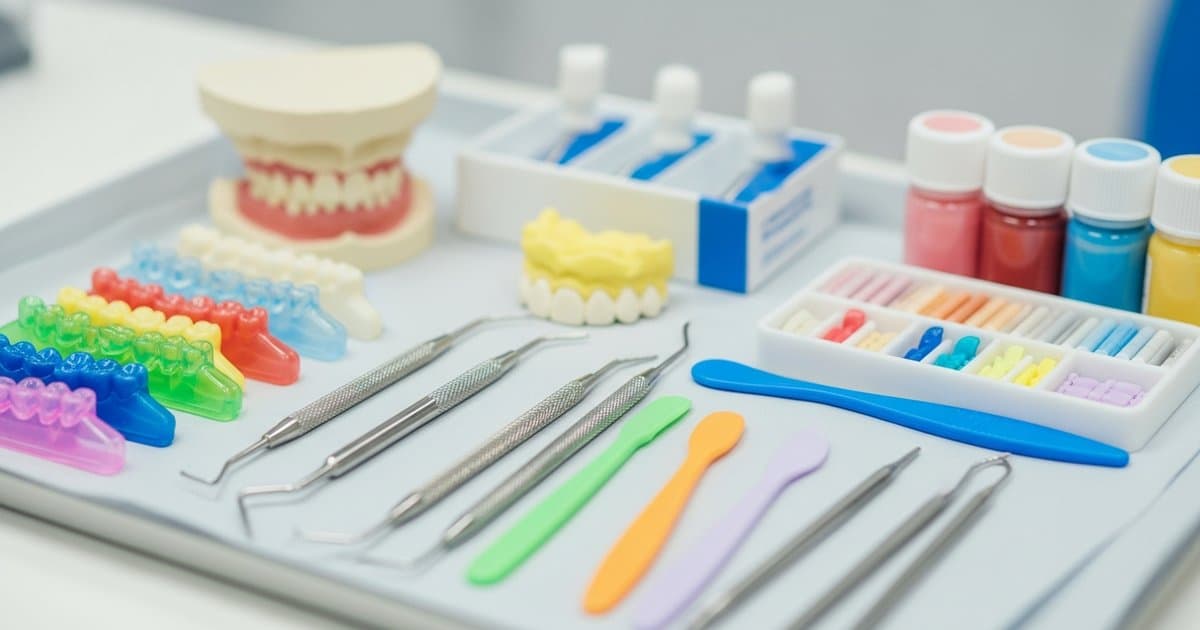
Restoring damaged primary anterior teeth requires a delicate balance between functionality, aesthetics, and child-friendly treatment approaches. Strip crowns, also known as celluloid crowns or clear crowns, have emerged as the gold standard for anterior primary tooth restoration when preserving natural tooth appearance is paramount. Unlike their posterior counterparts, anterior restorations must meet higher aesthetic demands while accommodating the unique challenges of pediatric dentistry, including patient cooperation, limited working space, and the temporary nature of primary teeth.
Understanding Strip Crown Applications and Benefits
Strip crowns represent a sophisticated approach to pediatric anterior tooth restoration, particularly valuable when extensive tooth structure has been compromised by caries, trauma, or developmental defects. These clear, anatomically-shaped forms serve as templates for composite resin restoration, allowing clinicians to recreate natural tooth contours with superior aesthetics compared to traditional stainless steel crowns.
The primary advantage of strip crowns lies in their ability to maintain the natural appearance of primary teeth, which is crucial for a child's psychological development and social confidence. Children as young as three years old begin to show awareness of their appearance, making aesthetic considerations increasingly important in treatment planning. Strip crowns provide excellent color matching with adjacent teeth, eliminate the metallic appearance that parents often find concerning, and can be easily monitored radiographically without metal interference.
Clinical indications for strip crowns include extensive proximal caries affecting multiple surfaces, cervical caries extending subgingivally, post-pulpotomy restoration where significant tooth structure remains, traumatic injuries resulting in crown fractures, and developmental defects such as hypoplasia or hypocalcification. The technique proves particularly valuable in cases where enamel defects compromise bonding for traditional composite restorations but sufficient tooth structure exists to support a crown form.
Success with strip crowns depends heavily on proper case selection. Ideal candidates include cooperative patients with adequate tooth structure for retention, sufficient interocclusal space, and healthy or appropriately treated pulpal tissues. The technique requires more chair time than stainless steel crown placement, making patient cooperation essential for optimal outcomes.
Material Selection and Product Recommendations
The foundation of successful strip crown restoration lies in selecting appropriate materials that accommodate the unique requirements of pediatric dentistry. Modern composite resins designed specifically for pediatric applications offer improved handling characteristics, enhanced wear resistance, and simplified polishing protocols compared to traditional adult formulations.
For composite resin selection, flowable composites work exceptionally well with strip crown techniques due to their superior adaptation to crown forms and reduced void formation. Products like 3M Filtek Supreme Ultra Flowable or Kerr SonicFill provide excellent aesthetics while maintaining adequate strength for primary tooth function. These materials offer simplified shade matching, often requiring only A2 or A3 shades for most pediatric cases, reducing inventory complexity for practice management.
When selecting strip crown forms, consider manufacturers offering pediatric-specific sizing and anatomical considerations. Whip Mix Strip Crowns and Ion Strip Crowns provide comprehensive size ranges specifically designed for primary anterior teeth, with appropriate cervical diameter and crown height proportions. These forms feature tear-resistant construction that withstands the placement pressures required for complete composite adaptation.
The choice of bonding systems significantly impacts restoration longevity and technique sensitivity. Self-etch adhesive systems like 3M ScotchBond Universal or Kerr OptiBond eXTRa reduce technique sensitivity while providing reliable bond strengths to primary tooth structure. These systems minimize moisture sensitivity concerns common in pediatric dentistry while maintaining adequate bond strength for strip crown applications.
For practices seeking to expand their pediatric composite capabilities, exploring comprehensive material systems can provide consistency across procedures. The connection between anterior strip crown materials and broader Pediatric Composite Materials: Choosing the Right Resin selection becomes particularly relevant when establishing standardized protocols that improve efficiency and predictability.
Step-by-Step Technique Protocol
Successful strip crown placement requires meticulous attention to technique details, particularly given the challenges inherent in pediatric dentistry. The following protocol has been refined through extensive clinical application and addresses common complications encountered in pediatric patients.
Preparation Phase: Begin with appropriate behavior management and local anesthesia administration. Remove all carious tissue and existing restorative materials, ensuring complete caries excavation while preserving maximum sound tooth structure. Crown preparation should focus on smoothing rough surfaces and removing undermined enamel rather than aggressive reduction. Create a slight chamfer margin when possible, though butt-joint margins are acceptable when tooth structure is limited. Crown Selection and Fitting: Select the appropriate strip crown size by measuring the mesiodistal width of the contralateral tooth or using pre-extraction measurements when available. The crown form should extend approximately 1mm beyond the prepared margin circumferentially. Trim the crown length to extend 1-2mm beyond the gingival margin, allowing for proper seating without impingement. Test fit the crown to ensure complete seating without binding or premature contact. Composite Placement and Curing: Apply the selected bonding system according to manufacturer instructions, paying particular attention to moisture control. Fill the crown form completely with composite resin, avoiding air incorporation that leads to voids. Seat the crown firmly with sustained pressure, expressing excess material through the lingual access. Light cure according to material specifications, typically 20-40 seconds from facial and lingual aspects. Finishing Procedures: Carefully remove the strip crown form using a sharp scaler or crown-removing pliers, avoiding damage to the composite surface. Contour proximal contacts using finishing diamonds and discs, ensuring appropriate contact strength with adjacent teeth. Polish all surfaces using sequential grits of finishing discs, followed by polishing paste application for optimal surface smoothness. Critical Success Factors: Maintain absolute moisture control throughout the procedure, as contamination significantly compromises bond strength. Ensure complete composite cure by using adequate light intensity and appropriate curing times. Pay special attention to margin finishing, as rough or overextended margins contribute to plaque accumulation and gingival inflammation.Managing Pediatric-Specific Challenges
Working with pediatric patients during strip crown procedures presents unique challenges requiring specialized approaches and modified techniques. Understanding these challenges and implementing appropriate solutions significantly improves treatment outcomes and patient experiences.
Time Management Considerations: Strip crown procedures typically require 30-45 minutes of chair time, substantially longer than stainless steel crown placement. This extended time requirement necessitates careful patient selection, with emphasis on cooperation assessment during initial examination. Consider scheduling these procedures during optimal cooperation periods, typically mid-morning appointments when children are alert but not fatigued.For less cooperative patients, implementing tell-show-do techniques specific to strip crown procedures helps build confidence. Demonstrate the clear crown form, explain how it will make their tooth "beautiful and strong," and involve parents in positive reinforcement. Some practices find success using timer games, allowing children to "help" by counting during curing phases.
Moisture Control Strategies: Achieving adequate moisture control in pediatric patients often proves challenging due to tongue size, limited mouth opening, and cooperation factors. Rubber dam isolation provides optimal moisture control when tolerated, but alternative approaches may be necessary. High-volume evacuation combined with cotton roll isolation and gauze throat screens often provides acceptable moisture control while improving patient comfort.Consider the use of dental assistants trained specifically in pediatric moisture control techniques. Four-handed dentistry becomes particularly valuable during strip crown procedures, allowing the operator to focus on technique while the assistant manages isolation and patient comfort simultaneously.
Adaptation for Special Needs Patients: Children with special healthcare needs may require modified approaches to strip crown treatment. Consider shorter appointment segments with multiple visits for complex cases, pre-appointment desensitization visits, and coordination with medical providers regarding sedation options when appropriate.The relationship between anterior aesthetic procedures and overall treatment planning becomes particularly important in comprehensive pediatric care. Understanding how strip crown placement integrates with other common procedures, such as those detailed in Stainless Steel Crowns in Pediatric Dentistry: A Complete Guide, helps establish comprehensive treatment protocols that maximize efficiency while minimizing patient stress.
Long-term Success and Maintenance
Strip crown longevity depends on multiple factors including material selection, technique execution, patient oral hygiene, and appropriate follow-up care. Understanding these factors and implementing supportive strategies significantly improves restoration success rates and patient satisfaction.
Expected Longevity: Well-executed strip crowns typically function successfully until natural exfoliation of primary teeth. Clinical studies indicate 85-95% success rates at two years when proper technique and case selection criteria are followed. Failure modes typically include marginal deterioration, secondary caries, or restoration fracture, with early failures usually attributed to technique errors or inappropriate case selection. Patient Education and Home Care: Success depends heavily on patient and parent education regarding proper home care. Emphasize the importance of fluoride exposure, appropriate dietary counseling, and regular professional maintenance. Parents should understand that strip crowns require the same care as natural teeth, including regular brushing, flossing when appropriate, and professional cleanings.Provide specific instructions regarding foods to avoid, particularly hard or sticky items that may damage restorations. However, emphasize that properly executed strip crowns should withstand normal primary tooth function, including age-appropriate dietary choices.
Professional Maintenance Requirements: Schedule regular recall appointments every three to six months, depending on caries risk assessment and restoration performance. During recall visits, evaluate marginal integrity, surface smoothness, and gingival health around restoration margins. Polish restorations as needed to maintain surface smoothness and aesthetic appearance.Monitor for signs of restoration failure including marginal discoloration, surface roughness, or patient complaints of sensitivity. Early intervention for minor margin defects often prevents restoration replacement, making regular monitoring particularly valuable.
Integration with Practice Management: Successful strip crown programs require appropriate fee structuring that reflects the increased time, skill, and material costs compared to alternative treatments. Many practices find that positioning strip crowns as premium aesthetic options helps parents understand value while supporting practice profitability.How TGP Can Help
Implementing a successful strip crown program requires significant investment in specialized materials and ongoing supply management that can strain practice budgets and inventory systems. The Group Practice (TGP) addresses these challenges through our specialized group purchasing organization designed specifically for pediatric dental practices.
TGP members consistently save 20-30% on strip crown supplies, including composite resins, bonding systems, and crown forms, through our negotiated contracts with leading manufacturers. These savings prove particularly valuable given the higher material costs associated with premium composite systems and the variety of crown forms required to serve diverse patient populations effectively.
Our pediatric dental supply specialists understand the unique inventory challenges strip crown programs present, helping practices optimize product selection while minimizing waste from expired materials. TGP's quarterly supply planning consultations help practices forecast material needs based on case volume trends, ensuring adequate supplies while avoiding overstock situations that impact cash flow.
Beyond cost savings, TGP provides access to exclusive training programs focused on pediatric aesthetic procedures, including hands-on strip crown workshops and online continuing education modules. Our clinical advisory panel, composed of experienced pediatric dentists, regularly evaluates new products and techniques, providing members with evidence-based recommendations for practice integration.
TGP's comprehensive support extends to practice management guidance for aesthetic procedure implementation, including fee structuring recommendations, patient communication strategies, and marketing support for promoting enhanced aesthetic services to existing patient populations.
Key Takeaways
• Strip crowns provide superior aesthetics for primary anterior tooth restoration while maintaining excellent functional outcomes through natural exfoliation
• Success requires careful case selection emphasizing adequate tooth structure, patient cooperation, and appropriate clinical indications
• Material selection should prioritize pediatric-specific composite formulations with simplified shade matching and enhanced handling characteristics
• Technique execution demands meticulous moisture control, complete composite curing, and careful finishing procedures for optimal longevity
• Extended chair time requirements necessitate appropriate patient scheduling and behavior management strategies
• Regular maintenance and patient education significantly impact restoration success rates and overall treatment satisfaction
• Cost management through group purchasing organizations helps practices implement strip crown programs while maintaining profitability
• Integration with comprehensive pediatric treatment planning maximizes efficiency and treatment acceptance
Frequently Asked Questions
What age range is most appropriate for strip crown treatment?
Strip crowns work best for children ages 3-7 years, depending on individual tooth eruption patterns and cooperation levels. The ideal candidates have sufficient tooth structure remaining for retention and demonstrate adequate cooperation for the 30-45 minute procedure time. Very young children (under 3) may require sedation or alternative treatment approaches, while older children approaching natural exfoliation may be better served with interim treatments. Consider individual maturity levels and previous dental experience when making treatment recommendations, as cooperation significantly impacts success rates.
How do strip crowns compare cost-effectively to alternative treatments?
While strip crowns require higher initial material costs and longer chair time compared to stainless steel crowns, they eliminate the need for future replacement due to parental aesthetic concerns and provide superior longevity compared to large composite restorations. The investment in quality materials and technique typically results in restorations lasting until natural exfoliation, avoiding retreat costs. Many practices find that positioning strip crowns as premium aesthetic options allows appropriate fee structuring while providing parents with clear value understanding.
What are the most common complications and how can they be prevented?
Common complications include marginal gaps due to incomplete crown seating, void formation from inadequate composite adaptation, and premature failure from moisture contamination during placement. Prevention strategies include careful crown selection and trimming, complete composite filling of crown forms, sustained seating pressure during placement, and absolute moisture control throughout the procedure. Regular recall monitoring helps identify early margin deterioration, allowing intervention before complete restoration failure occurs.