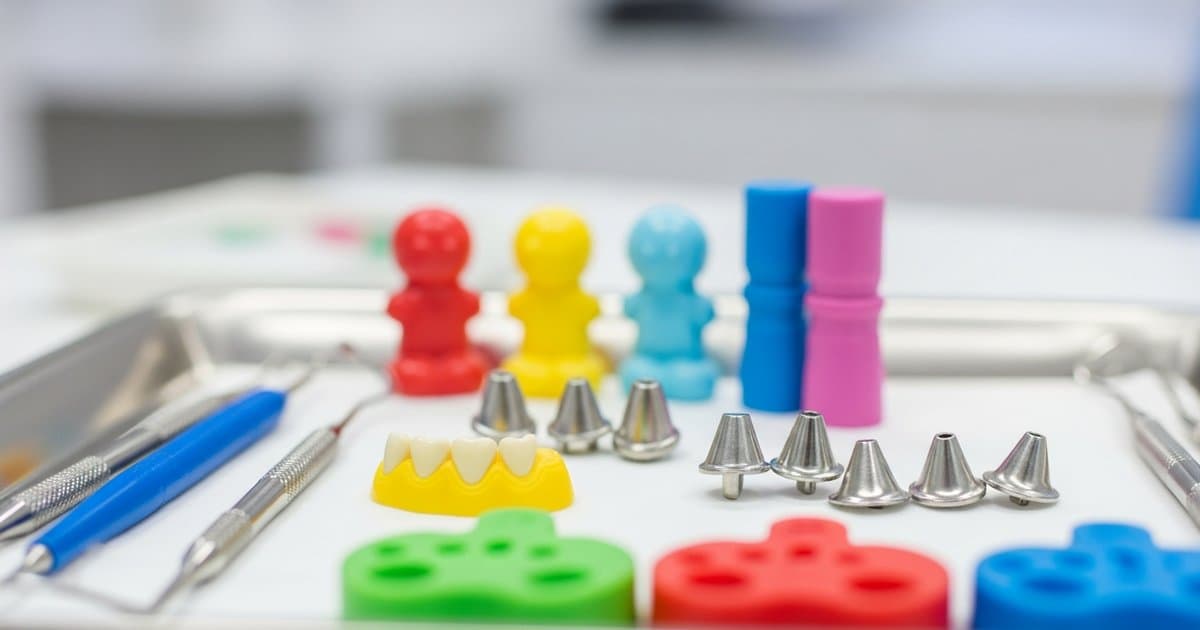
Stainless steel crowns (SSCs) represent one of the most reliable and cost-effective restorative solutions in pediatric dentistry, providing durable protection for severely damaged primary teeth. As a pediatric dental practice owner, understanding the nuances of SSC selection, sizing, and placement techniques directly impacts both clinical outcomes and practice profitability. These preformed crowns offer exceptional longevity, require minimal tooth preparation, and provide predictable results that keep young patients comfortable while maintaining proper oral function until natural exfoliation occurs.
Types of Stainless Steel Crowns for Pediatric Applications
Traditional Crimped Stainless Steel Crowns
Traditional SSCs remain the gold standard for posterior primary tooth restoration, featuring a malleable design that allows for chairside customization. These crowns require crimping and contouring to achieve proper fit and marginal adaptation. Popular brands include 3M ESPE, Nu-Smile, and Hu-Friedy, each offering distinct advantages in terms of crown height, contour, and metal composition.
The primary benefit of traditional SSCs lies in their adaptability. Practitioners can modify crown contours, adjust cervical margins, and create proper interproximal contacts through careful crimping and polishing. This flexibility proves especially valuable when working with atypical tooth morphology or challenging clinical situations commonly encountered in pediatric patients.
Pre-Crimped (Festooned) Stainless Steel Crowns
Pre-crimped SSCs offer enhanced marginal adaptation straight from the package, featuring scalloped cervical margins that closely follow natural gingival contours. Brands like 3M ESPE Stainless Steel Crowns and Premier Dental's Kinder Krowns provide excellent options in this category, reducing chairside adjustment time while improving clinical outcomes.
These crowns particularly excel in practices with high patient volume, as they significantly reduce placement time and technical sensitivity. The pre-formed festooning eliminates much of the crimping work traditionally required, making them ideal for less experienced practitioners or when working with particularly anxious pediatric patients who benefit from shorter appointment times.
Aesthetic Stainless Steel Crown Options
While traditional SSCs provide excellent durability, aesthetic concerns from parents have driven innovation in crown design. White-faced SSCs, such as Nu-Smile ZR crowns and EZ Pedo crowns, feature tooth-colored facings that provide improved aesthetics while maintaining the strength characteristics of stainless steel.
These hybrid options work particularly well for first primary molars, which may be visible during smiling or speaking. However, practice owners should consider the increased cost and potential for facing material chipping when evaluating these options for their patient population.
Crown Sizing and Selection Protocols
Accurate Measurement Techniques
Proper crown sizing begins with precise measurement of the prepared tooth. Use crown and bridge calipers or periodontal probes to measure mesiodistal width at the greatest dimension, typically at the contact areas. For primary molars, measurements should be taken at the cervical line, mid-crown, and occlusal dimensions to ensure comprehensive size assessment.
Digital measurement tools, integrated with modern Setting Up a Pediatric Dental Lab: Equipment Essentials, can improve accuracy and documentation. Practice owners investing in digital workflows often find that consistent measurement protocols reduce crown inventory waste and improve predictable fitting.
Size Selection Guidelines by Tooth Type
Primary molar crown sizing follows predictable patterns, though individual variation requires careful attention. First primary molars typically require sizes 2-4, while second primary molars generally need sizes 4-6. Manufacturers provide sizing charts, but clinical experience demonstrates that most pediatric patients fall within narrow size ranges, allowing practices to optimize inventory management.
When selecting crown size, choose the smallest crown that completely covers the prepared tooth structure without binding interproximally. A properly sized crown should seat completely without blanching surrounding tissues or creating excessive pressure on adjacent teeth. If sizing falls between two options, select the smaller crown and adjust margins as needed.
Managing Size Variations and Special Cases
Pediatric patients present unique sizing challenges due to developmental variations, extensive caries patterns, and individual tooth morphology differences. Practices should maintain adequate inventory of adjacent sizes to accommodate these variations without delaying treatment.
Special consideration applies to patients with developmental disabilities, medical conditions affecting tooth development, or those requiring full-mouth rehabilitation. These cases often benefit from treatment planning that considers crown sizing across multiple teeth simultaneously, ensuring proper occlusal relationships and interproximal contacts.
Advanced Placement Techniques for Pediatric Patients
Tooth Preparation Principles
Minimal tooth preparation represents a key advantage of SSC placement, particularly important when working with pediatric patients. Remove all carious tooth structure and unsupported enamel, then reduce occlusal surfaces by 1-2mm to accommodate crown thickness. Avoid creating sharp line angles or over-reduction, which can compromise crown retention.
Cervical preparation should follow the gingival margin contour, removing approximately 0.5mm of tooth structure circumferentially. This conservative approach preserves maximum tooth structure while ensuring adequate crown margin extension for proper seal and retention. Consider using rotary instruments specifically designed for primary teeth to optimize preparation efficiency and patient comfort.
Isolation and Moisture Control Strategies
Effective isolation proves critical for SSC success, particularly given the challenges of pediatric patient management. Rubber dam isolation provides optimal moisture control and tissue protection, though some pediatric patients may not tolerate rubber dam placement. In these cases, consider alternative isolation methods such as high-volume evacuation, cotton roll isolation, or specialized pediatric isolation devices.
The Isolite system offers excellent isolation for pediatric SSC placement, providing simultaneous suction, cheek retraction, and tongue control. This technology particularly benefits practices treating high volumes of pediatric patients, as it reduces treatment time while improving clinical outcomes through consistent moisture control.
Crown Cementation and Finishing
Glass ionomer cement remains the preferred luting agent for pediatric SSCs, providing fluoride release, chemical bonding to tooth structure, and biocompatibility with developing oral tissues. Products like GC Fuji I or 3M Ketac Cem offer excellent retention and clinical performance while remaining forgiving during placement procedures.
Apply cement to crown interior, ensuring complete coverage without excess that could interfere with seating. Seat the crown with firm, steady pressure, removing excess cement immediately with appropriate instruments. Use dental floss to clear interproximal cement before initial set occurs, preventing gingival irritation and maintaining proper tissue health.
Cost Analysis and Insurance Considerations
Direct Cost Components
SSC treatment costs include multiple components that practice owners must consider when establishing fee structures. Crown costs typically range from $8-25 per unit, depending on type and manufacturer. Traditional SSCs represent the most economical option, while aesthetic variants command premium pricing that should be reflected in patient fees.
Additional direct costs include cement, local anesthetic, disposable supplies, and laboratory time for any required adjustments. Practices should calculate true per-procedure costs including these ancillary materials to ensure appropriate profit margins while remaining competitive in their local market.
Insurance Reimbursement Patterns
Most dental insurance plans provide coverage for pediatric SSCs, recognizing them as necessary treatment for severely compromised primary teeth. Typical reimbursement ranges from 50-80% of customary fees, though coverage varies significantly between plans and geographic regions.
Understanding local insurance patterns helps practices optimize treatment planning and financial arrangements. Some practices find success in pre-authorization protocols for extensive pediatric cases, ensuring coverage clarity before treatment initiation and reducing collection challenges.
Long-term Value Considerations
While SSCs require higher initial investment compared to amalgam or composite restorations, their longevity and success rates provide superior long-term value for patients and practices. SSCs typically remain functional until natural tooth exfoliation, eliminating the need for replacement or repair commonly required with other restorative materials.
This durability reduces emergency appointments, improves patient satisfaction, and enhances practice efficiency. When counseling parents about treatment options, emphasizing long-term value helps justify SSC fees while positioning the practice as focused on optimal patient care rather than least expensive treatment.
How TGP Can Help
The Graser Partnership (TGP) addresses one of the most significant challenges facing pediatric dental practices: managing supply costs while maintaining high-quality patient care. Through our specialized group purchasing organization designed specifically for dental practices, we help pediatric dentists save 20-30% on stainless steel crowns and related restorative supplies.
Our purchasing power enables practices to access premium SSC brands like 3M ESPE, Nu-Smile, and Hu-Friedy at significantly reduced costs, improving profit margins while maintaining clinical excellence. TGP members benefit from streamlined ordering processes, predictable pricing, and access to the latest innovations in pediatric restorative materials without the financial barriers that often limit smaller practices.
Beyond cost savings, TGP provides valuable inventory management support, helping practices optimize crown sizing inventory based on patient demographics and clinical patterns. Our team works directly with pediatric practice owners to develop customized supply strategies that reduce waste while ensuring appropriate product availability for all clinical situations.
For practices considering aesthetic SSC options or expanding their pediatric restorative capabilities, TGP's negotiated pricing makes advanced materials more accessible, enabling practices to offer comprehensive treatment options without compromising profitability. This support proves particularly valuable when transitioning to new crown systems or implementing digital workflow integration with Strip Crowns for Pediatric Anterior Teeth protocols.
Key Takeaways
• Traditional stainless steel crowns provide the most versatile and cost-effective solution for posterior primary tooth restoration, with pre-crimped options offering time-saving benefits for high-volume practices
• Accurate crown sizing requires systematic measurement protocols and adequate inventory management of adjacent sizes to accommodate individual patient variations
• Minimal tooth preparation techniques preserve maximum tooth structure while ensuring proper crown retention and marginal seal
• Glass ionomer cement remains the optimal luting agent for pediatric SSCs, providing biocompatibility, fluoride release, and reliable retention
• Cost analysis should include all direct materials and indirect factors, with insurance reimbursement patterns varying significantly by region and plan type
• Long-term value considerations favor SSCs over alternative restorative materials due to superior durability and reduced need for replacement
• Group purchasing organizations like TGP can reduce supply costs by 20-30%, improving practice profitability while maintaining clinical quality
• Aesthetic SSC options address parental concerns about appearance but require careful cost-benefit analysis for each practice's patient population
Frequently Asked Questions
What factors determine the appropriate crown size for primary molars?
Crown size selection depends primarily on the mesiodistal width of the prepared tooth, measured at the cervical line and contact areas. The selected crown should be the smallest size that completely covers all prepared tooth structure without binding against adjacent teeth. Most primary first molars require sizes 2-4, while second primary molars typically need sizes 4-6. However, individual variation and extensive caries patterns may require different sizing, making it essential to maintain inventory of adjacent sizes. Clinical experience and systematic measurement protocols improve sizing accuracy while reducing inventory waste and chairside adjustment time.
How do aesthetic stainless steel crowns compare to traditional options in terms of clinical performance and cost?
Aesthetic SSCs, such as white-faced crowns, provide improved appearance compared to traditional stainless steel while maintaining similar strength and durability characteristics. However, they typically cost 2-3 times more than traditional SSCs and may experience facing material chipping or debonding over time. Clinical performance remains excellent for the stainless steel base, but the aesthetic facing may require replacement in some cases. These crowns work well for visible teeth like first primary molars, but practices should carefully evaluate whether the improved aesthetics justify the additional cost based on their patient population's preferences and ability to pay premium fees.
What are the most common complications during pediatric SSC placement and how can they be prevented?
The most frequent complications include crown loosening due to inadequate retention, gingival irritation from excess cement, and improper occlusion from incorrect sizing or seating. Prevention strategies include ensuring adequate tooth preparation with proper retention form, using glass ionomer cement with appropriate working time, and thorough cement removal before initial set. Proper isolation and moisture control prevent contamination that can compromise cement bond strength. Additionally, systematic crown sizing protocols and careful occlusal adjustment reduce the risk of premature contacts or interference patterns that could cause patient discomfort or crown failure.