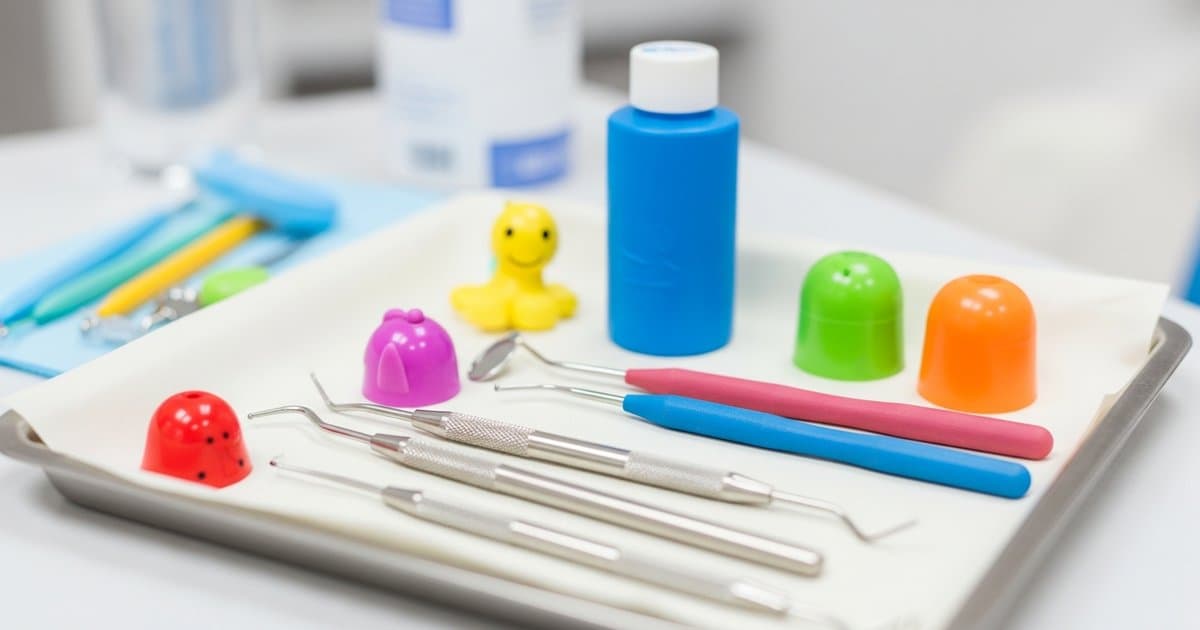
Silver Diamine Fluoride (SDF) has revolutionized pediatric dentistry by offering a minimally invasive, cost-effective solution for managing dental caries in children. This topical medication combines the antimicrobial properties of silver with the remineralization benefits of fluoride, making it an invaluable tool for pediatric dental practices. As more practitioners incorporate SDF into their treatment protocols, understanding proper application techniques, managing patient expectations, and optimizing supply procurement becomes essential for successful implementation and practice growth.
Understanding Silver Diamine Fluoride: Mechanism and Benefits
Silver Diamine Fluoride is a 38% concentration solution that works through multiple mechanisms to arrest dental caries. The silver ions provide potent antimicrobial action against cariogenic bacteria, while the fluoride component promotes remineralization of affected tooth structure. This dual-action approach makes SDF particularly effective in pediatric patients where traditional restorative procedures may be challenging or contraindicated.
The primary benefits of SDF in pediatric dentistry include its non-invasive nature, immediate application capability, and cost-effectiveness. Unlike traditional restorative procedures that often require local anesthesia and extensive chair time, SDF application takes mere minutes and causes minimal patient discomfort. This makes it ideal for young children, patients with special needs, or those experiencing dental anxiety.
Clinical studies demonstrate SDF's effectiveness in arresting caries progression, with success rates ranging from 60-80% for primary teeth. The treatment's simplicity allows for application during routine preventive visits, making it an excellent complement to existing preventive dentistry supplies for pediatric practices. Additionally, SDF can serve as an interim treatment solution while planning more comprehensive care or as a definitive treatment for certain clinical situations.
The antimicrobial properties of SDF extend beyond caries arrest, as the silver component continues to provide antibacterial effects over time. This sustained action helps prevent secondary caries and supports overall oral health maintenance in pediatric patients who may struggle with optimal oral hygiene practices.
Clinical Indications and Patient Selection
Proper patient selection is crucial for SDF success and parent satisfaction. Primary indications include active caries in primary teeth, particularly in patients where traditional restorative treatment is not immediately feasible. SDF works exceptionally well for cavitated lesions on smooth surfaces, root caries, and areas where conventional restoration would be technically challenging.
Ideal candidates for SDF treatment include very young children (ages 2-5) who may not cooperate for traditional restorative procedures, patients with special healthcare needs, and situations where immediate caries arrest is needed before comprehensive treatment planning. SDF also serves as an excellent option for managing caries in patients with high caries risk or those experiencing medical conditions that contraindicate more invasive procedures.
Contraindications include known allergies to silver, ulcerative gingivitis or stomatitis, and situations where esthetic concerns outweigh clinical benefits. While the black staining that occurs with SDF application is often a concern, proper patient selection and parent education can minimize dissatisfaction. For anterior teeth or highly visible areas, practitioners should carefully weigh esthetic considerations against clinical benefits.
The treatment is particularly valuable in community health settings, school-based programs, and practices serving underserved populations where access to comprehensive restorative care may be limited. SDF's simplicity and effectiveness make it an excellent tool for expanding access to dental care while providing meaningful clinical outcomes.
Consider integrating SDF protocols with existing fluoride treatment programs, as the combination with fluoride varnish application can provide enhanced preventive benefits and improved patient outcomes.
Essential Supplies and Application Protocol
Successful SDF implementation requires specific supplies and a standardized application protocol. Essential materials include SDF solution (typically Advantage Arrest or Riva Star), microbrushes or small applicator tips, gauze for isolation, petroleum jelly or protective barrier, and appropriate personal protective equipment including gloves and eyewear.
The application protocol begins with thorough case documentation and photography, as the visual changes following SDF application are immediate and permanent. Clean the tooth surface gently, removing loose debris without aggressive excavation. Apply petroleum jelly to surrounding soft tissues to prevent inadvertent staining, though SDF typically doesn't stain healthy tissue.
Using a microbrush, apply SDF solution directly to the carious lesion, ensuring complete coverage of affected areas. The application should be generous enough to thoroughly wet the lesion but controlled to prevent excess solution from contacting unintended areas. Allow the solution to remain in contact with the tooth for at least one minute, though some protocols recommend up to two minutes for maximum effectiveness.
Following application, gently air dry the area and remove any excess solution with gauze. Instruct the patient and parent to avoid eating or drinking for at least one hour post-application to maximize treatment effectiveness. The treated area will typically darken within 24-48 hours, indicating successful silver uptake by the carious tissue.
Proper storage of SDF is crucial for maintaining potency. Store solutions in a cool, dry place away from direct light, and monitor expiration dates carefully. Many practices find that purchasing SDF in smaller quantities ensures freshness while minimizing waste, particularly during initial implementation phases.
Managing Parent Expectations and Communication
Effective communication with parents is perhaps the most critical aspect of successful SDF implementation. The primary concern for most parents is the black staining that occurs following treatment, making pretreatment education essential for patient satisfaction and treatment acceptance.
Begin discussions by explaining SDF as a "liquid filling" or "medicine that stops cavities from growing." Use simple, non-technical language to describe how the treatment works and emphasize its safety and effectiveness. Visual aids, before-and-after photos from previous cases, and written information sheets can significantly improve parent understanding and acceptance.
Address the staining issue directly and proactively. Explain that the dark color indicates the treatment is working and that only the decayed portion of the tooth will turn black. Emphasize that healthy tooth structure remains unchanged and that the staining is limited to areas that would otherwise require drilling and filling. For some parents, framing the discussion around avoiding shots, drilling, and more invasive procedures helps put the cosmetic concerns in perspective.
Provide clear post-treatment instructions, including dietary restrictions, oral hygiene recommendations, and follow-up care requirements. Schedule appropriate recall appointments to monitor treatment effectiveness and address any parent concerns. Documentation of informed consent, including discussion of staining and alternative treatment options, is essential for medicolegal protection.
Consider developing standardized communication protocols, including pre-treatment consultation scripts, written information materials, and post-treatment care instructions. Training all team members in SDF communication ensures consistent messaging and improved parent satisfaction across the practice.
Long-term Management and Follow-up Protocols
Successful SDF implementation extends beyond initial application to include comprehensive follow-up and monitoring protocols. Establish clear recall intervals, typically 3-6 months, to assess treatment effectiveness and determine need for reapplication. Not all lesions arrest following initial treatment, and some may require multiple applications for optimal outcomes.
During follow-up visits, assess the treated areas for signs of continued caries progression, such as soft or chalky texture, cavitation expansion, or patient-reported sensitivity. Successfully arrested lesions typically become hard and shiny black, indicating effective treatment. Document findings carefully and maintain photographic records to track treatment progress over time.
Reapplication may be necessary in cases where initial treatment was incomplete or caries progression continues. Studies suggest that multiple applications can improve success rates, particularly for larger or more active lesions. Develop clear protocols for determining when reapplication is indicated versus when alternative treatment approaches should be considered.
Integration with comprehensive treatment planning is essential for long-term success. While SDF provides excellent interim management, many cases will eventually require definitive restorative treatment as children mature and become more cooperative for traditional procedures. Maintain clear treatment sequencing and timing recommendations to ensure optimal long-term outcomes.
Consider SDF treatment as part of a comprehensive caries management program that includes risk assessment, preventive interventions, and family education. The most successful outcomes occur when SDF is integrated into a broader preventive and therapeutic approach rather than used as an isolated intervention.
How TGP Can Help
The Group Practice (TGP) understands the unique supply chain challenges facing pediatric dental practices, particularly when implementing new treatment protocols like SDF. Our group purchasing organization leverages the collective buying power of hundreds of pediatric practices to negotiate significant savings on essential SDF supplies and related materials.
TGP members typically save 20-30% on SDF solutions, microbrushes, barrier materials, and other application supplies compared to individual practice purchasing. These savings are particularly valuable during initial SDF implementation when practices are establishing protocols and determining optimal inventory levels. Our negotiated contracts include leading SDF brands like Advantage Arrest and Riva Star, ensuring practices have access to proven, high-quality products.
Beyond cost savings, TGP provides valuable support for SDF implementation through our clinical advisory network and educational resources. Members gain access to best practice protocols, communication templates, and ongoing support from experienced pediatric practitioners who have successfully integrated SDF into their practices. Our supply chain experts also help optimize inventory management and ensure consistent product availability.
TGP's comprehensive approach to practice support extends to related preventive materials, helping practices develop integrated treatment protocols that maximize patient outcomes while minimizing costs. Contact TGP today to learn how our group purchasing power can support your SDF implementation while improving your practice's bottom line.
Key Takeaways
• Silver Diamine Fluoride offers a minimally invasive, cost-effective solution for managing dental caries in pediatric patients with 60-80% success rates for caries arrest
• Proper patient selection focuses on primary teeth with active caries, young children, special needs patients, and situations where traditional restorative care is not immediately feasible
• Essential supplies include SDF solution, microbrushes, protective barriers, and documentation materials, with proper storage crucial for maintaining product effectiveness
• Proactive parent communication addressing staining concerns and treatment benefits is critical for patient satisfaction and treatment acceptance
• Follow-up protocols at 3-6 month intervals ensure treatment effectiveness monitoring and appropriate reapplication when indicated
• Integration with comprehensive preventive care programs maximizes long-term treatment success and patient outcomes
• Group purchasing through organizations like TGP can reduce supply costs by 20-30% while providing implementation support and clinical guidance
Frequently Asked Questions
Is Silver Diamine Fluoride safe for young children, and are there any systemic concerns with regular use?
SDF has an excellent safety profile in pediatric patients when used according to established protocols. The amount of fluoride exposure from typical SDF applications is minimal and well below toxic levels, even with multiple applications over time. The silver component is also safe, with no documented cases of argyria (systemic silver toxicity) from dental SDF use. However, practitioners should maintain accurate records of applications and consider cumulative fluoride exposure from all sources when treating very young children or those receiving frequent applications.
How do you handle parent concerns about the cosmetic appearance, especially for anterior teeth?
Addressing cosmetic concerns requires proactive communication and careful case selection. For anterior teeth, thoroughly discuss the permanent staining with parents and consider alternative treatment approaches if cosmetic concerns outweigh clinical benefits. Some practices develop visual aids showing before-and-after photos to help parents understand the appearance changes. Emphasize that staining only occurs in decayed areas and that healthy tooth structure remains unchanged. For some families, framing the discussion around avoiding more invasive procedures like general anesthesia or sedation helps put cosmetic concerns in perspective.
What is the expected longevity of SDF treatment, and when should definitive restorative treatment be planned?
SDF effectiveness varies based on lesion characteristics, patient factors, and oral hygiene maintenance. Successfully arrested lesions can remain stable for years, particularly in primary teeth that will naturally exfoliate. However, SDF should often be considered interim treatment, with definitive restoration planned as children mature and become more cooperative for traditional procedures. Large lesions or those in critical functional areas may require restorative treatment within 6-12 months, while smaller arrested lesions may be monitored until natural tooth loss. Regular recall appointments help determine optimal timing for definitive care based on individual patient needs and treatment goals.