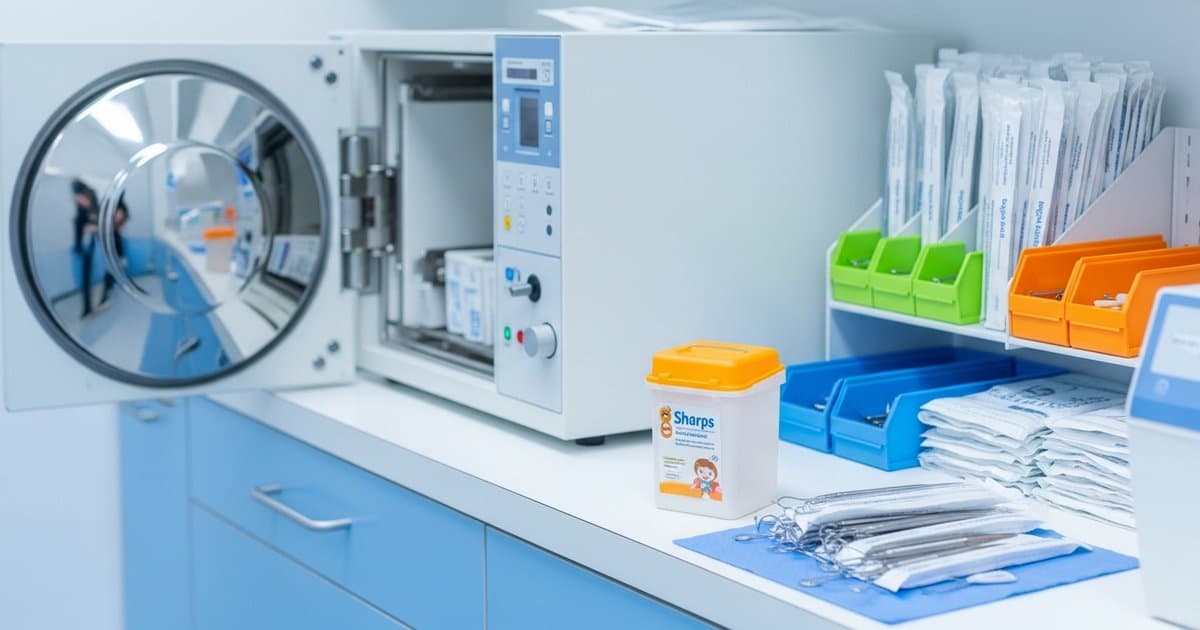
Sharps injuries represent one of the most serious occupational hazards in dental practice, with healthcare workers in dentistry facing among the highest rates of needlestick injuries across all medical specialties. For pediatric dental practices, these risks are compounded by the unique challenges of treating young, often anxious patients who may move unexpectedly during procedures. Implementing comprehensive sharps safety protocols and utilizing engineered safety devices isn't just about regulatory compliance—it's about protecting your team, your patients, and your practice's long-term viability. This guide provides pediatric dental practice owners with essential information on selecting appropriate engineered sharps injury prevention devices, establishing compliant disposal protocols, and creating a culture of safety that addresses the specific needs of treating children.
Understanding Sharps Safety Regulations and Pediatric Considerations
The Occupational Safety and Health Administration (OSHA) Bloodborne Pathogens Standard requires dental practices to evaluate and implement engineered sharps injury prevention devices when commercially available and effective. This regulation becomes particularly critical in pediatric dentistry, where the unpredictable nature of young patients can significantly increase the risk of accidental exposures.
Pediatric practices face unique challenges that adult-focused dental offices may not encounter. Children's sudden movements, anxiety-induced reactions, and smaller anatomical structures require heightened vigilance and specialized safety protocols. The 2000 Needlestick Safety and Prevention Act specifically mandates that healthcare facilities maintain a sharps injury log, conduct annual reviews of safer needle devices, and involve frontline workers in the selection and evaluation of safety devices.
When developing your sharps safety program, consider the specific procedural differences in pediatric dentistry. Local anesthetic administration requires different techniques and safety considerations when treating children versus adults. The shorter appointment times common in pediatric practice can create pressure to work quickly, potentially compromising safety protocols if not properly managed. Additionally, the presence of parents or guardians in the treatment area creates additional considerations for sharps handling and disposal.
Your Infection Control Fundamentals for Pediatric Dental Offices protocols should integrate seamlessly with sharps safety measures. This includes ensuring that all team members understand how sharps safety fits into the broader infection control framework, from initial patient contact through post-procedure cleanup and waste disposal.
Engineered Sharps Injury Prevention Devices for Pediatric Dental Practice
Selecting appropriate safety devices for pediatric dental practice requires careful consideration of both effectiveness and practicality in the pediatric environment. Engineered sharps injury prevention devices work by either eliminating the use of needles or by incorporating safety features that reduce the risk of injury.
Safety syringes represent the most critical category for pediatric practices. Self-sheathing safety syringes, such as those manufactured by Dentsply Sirona or Septodont, feature mechanisms that automatically cover the needle after injection. These devices are particularly valuable in pediatric dentistry because they activate immediately upon completion of the injection, reducing the risk of injury during the critical moments when a child might move unexpectedly. Retractable needle syringes offer another option, with the needle retracting into the syringe barrel after use, making accidental needlesticks virtually impossible.
For local anesthetic delivery, computer-controlled injection systems like The Wand or STA (Single Tooth Anesthesia) system provide dual benefits in pediatric practice. These devices not only reduce injection discomfort for young patients but also incorporate safety features that minimize exposure risk. The controlled delivery rate and specialized tips can improve patient cooperation while reducing the likelihood of sudden movements that could lead to injuries.
Safety scalpels and disposable instruments designed for pediatric procedures should feature retractable blades or protective shields. Products like the Swann-Morton Safety Scalpels incorporate spring-loaded blade retraction mechanisms that activate automatically after use. For practices performing surgical procedures, consider safety devices specifically sized for pediatric anatomy, which can improve precision while maintaining safety features.
Needle recapping devices, while not eliminating the need for needles, provide a safer alternative to traditional two-handed recapping. One-handed recapping devices or needle holders that secure the cap during recapping significantly reduce injury risk. However, these should be considered secondary options when safer alternatives like safety syringes are available.
Compliant Sharps Disposal Systems and Protocols
Proper sharps disposal in pediatric dental practices requires robust systems that account for the unique waste patterns and safety considerations of treating children. The selection of appropriate sharps containers and disposal protocols directly impacts both regulatory compliance and overall practice safety.
Sharps containers in pediatric practices should be strategically positioned for easy access while remaining out of reach of curious young patients. Wall-mounted containers positioned at adult eye level provide accessibility for staff while maintaining security. The container size should match your practice volume—pediatric practices often generate different waste patterns than general dental offices, with potentially higher numbers of small-gauge needles from frequent local anesthetic administration.
BD sharps containers and Covidien SharpSafety containers offer pediatric-friendly features including temporarily detachable trays that can be brought chairside when needed, then returned to wall-mounted units. This approach minimizes the distance sharps must be transported while maintaining secure storage. Containers should feature wide openings to accommodate safe disposal without requiring precise aim, which could increase injury risk.
Establish clear protocols for sharps disposal that account for pediatric-specific scenarios. Immediately after use, all sharps should be disposed of by the person who used them—never leave sharps on trays or pass them to other team members for disposal. In pediatric practices, this is particularly important because the need to maintain patient focus and manage behavior can create temptation to defer disposal tasks.
Your disposal protocol should address common pediatric scenarios: what to do when a child becomes upset during a procedure involving sharps, how to safely manage sharps when a parent needs to comfort a child mid-procedure, and procedures for handling sharps when dealing with emergency situations like medical emergencies or severe behavior management challenges.
Documentation requirements include maintaining sharps injury logs, tracking disposal volumes, and ensuring proper chain of custody for waste removal. Many pediatric practices benefit from weekly disposal schedules rather than monthly, as smaller container sizes appropriate for pediatric settings may fill more quickly than anticipated.
Staff Training and Safety Culture Development
Creating a robust safety culture around sharps handling in pediatric dental practice requires comprehensive training that addresses both technical skills and the unique psychological aspects of treating children. Your team must be prepared to maintain safety protocols even during challenging patient interactions or emergency situations.
Initial training should cover the proper use of all engineered safety devices in your practice, with hands-on practice sessions that simulate pediatric scenarios. Staff should practice using safety syringes while managing simulated patient movement, demonstrate proper disposal techniques when working in confined spaces, and understand how to maintain sharps safety when dealing with anxious or uncooperative young patients.
Regular refresher training becomes particularly important in pediatric practices due to staff turnover and the complexity of maintaining safety awareness during emotionally charged situations. Monthly safety meetings should include sharps-related topics, with scenarios based on actual practice experiences. Encourage staff to share near-miss incidents and discuss strategies for preventing similar situations.
Your OSHA Compliance Checklist for Dental Offices should include specific items related to sharps safety training documentation. Maintain records of all training sessions, competency evaluations, and safety device effectiveness reviews. This documentation is crucial for regulatory compliance and can provide valuable insights for improving your safety program.
Develop specific protocols for training new team members on pediatric-specific sharps safety. This includes understanding how to communicate with children about procedures involving needles, managing sharps safety when parents are present in the treatment area, and recognizing situations where additional safety precautions may be necessary.
Emergency Response and Incident Management
Despite the best prevention efforts, sharps injuries can still occur in pediatric dental practices. Having a comprehensive response plan that addresses the unique aspects of pediatric practice environments is essential for minimizing consequences and ensuring appropriate care for affected individuals.
Your incident response protocol should include immediate first aid procedures, exposure source evaluation, and post-exposure medical follow-up. In pediatric practices, consider scenarios where injuries might involve patient blood or saliva from children with unknown medical histories, potentially complicated by limited ability to obtain rapid medical history from young patients.
Establish relationships with occupational health providers who understand dental practice exposures and can provide rapid post-exposure evaluation and treatment. Many pediatric practices benefit from having written agreements with local emergency departments or occupational health clinics that specify response procedures and ensure familiarity with dental-specific exposure risks.
Document all incidents thoroughly, including circumstances leading to the exposure, safety device performance (if applicable), and any contributing factors specific to the pediatric environment. This information is valuable for preventing future incidents and may be required for workers' compensation or regulatory reporting.
Conduct post-incident analysis that examines both immediate causes and systemic factors. In pediatric practices, this might include evaluating whether patient behavior management strategies could be modified to reduce future risks, whether additional safety devices might be beneficial, or whether changes to treatment protocols could improve safety without compromising care quality.
How TGP Can Help
The Group Practice (TGP) understands that implementing comprehensive sharps safety programs requires significant investment in both safety devices and disposal systems. As a specialized group purchasing organization focused on pediatric dental practices, TGP leverages collective buying power to help member practices save 20-30% on essential sharps safety supplies and disposal services.
TGP's procurement specialists work directly with leading manufacturers of engineered safety devices to negotiate volume discounts on safety syringes, disposal containers, and other critical safety equipment. These savings extend beyond initial purchase prices to include reduced costs for disposal services, training materials, and compliance documentation systems. For many pediatric practices, these savings can offset the entire cost of TGP membership while providing access to premium safety products that might otherwise be cost-prohibitive.
Member practices also benefit from TGP's expertise in evaluating safety devices for pediatric applications. The organization's clinical advisory team provides guidance on selecting devices that balance safety effectiveness with practical considerations for treating children, helping practices avoid costly trial-and-error approaches to safety device selection. Additionally, TGP provides template policies, training materials, and compliance tracking tools that streamline implementation of comprehensive sharps safety programs.
Key Takeaways
• Engineered sharps injury prevention devices are mandatory under OSHA regulations and particularly critical in pediatric dental practices due to unpredictable patient behavior
• Safety syringe selection should prioritize automatic activation features that don't rely on manual engagement, as these are most effective in pediatric environments
• Sharps disposal containers must be strategically positioned for staff accessibility while remaining secure from curious young patients
• Staff training programs must address pediatric-specific scenarios and include regular practice sessions simulating challenging patient interactions
• Comprehensive incident response plans should account for exposure scenarios involving pediatric patients with limited medical history availability
• Computer-controlled injection systems provide dual benefits of improved patient comfort and enhanced safety features
• Documentation requirements extend beyond basic injury logs to include safety device effectiveness evaluations and pediatric-specific risk assessments
• Regular safety culture reinforcement through team meetings and scenario-based training is essential for maintaining high safety standards
Frequently Asked Questions
What are the most important safety features to look for when selecting syringes for pediatric dental procedures?
The most critical safety features for pediatric dental syringes include automatic activation mechanisms that engage immediately upon injection completion, one-handed operation capabilities that allow the operator to maintain patient contact and control, and needle shields that completely cover the needle point after use. Avoid devices that require manual activation or complex manipulation, as these can be difficult to operate correctly during challenging pediatric procedures. Self-sheathing syringes with spring-loaded mechanisms tend to be most reliable in pediatric applications because they don't depend on proper technique for activation. Additionally, consider syringes with ergonomic grips designed for extended use, as pediatric procedures often require more careful, deliberate injection techniques that can increase hand fatigue.
How should pediatric practices modify their sharps disposal protocols when parents are present in the treatment area?
When parents are present during pediatric dental procedures, establish clear protocols that maintain sharps safety while accommodating family involvement in care. Position sharps containers where they remain easily accessible to clinical staff but are not in the direct line of sight of anxious parents or children, as visible disposal of needles can increase patient anxiety. Train staff to dispose of sharps immediately after use, even when parents request to comfort or hold their child during procedures. Consider using temporarily detachable disposal trays that can be moved closer to the treatment area when parents are positioned near the patient chair. Additionally, educate parents about the importance of not interfering with sharps disposal procedures and establish clear communication signals between team members when coordinating disposal activities during parent-assisted care.
What special considerations apply to sharps safety during pediatric dental emergencies or behavior management situations?
Emergency situations in pediatric dentistry require pre-planned sharps safety protocols that can be implemented quickly without compromising patient care. Designate specific team members responsible for sharps management during emergencies, ensuring they can focus on safety tasks while others provide patient care. Keep emergency sharps disposal containers readily accessible in treatment areas where sedation or emergency procedures might occur. Train all team members on modified disposal procedures for situations where immediate disposal might not be possible, such as temporary secure storage methods that prevent injury while allowing focus on patient stabilization. For behavior management situations, establish protocols for safely securing or disposing of sharps when procedures must be interrupted due to patient cooperation issues, and consider whether certain safety devices perform better when procedures may start and stop unexpectedly.