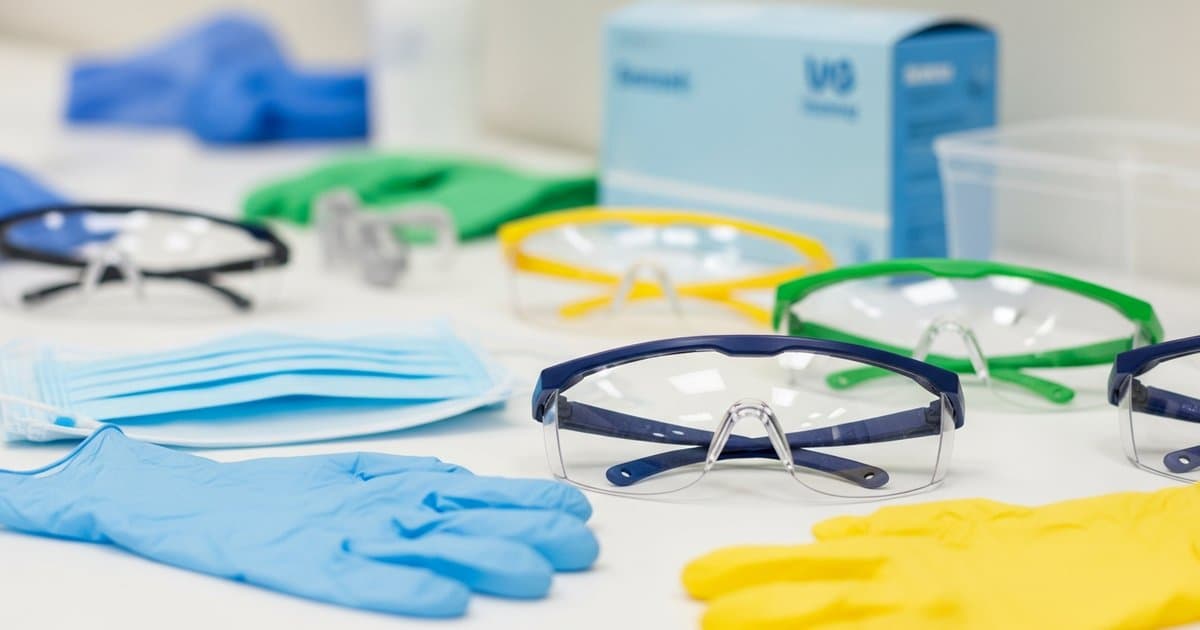
Protecting the eyes and face of dental professionals is a critical component of workplace safety that requires careful consideration of both regulatory requirements and practical functionality. For pediatric dental practices, the selection of appropriate protective eyewear becomes even more complex due to the unique challenges of working with young patients who may be unpredictable in their movements and reactions. From basic safety glasses to advanced loupes with integrated protection, dental teams need eyewear solutions that provide comprehensive protection while maintaining comfort during long procedures and clear visibility for precise work.
The importance of proper eye protection in dental settings cannot be overstated, as dental professionals face daily exposure to splatter, aerosols, flying debris, and intense lighting. In pediatric practices, these risks are often amplified by the need for enhanced visualization during procedures on smaller anatomical structures and the potential for sudden patient movements. Understanding the various types of protective eyewear available and their specific applications helps practice owners make informed decisions that protect their team while supporting optimal patient care.
Understanding Eye Protection Requirements in Pediatric Dental Settings
The Occupational Safety and Health Administration (OSHA) and the Centers for Disease Control and Prevention (CDC) mandate that dental healthcare personnel wear protective eyewear during patient care activities that are likely to generate splashes, spray, spatter, or droplets of blood or other potentially infectious materials. These requirements are particularly relevant in pediatric dental practices where procedures often involve high-speed handpieces, air-water syringes, and ultrasonic scalers that create significant aerosol production.
For pediatric dental teams, eye protection must address several specific risk factors. Children's unpredictable movements during procedures increase the likelihood of accidental contact with instruments or materials. The smaller oral cavity typical in pediatric patients often requires dental professionals to work in closer proximity, increasing exposure to splatter and aerosols. Additionally, the use of behavior management techniques such as nitrous oxide or sedation may create additional safety considerations for both patients and staff.
Comprehensive PPE Requirements for Pediatric Dental Practices extend beyond basic compliance to encompass best practices that protect both staff and young patients. Eye protection serves as a barrier against bloodborne pathogens, chemical splashes from dental materials, and physical debris generated during restorative procedures. The selection of appropriate eyewear should consider factors such as coverage area, optical clarity, comfort during extended wear, and compatibility with other PPE components.
The regulatory landscape also requires that protective eyewear provide adequate coverage for the eyes and surrounding facial area. Standard prescription glasses alone do not meet OSHA requirements, as they typically lack side shields and may not provide sufficient protection from splatter approaching from various angles. This is particularly important in pediatric settings where the practitioner may need to approach the patient from different positions to manage behavior and maintain proper visualization.
Types of Safety Glasses and Selection Criteria
Basic safety glasses represent the foundation of eye protection in dental practices and come in numerous configurations designed to meet different clinical needs. Wraparound safety glasses provide excellent peripheral protection and are particularly effective in pediatric settings where splatter may approach from multiple angles during active procedures. These glasses typically feature polycarbonate lenses that offer impact resistance and optical clarity while maintaining a lightweight design for extended wear comfort.
Prescription safety glasses allow dental professionals who require vision correction to maintain proper eyesight while meeting protection requirements. Many manufacturers offer prescription safety glasses with side shields and wraparound designs that provide comprehensive coverage. For pediatric dental professionals, the ability to see clearly while maintaining protection is essential for performing precise procedures on small anatomical structures and monitoring patient behavior throughout treatment.
Over-the-glasses (OTG) safety glasses provide a cost-effective solution for team members who already wear prescription eyewear but need additional protection during clinical procedures. These glasses are designed to fit comfortably over existing eyewear while providing the side and front protection required by safety regulations. However, practitioners should ensure that OTG glasses do not compromise the fit or effectiveness of other PPE components such as masks or face shields.
Anti-fog coatings and ventilation features are crucial considerations for safety glasses in dental settings, where mask-wearing and temperature variations can create fogging issues that compromise visibility and safety. Many modern safety glasses incorporate advanced anti-fog technologies and ventilation systems that maintain clear vision while preserving protection. This is particularly important in pediatric practices where clear communication and visual monitoring of patients are essential throughout procedures.
The selection of safety glasses should also consider factors such as lens tinting for procedures involving curing lights, adjustable features for proper fit across diverse team members, and durability for repeated cleaning and disinfection cycles. Some practices benefit from having multiple types of safety glasses available to accommodate different procedures and individual preferences while maintaining consistent protection standards.
Face Shields: Enhanced Protection for High-Risk Procedures
Face shields provide comprehensive protection for the entire facial area and are particularly valuable in pediatric dental settings where procedures may generate significant splatter or where enhanced protection is desired. Unlike safety glasses that protect primarily the eye area, face shields create a barrier that extends from the forehead to below the chin, offering protection against larger droplets and splashes that might bypass other forms of eye protection.
The design of face shields varies considerably, with options including disposable plastic shields, reusable shields with replaceable visors, and lightweight models specifically designed for extended wear during lengthy procedures. For pediatric dental practices, the choice between disposable and reusable face shields often depends on factors such as procedure volume, cost considerations, and environmental sustainability goals. Disposable shields offer the advantage of eliminating cross-contamination concerns and reducing cleaning time between patients, while reusable shields may be more cost-effective for high-volume practices.
Comfort and fit are critical factors in face shield selection, as poorly fitting shields can create gaps in protection or cause discomfort that leads to frequent adjustment during procedures. Adjustable headbands, cushioned contact points, and balanced weight distribution help ensure that face shields remain properly positioned throughout patient care activities. In pediatric settings, where procedures may be lengthy due to behavior management needs, comfort becomes even more important for maintaining consistent protection.
Face shields also serve an important role in protecting patients, particularly young children who may be anxious about dental procedures. The clear shield allows for better facial expression visibility and communication between the dental professional and the child, helping to maintain the rapport that is essential for successful pediatric dental care. Some practitioners find that face shields appear less intimidating to young patients than other forms of PPE, potentially improving cooperation during treatment.
The optical quality of face shields is crucial for maintaining the precision required in pediatric dental procedures. High-quality shields feature distortion-free viewing areas and anti-reflective coatings that prevent visual interference during detailed work. Some shields also incorporate anti-static properties that reduce the attraction of dust and debris to the shield surface, maintaining clearer vision throughout the procedure.
Loupes with Integrated Eye Protection
Dental loupes with integrated eye protection represent an advanced solution that combines magnification benefits with comprehensive safety features, making them particularly valuable for pediatric dental professionals who require enhanced visualization during precise procedures. Dental Loupes and Magnification for Pediatric Dentists have become essential tools for many practitioners, and models with integrated eye protection eliminate the need to coordinate separate magnification and safety equipment.
The integration of protective features into loupes presents unique engineering challenges, as the addition of side shields or wraparound protection must not interfere with the optical properties or comfort of the magnification system. Leading manufacturers have developed solutions that incorporate removable or flip-up protective elements, allowing practitioners to maintain full protection during aerosol-generating procedures while having the flexibility to optimize magnification when enhanced protection is not required.
Magnification benefits in pediatric dentistry extend beyond simple enlargement to include improved posture and reduced eye strain during procedures on small anatomical structures. When combined with integrated eye protection, these benefits can be realized without compromising safety or requiring the coordination of multiple pieces of equipment. This is particularly valuable in pediatric practices where efficient workflow and minimal equipment changes between procedures can help maintain patient cooperation and reduce anxiety.
The optical quality of loupes with integrated protection requires careful consideration, as any compromise in visual clarity can impact the precision required for pediatric dental procedures. High-quality integrated systems maintain the optical standards expected from professional loupes while providing effective protection against splatter and debris. Some systems offer interchangeable protective elements that can be customized based on the specific requirements of different procedures or individual preferences.
Comfort considerations become even more critical when combining magnification and protection features, as the additional weight and bulk of protective elements can affect the balance and wearability of the loupe system. Advanced designs incorporate lightweight materials and ergonomic features that distribute weight effectively while maintaining proper positioning of both magnification and protection elements. For pediatric dental professionals who may wear loupes for extended periods during complex procedures, comfort directly impacts both safety and clinical effectiveness.
Maintenance, Cleaning, and Best Practices
Proper maintenance and cleaning of protective eyewear are essential for ensuring continued effectiveness and longevity of safety equipment in pediatric dental practices. The unique challenges of pediatric dentistry, including potential exposure to various materials and the need for frequent cleaning between patients, require specific protocols that maintain both safety and functionality of eye protection equipment.
Cleaning protocols for safety glasses and face shields must address both disinfection requirements and the preservation of optical clarity. Many cleaning agents can damage protective coatings or cause clouding of protective surfaces, compromising both safety and visibility. Recommended cleaning procedures typically involve gentle cleaning solutions specifically designed for optical equipment, followed by thorough rinsing and air drying to prevent water spots or residue that could interfere with vision.
The frequency of cleaning and replacement depends on several factors, including the type of procedures performed, the volume of patients treated, and the specific design of the protective equipment. In pediatric practices where procedures may involve materials such as fluoride treatments or restorative compounds, more frequent cleaning may be necessary to maintain optical clarity and prevent buildup of materials on protective surfaces.
Storage and handling practices play a crucial role in maintaining the integrity of protective eyewear. Proper storage prevents scratching of optical surfaces and damage to protective coatings, while appropriate handling procedures reduce the risk of contamination between uses. Many practices implement dedicated storage systems that protect eyewear while allowing for proper air circulation and easy access during clinical procedures.
Regular inspection of protective eyewear helps identify wear patterns, damage, or degradation that could compromise protection effectiveness. Scratches, cracks, or worn protective coatings not only reduce optical clarity but may also create areas where contaminants can accumulate or where protection may be compromised. Establishing regular inspection schedules and replacement criteria helps ensure that protective equipment continues to provide adequate safety throughout its service life.
How TGP Can Help
The Group Purchasing Organization (TGP) understands that pediatric dental practices face unique challenges in balancing comprehensive safety protection with cost management. Through our specialized group purchasing power, pediatric dental practices can access premium protective eyewear, face shields, and loupes with integrated protection at 20-30% below standard market prices. This significant cost savings allows practice owners to invest in higher-quality protective equipment without straining their operational budgets.
TGP's relationships with leading manufacturers of dental safety equipment provide exclusive access to bulk pricing typically reserved for large institutional buyers. Our pediatric-focused approach ensures that the protective eyewear options we negotiate include features specifically relevant to pediatric dental settings, such as enhanced comfort for extended wear, superior optical clarity for precise work on small anatomical structures, and designs that facilitate better communication with young patients.
Our group purchasing program simplifies the procurement process by providing pre-negotiated contracts with vetted suppliers, eliminating the need for individual practices to research suppliers and negotiate pricing. This streamlined approach saves valuable administrative time while ensuring access to high-quality protective equipment that meets or exceeds industry safety standards. TGP members also benefit from consolidated ordering systems that reduce shipping costs and inventory management complexity.
The cost savings achieved through TGP membership extend beyond initial equipment purchases to include ongoing supplies such as replacement shields, cleaning supplies, and maintenance accessories. Our comprehensive approach to group purchasing ensures that pediatric practices can maintain their protective equipment effectively while controlling operational costs. Additionally, TGP provides ongoing support and education regarding new products and safety developments, helping practices stay current with evolving safety standards and best practices.
Key Takeaways
• Comprehensive eye protection is mandatory in pediatric dental settings and requires careful selection based on specific clinical needs and regulatory requirements
• Safety glasses must provide adequate coverage with side protection, with options including wraparound designs, prescription lenses, and over-the-glasses solutions for different team member needs
• Face shields offer enhanced protection for high-risk procedures and can improve patient communication while providing comprehensive facial coverage
• Loupes with integrated eye protection combine magnification benefits with safety features, particularly valuable for precise pediatric dental procedures
• Proper maintenance, cleaning, and regular inspection of protective eyewear are essential for maintaining safety effectiveness and equipment longevity
• Anti-fog features and optical quality considerations are crucial for maintaining clear vision while wearing masks and during temperature variations common in dental settings
• Different types of protective eyewear may be appropriate for different procedures, with practices benefiting from having multiple options available for various clinical situations
Frequently Asked Questions
What level of eye protection is required for routine pediatric dental cleanings versus restorative procedures?
For routine cleanings and examinations in pediatric patients, basic safety glasses with side shields typically provide adequate protection, especially when combined with appropriate masks and other PPE. However, restorative procedures involving high-speed handpieces, air-water syringes, or aerosol-generating equipment may warrant enhanced protection such as face shields or wraparound safety glasses. The unpredictable nature of pediatric patients also suggests that higher levels of protection may be beneficial even during routine procedures, as children may move suddenly or react unexpectedly to treatment. Many pediatric practices adopt a policy of consistent protection levels regardless of procedure type to ensure staff safety and simplify PPE protocols.
How can protective eyewear be made more comfortable for extended wear during lengthy pediatric procedures?
Comfort during extended wear depends on several factors including proper fit, weight distribution, and ventilation features. Adjustable nose pieces and temple arms help ensure proper positioning without creating pressure points, while lightweight materials reduce fatigue during long procedures. Anti-fog coatings and ventilation features prevent vision obstruction that can cause discomfort and frequent adjustments. For procedures requiring magnification, ensuring that protective features are properly integrated with loupes prevents the need to coordinate multiple pieces of equipment. Regular breaks when possible and having backup eyewear available can also help maintain comfort and protection throughout extended treatment sessions.
What special considerations apply to protective eyewear when working with pediatric patients under sedation or general anesthesia?
When working with sedated pediatric patients, protective eyewear requirements may be enhanced due to the increased duration of procedures and the potential for more extensive splatter generation during comprehensive treatments. Face shields may be preferred over basic safety glasses to provide more comprehensive protection during longer procedures. The reduced patient movement under sedation may seem to decrease splatter risk, but the extended procedure time and potential for more invasive treatments actually increase the need for reliable protection. Additionally, the lighting and positioning requirements for sedation dentistry may require protective eyewear with specific optical properties to maintain clear visualization throughout extended procedures while ensuring consistent protection for the entire dental team.