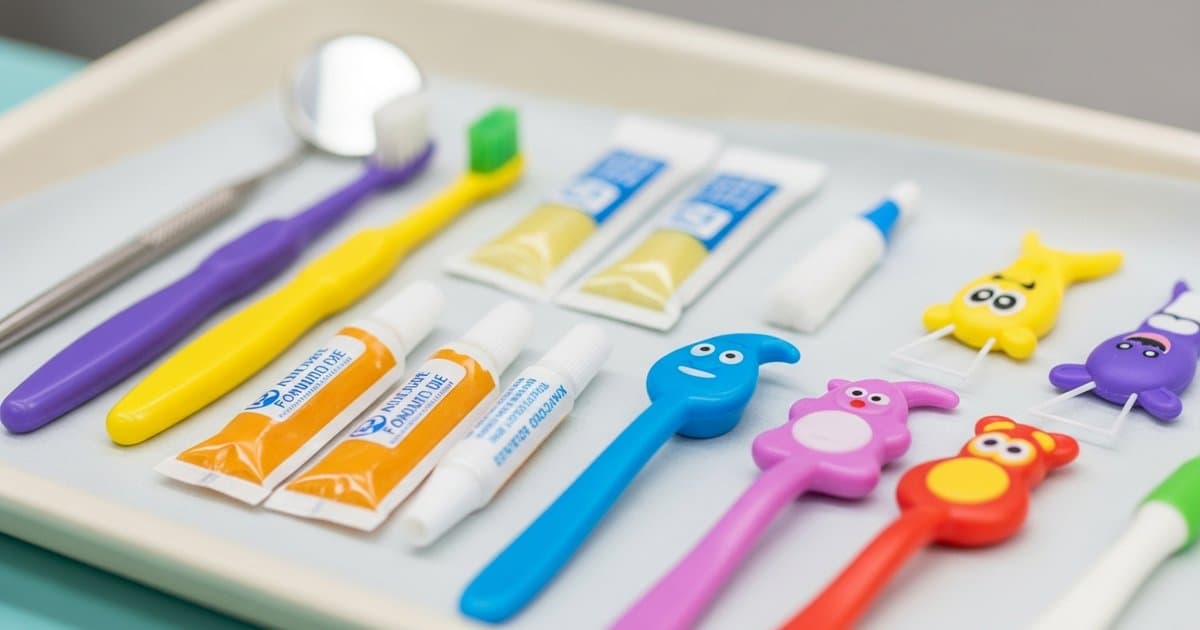
Establishing a comprehensive preventive dentistry program is one of the most effective ways pediatric dental practices can improve patient outcomes while building a sustainable business model. The key to success lies not just in having the right protocols, but in stocking your practice with high-quality, age-appropriate supplies that make preventive care both effective and enjoyable for young patients. From specialized prophy pastes with appealing flavors to innovative plaque-disclosing solutions, the supplies you choose can significantly impact treatment acceptance, patient comfort, and long-term oral health outcomes.
Modern pediatric preventive dentistry extends far beyond basic cleanings, encompassing everything from early intervention caries prevention to habit counseling and dietary guidance. Each component of your preventive program requires specific supplies tailored to the unique needs of children and adolescents. Understanding which products to stock, how to use them effectively, and where to source them cost-effectively can mean the difference between a thriving preventive program and one that struggles to meet its potential.
Essential Prophylaxis Supplies for Pediatric Patients
The foundation of any pediatric preventive program starts with professional cleaning supplies designed specifically for young patients. Traditional prophy pastes often fall short in pediatric settings due to their gritty texture and unpalatable flavors, making the selection of child-friendly alternatives crucial for treatment acceptance.
Premium pediatric prophy pastes like Nupro Fine and Proxyt Fine offer the perfect balance of effective cleaning power with gentle abrasiveness suitable for developing teeth and sensitive gums. These products come in appealing flavors such as bubble gum, cherry, and mint chocolate chip that transform the cleaning experience from a chore into something children actually anticipate. The finer grit formulations are particularly important for primary teeth, which have thinner enamel compared to permanent teeth.
Prophy angles and cups require special consideration in pediatric practices as well. Soft cups are generally preferred for younger children and those with gingivitis, while medium cups work well for routine cleanings in healthy older children and adolescents. Disposable prophy angles eliminate cross-contamination concerns that are particularly important in pediatric settings where immune systems may still be developing.
For practices offering air polishing services, sodium bicarbonate powders designed for pediatric use provide superior results with minimal discomfort. These products are especially effective for removing biofilm and stains while being gentle enough for sensitive young patients. However, it's important to note that air polishing should generally be reserved for cooperative patients over age six who can reliably follow instructions during the procedure.
Don't overlook the importance of having various prophy cup sizes available. Pediatric-specific smaller cups allow for better access and control in smaller mouths, leading to more thorough cleanings with less patient discomfort. Some manufacturers offer color-coded systems that help staff quickly identify the appropriate size for different age groups.
Fluoride Products and Application Systems
Fluoride remains one of the most powerful tools in preventive pediatric dentistry, but product selection and application methods require careful consideration for different age groups and risk levels. Professional fluoride applications in pediatric practices typically involve three main product categories: varnishes, gels, and foams, each with specific advantages depending on patient age, cooperation level, and caries risk assessment.
Fluoride varnishes have become the gold standard for pediatric applications due to their ease of use, high patient acceptance, and superior retention on tooth surfaces. Products like 5% sodium fluoride varnish can be applied quickly without requiring patient cooperation for extended periods, making them ideal for toddlers and anxious children. The key is having multiple flavor options available - children respond much better when they can choose between vanilla, cherry, or caramel flavors. For detailed guidance on selecting and applying fluoride varnish products, refer to our comprehensive Fluoride Varnish Application: Products and Protocols guide.
Foam fluoride applications work well for older, more cooperative children who can reliably avoid swallowing during treatment. These products typically require shorter application times than gels while still providing excellent fluoride uptake. Disposable foam trays in various pediatric sizes ensure proper coverage while maintaining infection control standards. Flavored options like grape and strawberry help mask the sometimes unpleasant taste of fluoride compounds.
For high-risk patients or those with specific needs, prescription-strength fluoride products may be necessary. These include high-concentration fluoride rinses for home use and specialized application systems for in-office treatments. However, extra caution must be taken with dosing and application techniques to prevent fluoride ingestion, particularly in younger children.
Application supplies are equally important as the fluoride products themselves. Micro-brushes in various sizes allow for precise application, while gauze squares help isolate and dry teeth effectively. Having pediatric-sized fluoride trays available ensures comfortable fit and proper fluoride retention during application periods.
Dental Sealant Materials and Equipment
Pit and fissure sealants represent one of the most effective preventive interventions available in pediatric dentistry, with proper material selection and application technique being critical for long-term success. The choice between resin-based and glass ionomer sealants often depends on patient factors such as age, cooperation level, and ability to maintain adequate moisture control during placement.
Light-cured resin sealants like Delton and Clinpro offer excellent durability and retention when properly placed, making them ideal for cooperative patients where moisture control can be maintained throughout the procedure. These materials typically require acid etching, thorough rinsing, and complete desiccation before application - steps that can be challenging in very young or uncooperative patients. However, when successfully placed, resin sealants provide superior longevity and wear resistance.
Glass ionomer sealants present an excellent alternative for challenging cases where moisture control is difficult to achieve. These materials bond chemically to tooth structure without requiring etching and are more forgiving of slight moisture contamination during placement. While they may not offer the same longevity as resin sealants, they provide ongoing fluoride release that can benefit high-risk patients. Products like Fuji Triage offer the convenience of self-cure with the option of light activation for improved physical properties.
Application supplies for sealant placement require careful attention to detail. Phosphoric acid etching gels in concentrations of 32-37% effectively prepare enamel surfaces, while avoiding the more aggressive 40%+ concentrations that were common in the past. Micro-brushes and application tips in various sizes allow for precise placement in posterior teeth, while cotton rolls and gauze help maintain the dry field essential for successful bonding.
For practices placing significant numbers of sealants, consider investing in specialized isolation systems beyond traditional cotton roll isolation. Rubber dam isolation, while more time-consuming to place, provides superior moisture control and can significantly improve sealant retention rates. Additionally, having a variety of curing light tips available ensures adequate light penetration into posterior regions where sealants are typically placed.
Our detailed Dental Sealant Supplies and Application Guide provides comprehensive information on product selection, placement techniques, and troubleshooting common application challenges in pediatric patients.
Plaque Control and Patient Education Supplies
Effective plaque control education forms the cornerstone of successful pediatric preventive programs, requiring supplies that not only reveal plaque effectively but do so in ways that engage and educate young patients. The goal is to transform plaque disclosure from a potentially embarrassing experience into an educational opportunity that motivates improved home care.
Disclosing solutions and tablets serve as powerful visual tools for demonstrating plaque accumulation patterns to both children and their parents. Traditional red disclosing solutions work well but can be messy and sometimes alarming to young children. Newer formulations offer alternatives like purple or blue colors that may be less concerning while still providing excellent contrast against tooth surfaces. Two-tone disclosing products that differentiate between old and new plaque deposits add an educational dimension that helps children understand the importance of consistent daily oral hygiene.
Tablet forms of disclosing agents offer advantages in pediatric settings, including easier dosing control and reduced mess compared to liquid solutions. However, they require patients to chew thoroughly and swish adequately, which may not be suitable for very young children. Having both forms available allows you to select the most appropriate option based on patient age and cooperation level.
Application supplies for plaque disclosure include cotton swabs for targeted application, small paper cups for rinsing solutions, and adequate lighting to ensure proper visualization of disclosed plaque. Having mirrors available at chairside allows children to see their own plaque patterns, which often proves more motivating than simply being told about areas that need improvement.
Educational materials complement disclosing procedures by reinforcing key messages about plaque control. Age-appropriate brushing and flossing charts, sticker reward systems, and take-home oral hygiene supplies help extend the educational impact beyond the dental visit. Consider stocking pediatric-sized toothbrushes and fluoride toothpastes as retail items that parents can purchase to ensure their children have appropriate tools for home care.
Interactive educational tools like plaque pH test strips can demonstrate how dietary choices affect oral acidity levels, providing tangible evidence of how snacking patterns influence cavity risk. These supplies work particularly well with older children and adolescents who can better understand the relationship between diet, bacteria, and tooth decay.
Specialized Prevention Program Supplies
Comprehensive pediatric preventive programs often extend beyond routine cleanings and fluoride applications to include specialized interventions tailored to specific patient needs and risk factors. These programs require additional supplies that may not be part of standard preventive protocols but can significantly enhance treatment outcomes for targeted patient populations.
Silver diamine fluoride (SDF) has revolutionized pediatric preventive and therapeutic care, particularly for high-risk patients or those with limited treatment cooperation. This topical medication requires specific application supplies including micro-brushes for precise application, petroleum jelly for soft tissue protection, and specialized storage considerations due to its light sensitivity and staining potential. While primarily therapeutic, SDF applications often become part of ongoing prevention protocols for managing arrested caries lesions.
Xylitol products represent an emerging category of preventive supplies with particular relevance in pediatric practices. Xylitol-containing chewing gums, mints, and oral rinses can be valuable additions to prevention protocols for older children and adolescents, particularly those at high caries risk. However, product selection requires attention to age-appropriate delivery methods and dosing guidelines to maximize benefits while ensuring safety.
Antimicrobial rinses formulated specifically for children offer another tool for managing high-risk patients or those with gingivitis. These products typically feature alcohol-free formulations and appealing flavors while maintaining antimicrobial efficacy. Application may require supervision to ensure proper technique and prevent ingestion, making them most suitable for children over age six.
Dietary counseling supplies enhance prevention programs by providing tangible tools for discussing nutrition's role in oral health. pH test strips, caries risk assessment forms, and educational materials about hidden sugars in foods help make abstract concepts concrete for young patients and their families. Having actual food labels and sugar content demonstrations available can create powerful teaching moments during preventive visits.
Custom fluoride delivery systems may be necessary for very high-risk patients or those with special healthcare needs. This includes custom fluoride trays, prescription fluoride preparations, and specialized application techniques that require additional supplies beyond standard prevention protocols. These interventions typically require additional training and certification but can provide significant benefits for appropriate patient populations.
How TGP Can Help
Managing supply costs while maintaining quality standards represents one of the biggest challenges facing pediatric dental practices today. The specialized nature of many pediatric preventive supplies often means higher per-unit costs and smaller package sizes that can strain practice budgets, particularly for smaller practices with limited purchasing power.
The Group Practice (TGP) addresses these challenges through our comprehensive group purchasing organization specifically designed for dental practices. By leveraging the collective buying power of hundreds of member practices, TGP negotiates significant discounts on preventive dentistry supplies that individual practices cannot achieve on their own. Our members typically save 20-30% on the preventive supplies discussed in this guide, including specialized pediatric products that are often excluded from general dental supply discounts.
TGP's pediatric-focused supply programs recognize the unique needs of children's dental practices, offering bundled pricing on complete preventive supply packages that include everything from flavored prophy pastes to specialized fluoride application systems. This approach not only reduces costs but also simplifies ordering and inventory management, allowing practice owners to focus on patient care rather than supply chain management.
Our supply specialists understand the seasonal patterns and usage requirements typical of pediatric practices, helping optimize inventory levels to prevent stockouts during busy periods while avoiding excess inventory carrying costs. Additionally, TGP provides access to new product launches and educational resources that keep member practices current with the latest developments in pediatric preventive dentistry supplies.
The cost savings achieved through TGP membership often exceed annual membership fees within the first few months, making it one of the most effective investments practice owners can make in their operational efficiency. Beyond direct cost savings, members benefit from streamlined vendor relationships, consolidated billing, and access to exclusive products not available through traditional supply channels.
Key Takeaways
• Product selection matters: Choose pediatric-specific supplies with appropriate flavors, sizes, and formulations that enhance patient acceptance and treatment outcomes
• Comprehensive stocking strategy: Maintain inventory across all preventive categories including prophylaxis supplies, fluoride products, sealant materials, and patient education tools
• Age-appropriate options: Stock supplies suitable for different developmental stages, from toddlers to adolescents, recognizing that one size does not fit all in pediatric dentistry
• Quality over cost: Invest in proven products that deliver consistent results rather than compromising quality for marginal cost savings
• Staff training essential: Ensure all team members understand proper use, storage, and application techniques for specialized pediatric preventive supplies
• Patient engagement tools: Incorporate interactive and educational supplies that transform preventive visits into positive learning experiences
• Risk-based protocols: Maintain specialized supplies for high-risk patients and those requiring enhanced preventive interventions
• Cost management: Leverage group purchasing power through organizations like TGP to achieve significant savings while maintaining quality standards
• Inventory optimization: Balance adequate stock levels with carrying costs, considering seasonal variations typical in pediatric practices
• Stay current: Regularly evaluate new products and technologies that can enhance preventive program effectiveness and patient satisfaction
Frequently Asked Questions
How often should I replace flavored prophy paste inventory to ensure optimal taste and effectiveness?
Most flavored prophy pastes maintain their taste and effectiveness for 12-18 months when stored properly at room temperature away from direct sunlight. However, pediatric practices often find that maintaining a 6-month rotation schedule ensures optimal flavor appeal, which is crucial for patient acceptance. Pay particular attention to expiration dates and consider the volume usage patterns in your practice - high-volume practices may naturally rotate inventory more frequently, while smaller practices should order smaller quantities more often. Signs that prophy paste needs replacement include flavor degradation, changes in consistency, or separation of ingredients. Additionally, seasonal preferences may influence rotation schedules, as children often prefer lighter fruit flavors in summer and richer flavors like mint chocolate during cooler months.
What's the most cost-effective approach to stocking fluoride products for different age groups and risk levels?
A tiered approach to fluoride product stocking maximizes both clinical effectiveness and cost efficiency. Start with a base inventory of 5% sodium fluoride varnish in 2-3 popular flavors, as this covers the majority of pediatric fluoride applications with excellent patient acceptance. Add foam fluoride in at least two flavors for older cooperative children, and consider gel options only if your patient population frequently requires longer application times. For high-risk patients, stock prescription-strength products based on your specific patient demographics - practices with many high-risk patients benefit from having these readily available, while low-risk populations may find special-order arrangements more economical. Group purchasing through organizations like TGP often provides the best pricing on complete fluoride product portfolios, allowing practices to maintain comprehensive inventories without significant cost penalties compared to single-product purchasing.
Should I invest in specialized isolation systems for sealant placement, or are traditional methods sufficient?
The investment in specialized isolation systems depends primarily on your sealant volume and patient cooperation levels. For practices placing fewer than 20-30 sealants monthly, traditional cotton roll isolation with proper technique typically provides adequate moisture control at a fraction of the cost. However, high-volume sealant practices or those serving many young or special needs patients often find that rubber dam isolation or other specialized systems significantly improve success rates and long-term retention. The initial investment in isolation supplies and staff training typically pays for itself through improved sealant longevity and reduced replacement needs. Consider starting with enhanced traditional methods including better cotton roll systems and saliva ejectors, then upgrading to specialized isolation if clinical outcomes or patient management challenges warrant the additional investment.