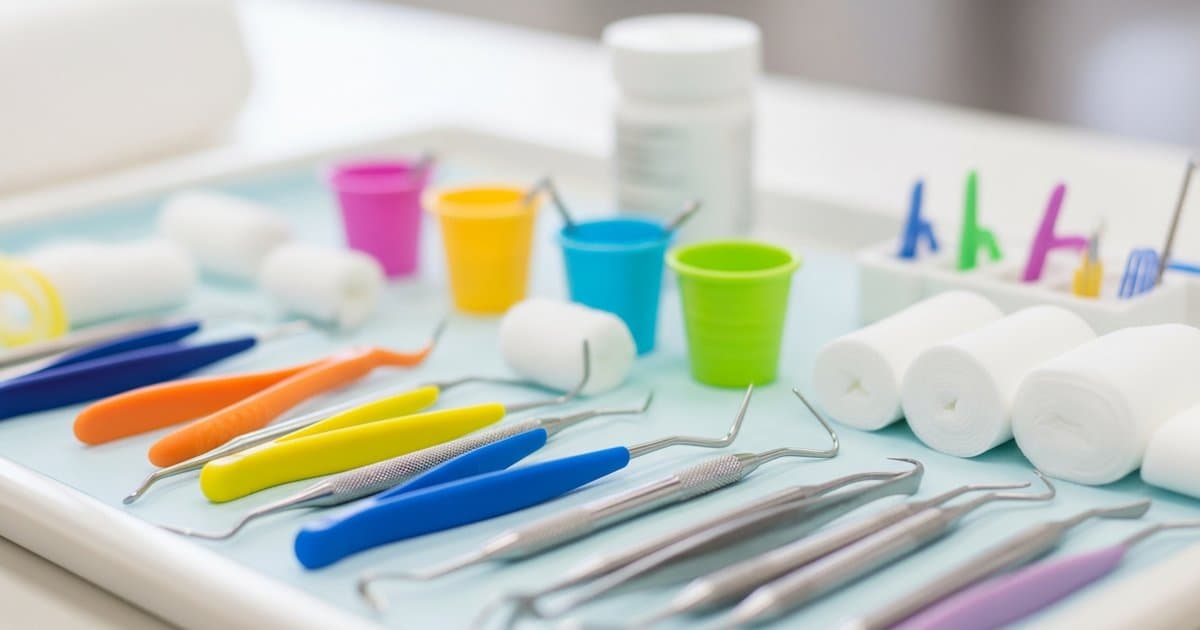
Primary tooth extractions are among the most common procedures in pediatric dentistry, requiring specialized instruments and supplies designed specifically for young patients. Unlike permanent teeth, primary teeth have unique anatomical characteristics that demand careful selection of extraction forceps, elevators, and hemostatic materials. For practice owners, investing in the right pediatric-specific instruments not only ensures successful procedures but also contributes to positive patient experiences that build long-term relationships with families. The smaller root structures, thinner alveolar bone, and proximity to developing permanent teeth in children make proper instrument selection critical for both safety and efficacy.
Understanding Pediatric-Specific Extraction Forceps
Pediatric extraction forceps are fundamentally different from their adult counterparts, featuring smaller working ends, shorter beaks, and modified handle designs that accommodate the unique challenges of primary tooth extraction. The key distinguishing features include narrower beak widths that fit properly around smaller tooth crowns, reduced overall length for better access in smaller mouths, and lighter construction that provides better tactile feedback when working with delicate primary teeth.
The most commonly used pediatric forceps include the #150 universal forceps for anterior primary teeth, which features straight beaks ideal for incisors and canines. For posterior extractions, the #151 and #152 forceps are designed specifically for primary molars, with the #151 used for upper molars and the #152 for lower molars. These instruments feature appropriately sized beaks that accommodate the smaller crowns and thinner roots of primary molars without causing unnecessary trauma to surrounding tissues.
When selecting pediatric forceps, consider manufacturers like Hu-Friedy, which offers the PEDIATRIC series specifically engineered for primary tooth extraction. Their instruments feature ergonomic handles that reduce hand fatigue during multiple extractions and precision-engineered working ends that minimize the risk of crown fracture. Another reputable option is the PDT (Pediatric Dental Tools) line, which provides cost-effective alternatives without compromising on quality.
The technique for using pediatric forceps differs significantly from adult extractions. The reduced root length and softer alveolar bone in children require gentler pressure and more controlled movements. Practice owners should ensure their clinical staff receives proper training in pediatric extraction techniques, as excessive force can easily fracture primary tooth roots or damage developing permanent tooth buds beneath.
Essential Elevator Selection for Primary Teeth
Dental elevators play a crucial role in pediatric extractions by loosening the periodontal ligament and expanding the alveolar socket before forceps application. Pediatric elevators are characterized by smaller blade widths, thinner profiles, and modified angles that work effectively in the confined space of a child's mouth while providing adequate leverage without excessive force application.
The straight elevator remains the most versatile instrument for pediatric use, typically available in sizes ranging from 1mm to 4mm blade widths. The smaller sizes (1-2mm) are particularly useful for anterior primary teeth, while the larger sizes (3-4mm) work well for posterior teeth. The Molt #9 elevator, scaled down for pediatric use, offers excellent versatility for both anterior and posterior extractions with its angled blade design that provides optimal access to the cervical area of primary teeth.
Curved elevators, such as the Cryer elevators (#34 and #35), are invaluable for posterior primary molar extractions. These instruments allow clinicians to engage the furcation area of multi-rooted primary teeth, effectively separating roots and expanding the socket. The pediatric versions of these elevators feature shorter handles and smaller blade dimensions that prevent over-application of force while maintaining effectiveness.
Root tip picks and apical elevators deserve special mention in pediatric dentistry due to the tendency of primary tooth roots to fracture during extraction. Instruments like the #301 and #302 root tip picks are essential for retrieving small root fragments without extensive bone removal. These delicate instruments require regular maintenance and should be replaced when tips become worn or bent, as their effectiveness depends on precise, sharp working ends.
For practice owners considering elevator selection, investing in a comprehensive pediatric elevator set from established manufacturers ensures consistency in quality and performance. Companies like Integra Miltex and ASA Dental offer complete pediatric extraction kits that include appropriately sized elevators alongside matching forceps, providing cost-effective solutions for practices performing regular extractions.
Hemostatic Materials and Post-Extraction Care Supplies
Effective hemostasis following pediatric extractions requires materials specifically chosen for their safety profile, ease of use, and effectiveness in young patients. Children's increased anxiety and tendency toward post-operative bleeding make proper hemostatic material selection crucial for successful outcomes and positive patient experiences.
Gelatin sponges remain the gold standard for pediatric post-extraction hemostasis, with products like Gelfoam and Surgicel providing reliable bleeding control while being completely absorbable. These materials are particularly well-suited for children because they don't require removal and dissolve naturally over 4-6 weeks. When selecting gelatin sponges, choose smaller pre-cut sizes appropriate for primary tooth sockets, typically 2-3mm squares that can be easily placed without overpacking the extraction site.
Collagen plugs and matrices offer another excellent option for pediatric hemostasis, with products like CollaCote and CollaPlug providing immediate bleeding control while promoting natural healing. These materials are particularly useful for anxious children as they provide rapid hemostasis, reducing the time needed for direct pressure application. The biocompatible nature of collagen materials makes them ideal for pediatric use, with minimal risk of adverse reactions.
Topical hemostatic agents, including ferric sulfate solutions and aluminum chloride preparations, should be used judiciously in pediatric patients. While effective, these chemical agents require careful application to avoid tissue irritation and should be thoroughly rinsed after achieving hemostasis. Products like Astringedent and ViscoStat are formulated for gentle tissue interaction while providing reliable bleeding control.
For practices managing anxious pediatric patients, consider stocking hemostatic materials that work quickly and require minimal manipulation. Chitosan-based hemostatic agents like HemCon offer rapid hemostasis through natural clotting mechanisms and are particularly effective for patients who may not cooperate with prolonged pressure application.
Proper anesthetic management is crucial for successful pediatric extractions, and practices should ensure they have comprehensive supplies for local anesthesia for pediatric dentistry: supplies and techniques to minimize patient discomfort and improve cooperation during and after the procedure.
Specialized Instruments for Complex Pediatric Cases
Complex pediatric extractions, including surgical removal of impacted teeth, fractured roots, or extractions in medically compromised patients, require additional specialized instruments beyond standard forceps and elevators. These cases often involve primary teeth with unusual root morphology, extensive caries, or anatomical variations that complicate routine extraction techniques.
High-speed surgical burs and bone removal instruments become essential when dealing with ankylosed primary teeth or cases requiring alveolar bone modification. Carbide and diamond burs in smaller sizes (#1/2, #1, #2) provide precise bone removal without excessive heat generation. Piezoelectric surgery units offer an excellent alternative for pediatric surgical extractions, providing precise bone cutting while preserving soft tissues and reducing post-operative complications.
Luxation instruments, including periotomes and PDL injectors, offer valuable alternatives for difficult extractions while minimizing trauma to surrounding structures. These instruments work particularly well with primary teeth that have extensive root resorption or unusual root configurations. The Periotome system allows for controlled luxation through periodontal ligament space expansion, often eliminating the need for forceps application entirely.
For fractured primary teeth or roots, specialized retrieval instruments become necessary. Root fragment forceps with fine tips, such as the #286 mosquito hemostats adapted for dental use, provide excellent control when retrieving small root pieces. Ultrasonic root removal systems offer another option for challenging cases, using vibration to loosen retained root fragments without extensive bone removal.
Irrigation systems and suction tips designed for pediatric use ensure clear visualization during complex extractions. Smaller suction tips (5mm or 6mm) work effectively in children's mouths without causing excessive tissue trauma or patient discomfort. Sterile saline irrigation helps maintain clear surgical fields while cooling tissues during bone removal procedures.
Practice owners should consider maintaining relationships with pediatric oral surgeons for referral of complex cases while ensuring their practices are equipped to handle routine complicated extractions that may arise unexpectedly. Having appropriate instruments available prevents delays in treatment and reduces patient anxiety associated with multiple appointments.
Inventory Management and Quality Assurance
Effective inventory management of pediatric extraction supplies requires balancing cost control with ensuring adequate stock levels of specialized instruments that may have limited suppliers or longer lead times. Unlike general dental supplies, pediatric-specific instruments often come from specialized manufacturers with less flexibility in ordering and delivery schedules.
Establishing minimum stock levels for essential items like pediatric forceps, elevators, and hemostatic materials ensures practice continuity while avoiding excessive inventory carrying costs. Most practices benefit from maintaining 2-3 sets of primary extraction forceps (#150, #151, #152) to allow for proper sterilization cycles and instrument maintenance. Similarly, stocking multiple sizes of elevators prevents delays when instruments require sharpening or replacement.
Quality assurance protocols for pediatric extraction instruments should include regular inspection for wear, proper sharpening schedules, and timely replacement of damaged instruments. The smaller, more delicate nature of pediatric instruments makes them more susceptible to damage from improper handling or sterilization procedures. Implementing instrument tracking systems helps ensure proper rotation and maintenance scheduling.
For hemostatic materials, attention to expiration dates and proper storage conditions becomes critical, as these products can lose effectiveness over time or when exposed to inappropriate temperature or humidity conditions. Establishing first-in, first-out inventory rotation prevents waste while ensuring materials maintain their intended performance characteristics.
Consider developing relationships with multiple suppliers for critical items to ensure supply chain continuity. While specialized pediatric instruments may have limited manufacturer options, having backup suppliers for hemostatic materials and disposable items provides security against supply disruptions that could impact patient care.
Practices should also maintain detailed records of instrument performance and supplier reliability to inform future purchasing decisions. This data becomes particularly valuable when evaluating cost versus quality trade-offs or when considering new products or suppliers. Having comprehensive child-size dental instruments: a buyer's guide information helps streamline the evaluation process for new instruments and supplies.
How TGP Can Help
The Group Practice (TGP) understands the unique challenges pediatric dental practices face when sourcing specialized extraction instruments and supplies. As a dedicated group purchasing organization serving dental practices nationwide, TGP leverages collective buying power to negotiate significantly reduced pricing on pediatric-specific instruments and supplies that individual practices couldn't achieve independently.
Through TGP's comprehensive supplier network, member practices typically save 20-30% on pediatric extraction instruments, including specialized forceps, elevators, and hemostatic materials discussed in this guide. These savings extend beyond initial instrument purchases to include ongoing supplies like gelatin sponges, collagen plugs, and topical hemostatic agents that represent recurring practice expenses.
TGP's pediatric dental expertise ensures that recommended products meet the specific requirements of young patients while maintaining the quality standards essential for successful outcomes. Rather than navigating multiple suppliers and negotiating individual contracts, TGP members benefit from pre-negotiated pricing and simplified ordering processes that reduce administrative burden while ensuring competitive pricing on essential supplies.
The organization's buying power proves particularly valuable for specialized pediatric instruments that may have limited supplier options or higher per-unit costs due to lower volume production. TGP's collective purchasing approach makes these essential tools more accessible to practices of all sizes, ensuring that quality pediatric care doesn't become cost-prohibitive.
Beyond cost savings, TGP provides ongoing support for inventory management, product evaluation, and supplier relationship management, allowing practice owners to focus on patient care while ensuring their practices maintain adequate supplies of essential extraction instruments and materials.
Key Takeaways
• Pediatric extraction instruments require specialized design features including smaller working ends, reduced overall dimensions, and modified geometries to accommodate primary teeth and smaller patient mouths
• Essential pediatric forceps include #150 for anterior teeth and #151/#152 for posterior molars, with proper technique requiring gentler pressure and more controlled movements than adult extractions
• Elevator selection should emphasize smaller blade widths (1-4mm) with straight elevators for versatility and curved elevators for posterior extractions, plus specialized root tip instruments for fragment retrieval
• Hemostatic materials must prioritize safety and ease of use, with gelatin sponges and collagen plugs offering reliable, absorbable options ideal for anxious pediatric patients
• Complex cases may require additional specialized instruments including surgical burs, luxation instruments, and ultrasonic devices while maintaining referral relationships for cases beyond practice scope
• Effective inventory management balances cost control with adequate stock levels, requiring attention to specialized supplier relationships and quality assurance protocols specific to delicate pediatric instruments
• Group purchasing through organizations like TGP can provide 20-30% savings on pediatric extraction supplies while simplifying procurement and ensuring quality standards
FAQ
What are the most important differences between pediatric and adult extraction forceps?
Pediatric extraction forceps feature significantly smaller beak widths and overall dimensions to accommodate primary teeth, which have smaller crowns and thinner roots than permanent teeth. The working ends are designed with narrower profiles to prevent unnecessary trauma to surrounding tissues, while the handles often feature modified ergonomics for better control during delicate procedures. Additionally, pediatric forceps require different technique applications, using gentler pressure and more controlled movements to prevent root fractures and damage to developing permanent tooth buds located beneath primary teeth.
How should practices determine appropriate inventory levels for pediatric extraction supplies?
Practices should base inventory levels on their monthly extraction volume, typically maintaining 2-3 months of hemostatic supplies and 2-3 complete sets of primary extraction instruments to ensure adequate availability during sterilization cycles. Consider factors such as supplier lead times, seasonal variations in extraction procedures, and the shelf life of materials like gelatin sponges and topical hemostatic agents. Smaller practices may benefit from just-in-time ordering for expensive instruments while maintaining higher stock levels for frequently used disposable supplies, while larger practices might invest in more comprehensive instrument inventories to support multiple providers and reduce per-procedure costs.
What safety considerations are unique to pediatric extractions compared to adult procedures?
Pediatric extractions require special attention to developing permanent tooth buds located beneath primary teeth, making precise instrument selection and gentle technique essential to prevent damage to successor teeth. Children's thinner alveolar bone increases the risk of perforation or fracture during elevation, while their higher anxiety levels may require modified approaches to hemostasis and post-operative care. Additionally, the tendency for primary tooth roots to resorb irregularly can create unpredictable extraction challenges, making it essential to have appropriate root retrieval instruments readily available and to maintain conservative approaches that prioritize tissue preservation over speed of extraction.