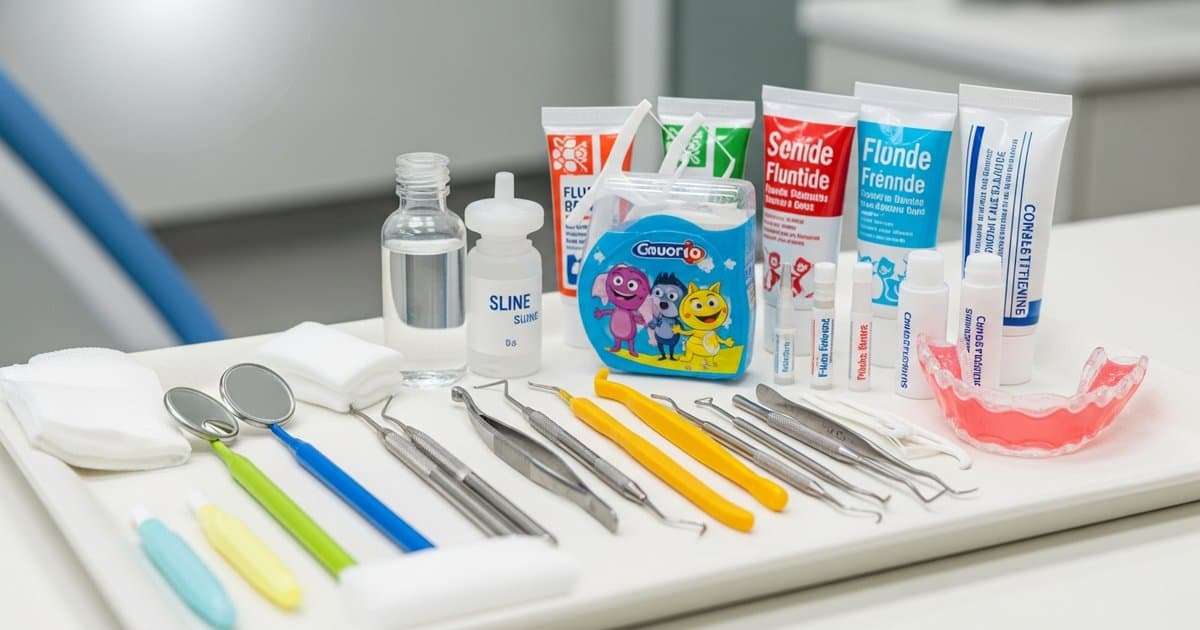
When dental emergencies strike young patients, every second counts. Pediatric dental trauma affects approximately 20-30% of children, with accidents involving teeth becoming one of the most common childhood emergencies. As a pediatric dental practice owner, having a well-stocked trauma kit specifically designed for avulsions, luxations, and crown fractures can mean the difference between saving a child's natural tooth and requiring extensive reconstructive treatment.
Unlike adult dental emergencies, pediatric cases present unique challenges that require specialized equipment, materials, and techniques. Children's teeth are still developing, their cooperation levels vary dramatically, and parents are often highly anxious during these situations. Your emergency preparedness not only affects treatment outcomes but also shapes your practice's reputation in the community when families need you most.
Essential Supplies for Pediatric Dental Avulsions
Tooth avulsion represents one of the most time-sensitive dental emergencies, particularly in permanent teeth. Your trauma kit must include supplies that enable immediate assessment, stabilization, and treatment while accommodating the unique needs of pediatric patients.
Storage and Transport SolutionsThe foundation of avulsion management begins with proper tooth storage. Stock multiple units of Hank's Balanced Salt Solution (HBSS), which maintains cell viability for extended periods. Save-A-Tooth emergency tooth preserving systems provide both storage solution and protective containers that parents can easily use. Additionally, keep cold milk as a backup storage medium, along with saline solution for irrigation.
Splinting Materials for Young PatientsPediatric splinting requires materials that provide adequate stabilization while remaining gentle on developing tissues. Wire-composite splints using 0.016" or 0.018" orthodontic wire paired with light-cure composite work well for most cases. However, consider flexible splinting options like fishing line or specialized pediatric splinting products for younger children who may be less cooperative with rigid splints.
Anesthesia and Pain ManagementChildren experiencing dental trauma are often in significant pain and distress. Stock topical anesthetics in child-friendly flavors, short-acting local anesthetics like lidocaine with epinephrine, and consider nitrous oxide capabilities for anxious young patients. Having pre-loaded carpules ready can speed treatment when working with an upset child.
Documentation and Assessment ToolsInclude digital radiograph supplies, periodontal probes designed for pediatric use, and trauma assessment forms specifically created for documenting pediatric dental injuries. Digital photography equipment helps document the extent of injuries for both treatment planning and potential legal documentation.
As part of your comprehensive emergency preparedness, these avulsion supplies should complement your broader Emergency Supplies Every Pediatric Dental Office Must Stock, ensuring you're ready for any dental emergency that walks through your door.
Managing Luxation Injuries in Children
Luxation injuries – including subluxation, lateral luxation, intrusion, and extrusion – require a different set of tools and approaches compared to complete avulsions. These injuries are particularly common in primary teeth and require careful consideration of the developing permanent tooth beneath.
Repositioning and Stabilization EquipmentLuxated teeth often need gentle repositioning before stabilization. Include dental forceps specifically designed for pediatric use, with smaller beaks and gentler gripping surfaces. Finger pressure alone sometimes suffices for minor luxations, but having the right instruments available enables precise repositioning when necessary.
Flexible Splinting SystemsUnlike avulsed teeth that may require rigid splinting, luxated teeth often benefit from more flexible stabilization that allows for physiologic movement during healing. Consider titanium trauma splints, which offer biocompatibility and appropriate flexibility. Resin-bonded splints using flowable composites can also provide adequate stabilization while being less traumatic to place in anxious children.
Monitoring and Follow-up SuppliesLuxation injuries require frequent monitoring for pulp vitality and proper healing. Stock pulp testing equipment appropriate for children, including electric pulp testers with pediatric-sized probes and thermal testing materials. Cold testing with refrigerant spray or ice sticks often works better than heat testing in pediatric patients.
Primary vs. Permanent Tooth ConsiderationsYour trauma kit should account for the different treatment approaches required for primary versus permanent teeth. Primary teeth with luxation injuries are often monitored rather than repositioned, while permanent teeth typically require active treatment. Having clear protocols and appropriate supplies for both scenarios ensures optimal outcomes regardless of the patient's developmental stage.
Crown Fracture Management and Restoration
Crown fractures represent the most common type of dental trauma in children, ranging from simple enamel chips to complex fractures involving the pulp. Your emergency kit must enable immediate pain relief, pulp protection, and temporary or permanent restoration.
Pulp Protection MaterialsWhen crown fractures expose dentin or approach the pulp, immediate protection is crucial for maintaining pulp vitality. Stock calcium hydroxide liners in both paste and light-cure formulations. Glass ionomer liners provide excellent biocompatibility and fluoride release, making them ideal for pediatric applications. For direct pulp exposures, mineral trioxide aggregate (MTA) or similar bioactive materials can provide pulp capping while allowing for continued root development.
Bonding and Restoration SystemsPediatric crown fracture repairs require materials that bond reliably to young enamel and dentin while withstanding the forces of childhood activities. Your trauma kit should include a reliable bonding system with separate etch, primer, and adhesive components for optimal control in emergency situations.
Composite resin selection becomes critical for pediatric crown fractures. Stock multiple shades of high-quality composite materials suitable for anterior restorations, as most crown fractures in children involve front teeth. For detailed guidance on selecting the most appropriate materials for your practice, refer to our comprehensive guide on Pediatric Composite Materials: Choosing the Right Resin.
Fragment Reattachment SuppliesWhen patients bring fractured tooth fragments to your office, reattachment often provides the best aesthetic and functional outcome. Include cyanoacrylate adhesives and specialized bonding protocols for fragment reattachment. Having magnification available, whether through loupes or a microscope, significantly improves the precision of fragment placement.
Temporary Protection OptionsNot all crown fractures can be definitively treated immediately, particularly when pulp involvement requires monitoring or when patient cooperation is limited. Stock temporary restorative materials like glass ionomer cements, temporary composite materials, and protective varnishes that can provide immediate relief while allowing for definitive treatment at a follow-up appointment.
Behavior Management and Patient Comfort
Pediatric dental trauma cases present unique behavioral challenges that can significantly impact treatment success. Your emergency kit should include supplies and tools that help manage anxious children and distressed parents while enabling effective treatment delivery.
Anxiety Reduction ToolsBeyond traditional pharmacological approaches, consider including comfort items and distraction techniques in your trauma response protocol. Weighted blankets, noise-canceling headphones, tablets with age-appropriate content, and comfort items can help reduce anxiety levels. Some practices find success with aromatherapy using calming scents like lavender in their trauma treatment areas.
Restraint and Safety EquipmentWhile not always necessary, having appropriate protective stabilization devices available ensures safety during emergency procedures when children are uncooperative due to pain or fear. Papoose boards designed for pediatric use, mouth props in various sizes, and bite blocks can prevent injury to both patient and practitioner during emergency treatment.
Communication and Documentation ToolsEffective communication with both child and parent during trauma situations requires preparation. Include visual aids showing treatment procedures, consent forms specifically designed for emergency treatment, and multilingual resources for diverse patient populations. Digital cameras for documentation and tablets for showing treatment progress can help maintain transparency and trust during stressful situations.
Organization and Maintenance Protocols
An emergency trauma kit is only effective if supplies are readily accessible, current, and properly maintained. Establishing systematic organization and maintenance protocols ensures your kit remains ready for any emergency.
Storage and AccessibilityOrganize your trauma supplies in clearly labeled, portable containers that can be quickly transported to any treatment room. Consider having multiple smaller kits strategically located throughout your practice rather than one central kit. Color-coding supplies by type (red for avulsions, blue for luxations, green for fractures) can speed identification during high-stress situations.
Expiration Date ManagementImplement a systematic approach to monitoring expiration dates on all trauma supplies. Many practices use a quarterly review system with clearly marked expiration dates on the outside of containers. Consider using supplies with longer shelf lives when possible, and establish relationships with suppliers who can provide emergency supply delivery when needed.
Staff Training and ProtocolsRegular staff training on trauma kit contents and emergency procedures ensures smooth coordination during actual emergencies. Conduct monthly drills using expired supplies to maintain proficiency and identify any gaps in your preparation. Having written protocols readily available in each trauma kit ensures consistent care delivery regardless of which staff members are available during an emergency.
How TGP Can Help
Managing a comprehensive pediatric dental trauma kit represents a significant investment for practice owners, with high-quality emergency supplies often carrying premium price tags. The Genco Professional (TGP) understands the unique challenges facing pediatric dental practices and offers specialized group purchasing organization (GPO) services designed specifically for your needs.
Through TGP's group purchasing power, pediatric practices typically save 20-30% on the essential trauma supplies discussed in this guide. Our negotiated contracts with leading dental manufacturers ensure you receive the same high-quality materials and equipment at significantly reduced costs. From specialized pediatric composite materials and bonding agents to emergency medications and splinting supplies, TGP's purchasing agreements cover the full spectrum of trauma kit essentials.
Beyond cost savings, TGP provides streamlined ordering processes that help ensure your trauma supplies remain current and well-stocked. Our automated inventory management systems can track expiration dates and trigger reorders before supplies run low, preventing the situation where emergency supplies are expired or unavailable when you need them most.
Additionally, TGP's pediatric dental expertise means we understand which products work best in real-world practice situations. Our team can provide guidance on selecting the most effective and cost-efficient trauma supplies for your specific practice needs, helping optimize both clinical outcomes and practice profitability.
Key Takeaways
• Time-sensitive preparation saves teeth: Having organized, easily accessible trauma supplies can mean the difference between successful tooth preservation and complex reconstructive treatment
• Pediatric-specific considerations matter: Children require different materials, techniques, and behavioral management approaches compared to adult trauma cases
• Comprehensive coverage is essential: Your trauma kit must address avulsions, luxations, and crown fractures with appropriate supplies for each scenario
• Behavior management supplies are crucial: Including anxiety reduction tools and communication aids significantly improves treatment cooperation and outcomes
• Regular maintenance prevents failures: Systematic organization, expiration date monitoring, and staff training ensure your trauma kit performs when needed
• Cost management through group purchasing: Leveraging GPO services like TGP can reduce trauma supply costs by 20-30% while maintaining quality
• Documentation and follow-up supplies matter: Proper assessment tools and monitoring equipment are essential for optimal long-term outcomes
Frequently Asked Questions
What's the most critical supply to have immediately available for pediatric dental trauma?
The most critical supply varies by injury type, but Hank's Balanced Salt Solution (HBSS) for avulsed teeth often represents the highest priority. For avulsed permanent teeth, proper storage in HBSS within the first few minutes dramatically improves the chances of successful replantation. However, topical anesthetic for immediate pain relief runs a close second, as managing a child's pain and anxiety is essential for any subsequent treatment. The key is having both pain management and tooth preservation supplies immediately accessible, as you often won't know the extent of injuries until the child arrives at your office.
How often should I replace supplies in my pediatric trauma kit?
Most trauma kit supplies should be reviewed quarterly, with a complete audit performed every six months. Medications and solutions like HBSS typically have expiration dates ranging from 2-3 years, while materials like composite resins and bonding agents may last 3-5 years when stored properly. However, some items like batteries for equipment, topical anesthetics, and certain emergency medications may need more frequent replacement. Consider creating a rotation system where you use trauma kit supplies for routine procedures as they approach expiration, replacing them with fresh supplies to maintain kit readiness.
Should I stock different trauma supplies for primary versus permanent teeth?
Yes, primary and permanent teeth often require different treatment approaches and supplies. For primary teeth, you'll rely more heavily on monitoring supplies and gentle interventions, as aggressive treatment can damage developing permanent teeth. Stock flexible splinting materials and shorter-term solutions for primary teeth, while maintaining more comprehensive restoration and rigid splinting supplies for permanent teeth. Additionally, primary tooth avulsions are typically not replanted, so focus on soft tissue management and space maintenance supplies rather than tooth preservation solutions for very young patients.