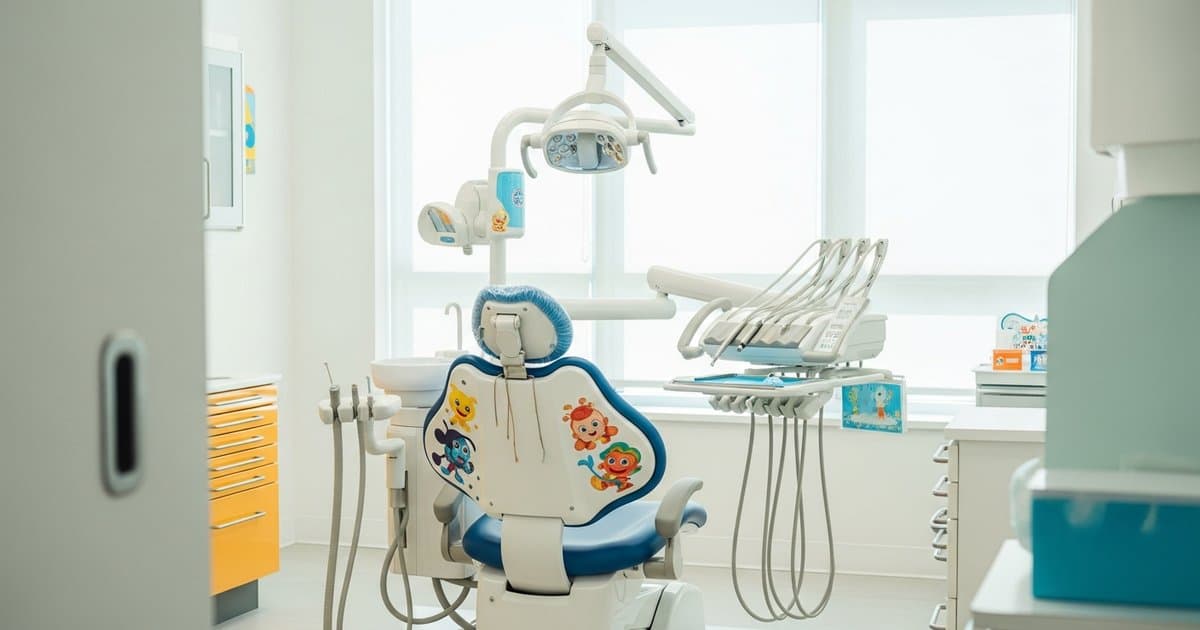
Setting up an in-office pediatric dental laboratory can significantly enhance your practice's efficiency, reduce treatment costs, and improve patient outcomes. For pediatric dental practices, having the ability to fabricate and repair crowns, space maintainers, and other appliances on-site eliminates the delays associated with external lab work and allows for immediate adjustments during patient visits. This comprehensive guide covers everything you need to know about establishing a pediatric dental lab, from essential equipment to specialized tools that cater specifically to young patients' needs.
Core Laboratory Equipment for Pediatric Dental Applications
The foundation of any successful pediatric dental lab begins with selecting the right core equipment. Unlike general dental labs, pediatric-focused laboratories require equipment that can handle smaller dimensions and specialized materials commonly used in children's dentistry.
Dental Lab Handpieces and MotorsA high-quality lab motor system is essential for precise work on pediatric appliances. Look for variable speed motors with excellent torque control, as you'll be working with delicate stainless steel crowns and fine wire components for space maintainers. The Marathon Micro Motor or similar professional-grade systems offer the precision needed for pediatric applications. These motors should accommodate various bur sizes, from large acrylic burs for space maintainer fabrication to fine finishing burs for crown adjustments.
Articulator SystemsWhile pediatric cases may seem straightforward, proper articulation is crucial for successful outcomes. A semi-adjustable articulator like the Whip Mix or Hanau models provides adequate precision for most pediatric applications. Consider investing in pediatric-specific mounting plates and face-bow systems designed for smaller patient anatomy.
Model Trimmers and VibratorsA reliable model trimmer is essential for preparing study models and working casts. Look for units with adequate water flow and dust collection, as you'll be trimming numerous models for space maintainer fabrication and crown work. A quality plaster vibrator ensures bubble-free models, which is particularly important when working with the smaller margins typical in pediatric restorations.
Pressure Pot and Air CompressorFor creating high-quality stone models, a pressure pot system reduces bubbles and improves model accuracy. This is especially critical when fabricating precise-fitting appliances like Space Maintainers: Types, Materials, and Supplies, where accuracy directly impacts retention and patient comfort.
Specialized Equipment for Stainless Steel Crown Work
Stainless steel crowns represent a significant portion of pediatric restorative work, making crown-specific equipment a priority for your lab setup.
Crown and Bridge ScissorsHigh-quality crown and bridge scissors are indispensable for trimming and adjusting stainless steel crowns. Look for scissors specifically designed for metal cutting, with serrated blades that maintain their edge. Hu-Friedy and other leading manufacturers offer pediatric-specific sizes that work well with the smaller crown forms common in children's dentistry.
Crimping and Contouring PliersSpecialized pliers for crimping crown margins and contouring crown anatomy are essential. Ball burnishers and contouring pliers help achieve proper anatomical form and ensure optimal fit. Consider having multiple sizes available, as pediatric crowns range from primary incisors to permanent molars in mixed dentition cases.
Sandblasting EquipmentA small sandblasting unit allows for surface preparation and cleaning of stainless steel crowns before cementation. This equipment is particularly useful for removing oxidation and creating optimal bonding surfaces. Ensure your sandblasting media is appropriate for stainless steel and won't create excessive surface roughness.
Spot Welding EquipmentFor advanced space maintainer fabrication and crown modifications, spot welding equipment enables precise joining of metal components. While not essential for basic crown work, this equipment significantly expands your lab's capabilities for custom appliance fabrication.
Understanding the complete scope of stainless steel crown applications will help you make informed equipment decisions. Our comprehensive Stainless Steel Crowns in Pediatric Dentistry: A Complete Guide provides detailed information on selection, preparation, and placement techniques that will inform your lab setup decisions.
Space Maintainer Fabrication Tools and Materials
Space maintainers represent a unique aspect of pediatric dental lab work, requiring specialized tools and materials not typically found in general dental laboratories.
Wire Bending and Forming ToolsQuality wire bending pliers are essential for creating custom space maintainers. You'll need various tip configurations, including round-nose pliers for loops, flat-nose pliers for precise bends, and specialized orthodontic pliers for complex wire work. Consider investing in a wire bending kit that includes multiple plier types and gauges.
Soldering Equipment and MaterialsProper soldering equipment is crucial for joining wire components to bands and crowns. A gas-air torch or electric soldering unit provides the heat control needed for precise soldering without damaging surrounding materials. Silver solder and appropriate flux materials specifically designed for dental applications ensure strong, biocompatible joints.
Band Material and Forming ToolsStainless steel band material in various widths accommodates different tooth sizes and space maintainer designs. Band-forming pliers and mandrels help create properly contoured bands that fit comfortably and retain well. Pre-formed bands can save time but having the ability to fabricate custom bands expands treatment options.
Acrylic Processing EquipmentSome space maintainer designs incorporate acrylic components for improved retention or patient comfort. Basic acrylic processing equipment, including mixing bowls, spatulas, and curing chambers, enables fabrication of hybrid appliances that combine the strength of metal frameworks with the adaptability of acrylic materials.
Essential Materials and Supplies Inventory
Maintaining an appropriate inventory of materials ensures your lab can handle common pediatric procedures without delays or treatment compromises.
Crown Inventory ManagementStock a comprehensive range of stainless steel crown sizes covering primary and permanent teeth commonly restored in pediatric practice. This includes primary molar crowns in all sizes, primary anterior crowns, and permanent molar crowns for young permanent teeth. Consider pre-formed crowns from multiple manufacturers to ensure optimal fit across different patient anatomies.
Impression Materials and Model MaterialsHigh-quality impression materials designed for pediatric use, including fast-setting alginate and polyvinyl siloxane materials, ensure accurate impressions from young, potentially uncooperative patients. Dental stone and plaster in various setting times accommodate different workflow requirements.
Wire and Metal SuppliesMaintain inventory of stainless steel wire in common gauges (0.032", 0.036", 0.040") used for space maintainer fabrication. Pre-formed wire components like clasps and loops can speed fabrication time for common designs.
Laboratory Burs and Finishing ToolsA comprehensive selection of laboratory burs enables efficient crown adjustment and appliance finishing. Include carbide burs for metal cutting, rubber wheels and points for polishing, and diamond burs for precise adjustments. Organize burs by application to improve workflow efficiency.
Safety and Infection Control Considerations
Pediatric dental labs require special attention to safety and infection control due to the nature of materials used and the patient population served.
Ventilation and Dust ControlProper ventilation removes metal particles, acrylic vapors, and other potentially harmful substances generated during lab procedures. Install adequate exhaust systems near grinding and finishing stations, and consider air filtration systems to maintain clean air throughout the lab space.
Personal Protective EquipmentEnsure adequate supplies of safety glasses, dust masks, and protective clothing for lab personnel. Metal grinding and acrylic processing create hazards that require appropriate protection. Consider face shields for sandblasting operations and heat-resistant gloves for soldering work.
Material Safety and StorageProper storage of chemicals, metals, and other lab materials prevents deterioration and reduces safety risks. Follow manufacturers' guidelines for storage temperatures and conditions, and maintain current safety data sheets for all materials used in the lab.
Sterilization and Disinfection ProtocolsEstablish clear protocols for handling and disinfecting impressions, appliances, and lab equipment. This is particularly important in pediatric practices where infection control is paramount. Designate separate areas for contaminated and sterile materials to prevent cross-contamination.
How TGP Can Help
Setting up a comprehensive pediatric dental lab requires significant investment in quality equipment and materials. The Total Group Practice (TGP) group purchasing organization helps pediatric dental practices reduce these costs by 20-30% through collective buying power and negotiated contracts with leading dental manufacturers.
TGP's purchasing program covers all the essential equipment discussed in this guide, from lab motors and articulators to specialized pediatric instruments and materials. Our dental industry experts understand the unique needs of pediatric practices and can help you prioritize equipment purchases based on your practice volume and treatment mix.
Beyond cost savings, TGP provides ongoing support through equipment training, maintenance programs, and continuous updates on new pediatric dental technologies. Our members gain access to exclusive pricing on consumable supplies like stainless steel crowns, wire materials, and impression materials, ensuring your lab remains cost-effective to operate long-term.
The group purchasing model also provides flexibility in equipment selection, allowing you to choose from multiple manufacturers while still benefiting from volume pricing. This ensures you can select equipment that best fits your practice's specific needs and preferences while maintaining budget consciousness.
Key Takeaways
• Start with core equipment: Invest in quality lab motors, articulators, and model preparation equipment as your foundation
• Prioritize crown-specific tools: Crown scissors, contouring pliers, and surface preparation equipment are essential for stainless steel crown work
• Space maintainer fabrication requires specialized tools: Wire bending equipment, soldering tools, and band-forming instruments enable comprehensive space maintainer services
• Maintain appropriate inventory: Stock crown sizes, wire materials, and consumables based on your practice's case mix and volume
• Don't overlook safety: Proper ventilation, PPE, and infection control protocols protect staff and ensure regulatory compliance
• Consider workflow efficiency: Organize equipment and materials to minimize fabrication time and improve productivity
• Plan for growth: Select equipment that can accommodate increasing case volume and expanding treatment offerings
• Leverage group purchasing: Organizations like TGP can significantly reduce equipment and supply costs through collective buying power
FAQ
What's the minimum equipment investment needed to start a basic pediatric dental lab?
A basic pediatric dental lab setup typically requires $15,000-25,000 in initial equipment investment. This includes a quality lab motor with handpieces ($3,000-4,000), model trimmer ($2,000-3,000), articulator system ($1,500-2,500), basic crown adjustment tools ($1,000-1,500), and space maintainer fabrication equipment ($2,000-3,000). The remaining budget covers initial material inventory, safety equipment, and workspace setup. While this represents a significant investment, most practices see return on investment within 12-18 months through reduced lab fees and improved treatment efficiency.
How much space do I need for an effective pediatric dental lab?
An effective pediatric dental lab requires minimum 100-150 square feet, though 200-250 square feet provides optimal workflow and equipment placement. The space should include dedicated areas for model work, metal fabrication, and finishing procedures. Adequate ventilation is crucial, requiring either direct exhaust to exterior or connection to building HVAC systems. Consider noise levels when selecting location, as lab equipment can be disruptive to patient care areas. Many successful practices convert existing storage areas or incorporate lab space into treatment room design during renovations.
Should I train existing staff or hire a dedicated lab technician?
The decision depends on your practice volume and staff capabilities. For practices fabricating fewer than 20 appliances monthly, training existing clinical staff during slower periods often proves most cost-effective. Dental assistants with good manual dexterity typically adapt well to basic crown adjustments and simple space maintainer fabrication. For higher volume practices, a dedicated part-time or full-time lab technician becomes economically viable and improves efficiency. Consider starting with staff training and transitioning to dedicated technician as volume grows. Either approach requires initial training investment, but properly trained personnel quickly become valuable practice assets.