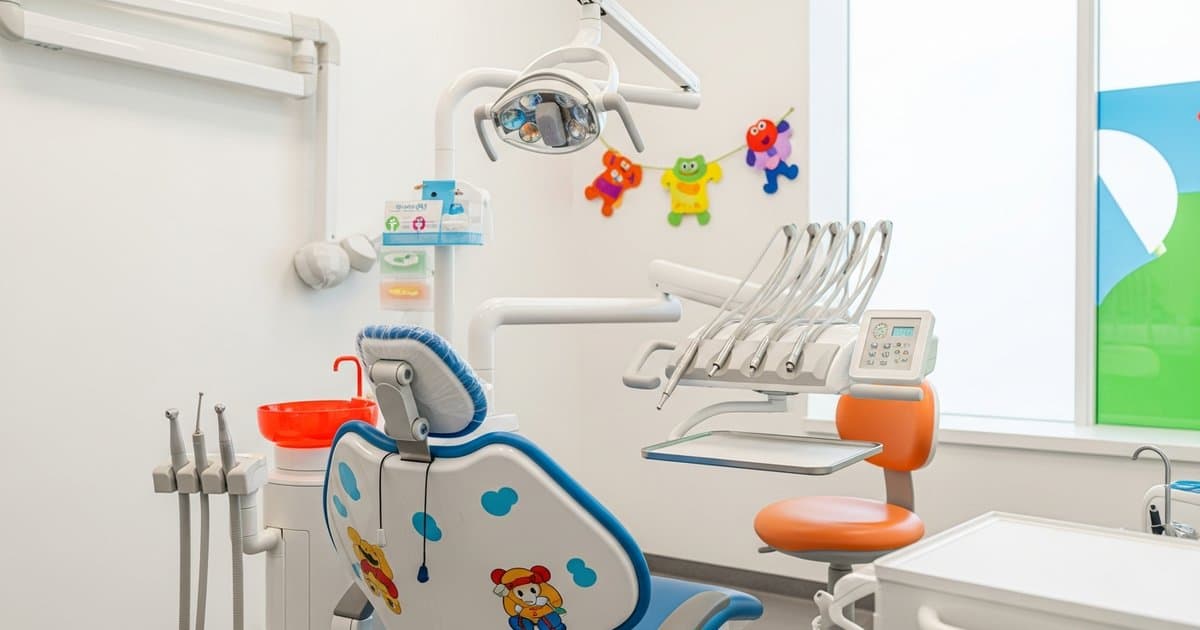
When treating young patients, every detail matters—from the way you approach the dental chair to the specific instruments you use. Pediatric dental handpieces represent one of the most critical tool categories for any children's dental practice, as standard adult-sized handpieces often prove too large, too powerful, or simply inappropriate for small mouths and developing teeth. The right handpiece selection can mean the difference between a comfortable, efficient procedure and a stressful experience that could affect a child's long-term relationship with dental care.
Understanding the Unique Requirements of Pediatric Handpieces
Pediatric dental handpieces differ significantly from their adult counterparts in several key areas. The most obvious distinction is size—children's mouths are smaller, with limited opening capacity and restricted access angles. A handpiece that works perfectly for adult molars may barely fit in a child's mouth, let alone allow for proper visibility and maneuverability.
Beyond size considerations, pediatric handpieces must account for the structural differences in primary teeth. Baby teeth have thinner enamel layers, larger pulp chambers relative to crown size, and different mineral density compared to permanent teeth. These factors require more precise control over cutting speed and torque to prevent accidental pulp exposure or excessive tooth structure removal.
The psychological aspect cannot be overlooked either. Children are naturally more anxious about dental procedures, and the sound, vibration, and visual appearance of handpieces all contribute to their comfort level. Quieter operation and less intimidating designs can significantly improve patient cooperation and overall treatment success.
Modern pediatric handpieces also need to accommodate the rapid treatment pace often necessary in children's dentistry. Young patients have shorter attention spans and limited ability to keep their mouths open for extended periods, making efficiency crucial. The handpiece must deliver consistent performance while allowing for quick, precise work.
Speed and Torque Considerations for Small Patients
The relationship between speed and torque becomes particularly critical when working on primary teeth and young permanent teeth. Standard high-speed handpieces typically operate at 300,000 to 400,000 RPM, which may be excessive for certain pediatric procedures. Many pediatric-specific models offer variable speed control, allowing practitioners to reduce RPM when working on thin enamel or when performing more delicate procedures.
Torque requirements vary significantly between adult and pediatric applications. Primary teeth generally require less torque for effective cutting due to their softer structure, but the handpiece must maintain consistent power delivery even at lower speeds. This is where quality engineering makes a substantial difference—cheaper handpieces often lose torque dramatically as speed decreases, leading to inefficient cutting and longer procedure times.
For restorative procedures on primary teeth, many pediatric dentists prefer handpieces that deliver moderate torque at controlled speeds. This combination provides enough cutting power to efficiently remove carious tissue while minimizing the risk of over-preparation. Electric handpieces often excel in this area, maintaining consistent torque across a wider speed range compared to air-driven alternatives.
When selecting handpieces for pediatric use, consider models with instant speed response and minimal speed decay under load. Children's procedures often involve frequent stopping and starting, and handpieces that quickly return to optimal speed improve overall efficiency. Some manufacturers specifically design pediatric models with enhanced speed stability to address these workflow requirements.
The noise factor associated with different speed ranges also deserves attention. While high-speed handpieces are necessary for certain procedures, having lower-speed options available can help manage patient anxiety, particularly for initial visits or anxious children.
Head Size and Maneuverability in Small Spaces
Head size represents perhaps the most critical factor when selecting pediatric handpieces. Standard handpiece heads often measure 12-13mm in diameter, which can be challenging to maneuver in children's mouths, particularly when accessing posterior teeth or working around limited mouth opening.
Pediatric-optimized handpieces typically feature head diameters of 10-11mm, with some specialized models going as small as 9.5mm. This reduction may seem minimal, but in the confined space of a child's mouth, every millimeter counts for visibility and access. Smaller heads also reduce the intimidation factor, as the handpiece appears less imposing to young patients.
The head design should prioritize not just size but also shape optimization. Rounded, smooth contours reduce the risk of soft tissue trauma and improve patient comfort. Some manufacturers incorporate LED lighting systems into compact head designs, providing excellent illumination without adding bulk. This lighting becomes especially valuable when working in the posterior regions of small mouths where visibility is naturally limited.
Consider the balance between head size and other functional requirements. While smaller heads improve access, they may house less powerful motors or provide reduced water spray coverage. Quality pediatric handpieces achieve optimal balance through advanced engineering, maintaining performance standards while minimizing size.
The angle and length of the head also affect maneuverability. Slightly angled heads can improve access to certain areas, while maintaining enough straight-line visibility for precise work. The head length should be sufficient to reach posterior areas without being so long that it becomes unwieldy in small spaces.
Recommended Handpiece Models for Pediatric Practices
Several manufacturers have developed handpieces specifically designed for pediatric applications, each offering unique advantages for different practice needs and budgets.
KaVo EXPERTtorque LUX stands out as a premium electric handpiece option, featuring a compact 9.8mm head diameter and variable speed control from 100 to 40,000 RPM. The consistent torque delivery across all speed ranges makes it excellent for delicate pediatric procedures, while the integrated LED lighting system provides superior visibility in small mouths. NSK Ti-Max X-SG20L offers an excellent balance of performance and value for pediatric practices. This air-driven model features a 10.4mm head with enhanced water spray patterns optimized for smaller operative sites. The single-spray system reduces water pooling in children's mouths while maintaining adequate cooling. Bien-Air MX-LED represents another strong option, particularly for practices prioritizing durability. The 10.2mm head incorporates a powerful LED system, and the handpiece is designed to withstand the frequent autoclaving required in busy pediatric practices. The balanced weight distribution reduces hand fatigue during longer procedures.For practices seeking budget-friendly options without sacrificing quality, Midwest Tradition handpieces offer reliable performance with pediatric-appropriate head sizes. While lacking some premium features, they provide consistent basic performance suitable for routine pediatric procedures.
When selecting handpieces, consider purchasing multiple units with different speed ranges and characteristics. Having both high-speed and moderate-speed options available allows for procedure-specific optimization and provides backup units for busy practices.
Integration with existing equipment should also influence selection. Ensure compatibility with current dental units, compressor systems, and sterilization equipment. Some handpieces require specific coupling systems or maintenance protocols that may not align with current practice infrastructure.
Maintenance and Sterilization for Pediatric Handpieces
Pediatric dental practices often experience higher patient volumes and more frequent instrument turnover compared to general practices, making maintenance and sterilization protocols particularly important for handpiece longevity and performance.
The frequent use patterns typical in pediatric offices can accelerate wear on handpiece components. Regular maintenance scheduling becomes crucial, with many experts recommending professional servicing every 6-12 months depending on usage volume. Proper daily maintenance, including cleaning and lubrication according to manufacturer specifications, can significantly extend handpiece life and maintain optimal performance.
Sterilization presents unique challenges for pediatric practices. The high turnover rate means handpieces may undergo multiple sterilization cycles daily, which can stress internal components over time. Select handpieces specifically designed for frequent autoclaving, with sealed bearing systems and corrosion-resistant materials.
Consider the total cost of ownership when evaluating handpiece options. While premium models may have higher initial costs, their durability and lower maintenance requirements often provide better long-term value in high-volume pediatric practices. Cheaper alternatives may require more frequent repairs or replacement, ultimately costing more over time.
Establish standardized cleaning protocols to ensure consistent handpiece care across all staff members. Proper pre-cleaning, lubrication, and sterilization procedures not only extend handpiece life but also ensure optimal performance and patient safety. Many handpiece failures stem from inadequate maintenance rather than normal wear.
Keep detailed maintenance records for each handpiece, tracking usage hours, service dates, and performance issues. This data helps identify when units need attention and can reveal patterns that inform future purchasing decisions.
How TGP Can Help
Managing the costs associated with quality pediatric handpieces while maintaining the high standards necessary for children's dental care can be challenging for practice owners. The Group Practice (TGP) addresses this challenge through our specialized group purchasing organization designed specifically for dental practices.
As a TGP member, pediatric dental practices typically save 20-30% on handpiece purchases compared to standard retail pricing. Our group purchasing power allows us to negotiate significant discounts with major manufacturers like KaVo, NSK, and Bien-Air, making premium pediatric-specific handpieces more accessible to practices of all sizes.
Beyond initial purchase savings, TGP membership provides access to discounted maintenance and repair services through our network of authorized service centers. This ongoing support helps pediatric practices maintain their handpiece investments while controlling operational costs. Our members also receive priority access to new pediatric handpiece technologies and exclusive training opportunities to maximize their equipment investments.
TGP's purchasing program extends beyond handpieces to include the complete range of Child-Size Dental Instruments: A Buyer's Guide and other Essential Supplies Every Pediatric Dental Office Needs. This comprehensive approach ensures pediatric practices can maintain consistent cost savings across all their supply needs while accessing the specialized products that make children's dentistry more effective and comfortable.
Our team understands the unique requirements of pediatric practices and can provide personalized recommendations based on specific practice needs, patient volumes, and budget considerations. This consultative approach helps ensure that practices invest in handpieces that truly meet their operational requirements while maximizing cost savings.
Key Takeaways
• Pediatric handpieces require smaller head sizes (typically 10-11mm diameter) compared to adult models for improved access and patient comfort
• Speed and torque control are critical for primary teeth, with many procedures benefiting from variable speed capabilities and consistent low-speed torque
• Electric handpieces often provide superior torque consistency across speed ranges compared to air-driven alternatives
• LED-integrated models improve visibility in small mouths without adding significant bulk to the handpiece head
• Premium models like KaVo EXPERTtorque LUX and NSK Ti-Max X-SG20L offer pediatric-optimized features worth the investment
• Regular maintenance and proper sterilization protocols are essential for handpiece longevity in high-volume pediatric practices
• Total cost of ownership should guide purchasing decisions, as premium handpieces often provide better long-term value
• Group purchasing through organizations like TGP can reduce handpiece costs by 20-30% while providing ongoing support services
Frequently Asked Questions
What's the ideal head size for pediatric dental handpieces?
For most pediatric applications, handpiece head diameters between 10-11mm provide the best balance of access and functionality. Heads smaller than 9.5mm may sacrifice performance, while anything larger than 11mm can become difficult to maneuver in children's mouths. The specific age range of your patient population should influence this decision—practices seeing more toddlers and preschoolers benefit from the smallest practical head sizes, while those treating more school-age children can often work effectively with slightly larger options.
Are electric handpieces worth the extra cost for pediatric practices?
Electric handpieces typically provide superior torque consistency at lower speeds, making them excellent for delicate pediatric procedures. While the initial investment is higher, the improved control and efficiency often justify the cost, particularly for practices performing significant restorative work on primary teeth. The consistent power delivery can reduce procedure times and improve outcomes, leading to better patient experiences and potentially higher practice productivity.
How often should pediatric handpieces be professionally serviced?
Given the high-volume usage typical in pediatric practices, professional servicing every 6-12 months is recommended, depending on usage intensity and manufacturer guidelines. Practices running multiple appointments daily may need more frequent service intervals, while lower-volume practices might extend service periods slightly. Regular professional maintenance prevents costly breakdowns and maintains optimal performance, ultimately protecting your investment and ensuring consistent patient care quality.