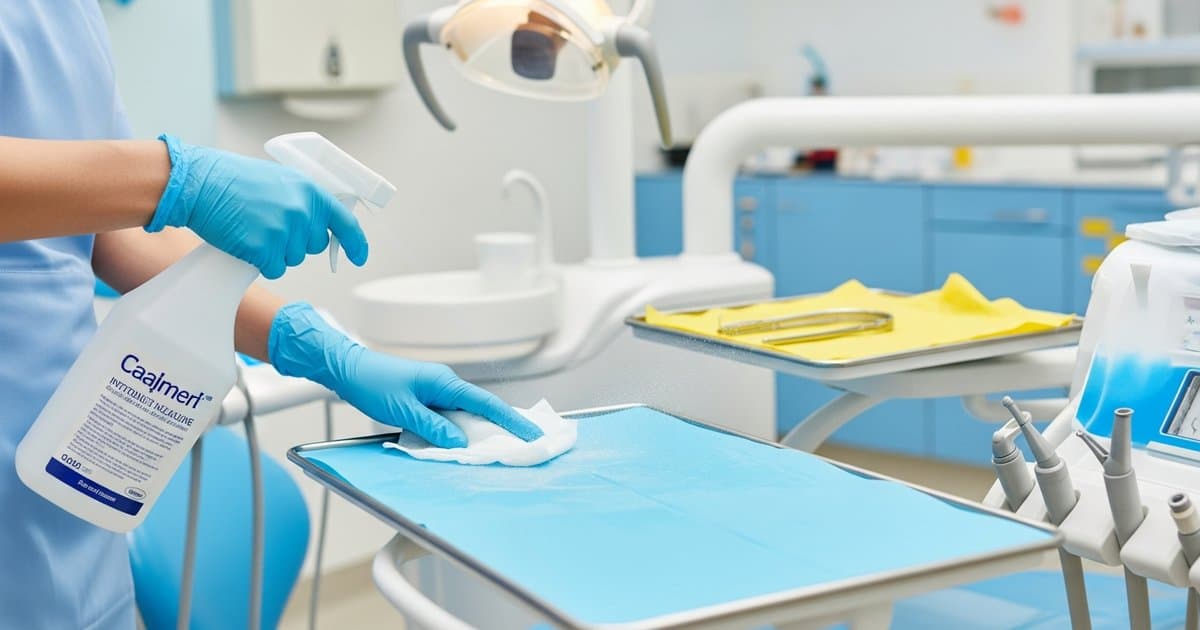
Proper instrument reprocessing stands as one of the most critical aspects of infection control in pediatric dental practices. While the fundamentals of cleaning and disinfection remain consistent across all dental specialties, pediatric practices face unique challenges that make selecting the right instrument cleaning solutions and enzymatic detergents particularly important. Children's smaller mouths, higher anxiety levels, and the need for specialized instruments require practice owners to carefully consider their reprocessing protocols to ensure both safety and efficiency.
The foundation of effective sterilization begins long before instruments enter an autoclave or chemiclave. Pre-cleaning, enzymatic treatment, and proper washing form the essential first steps that determine the success of the entire reprocessing cycle. For pediatric practices, where instrument turnover is often high and contamination risks must be minimized to protect vulnerable young patients, investing in quality cleaning solutions and establishing robust protocols isn't just good practice—it's essential for maintaining the trust of parents and ensuring regulatory compliance.
Understanding the Pre-Cleaning Process for Pediatric Instruments
Pre-cleaning represents the most crucial step in instrument reprocessing, particularly in pediatric dental practices where instruments may encounter everything from baby formula residue to sticky snacks that children consume before appointments. The goal of pre-cleaning is to remove visible debris and prevent the formation of biofilms that can protect microorganisms from subsequent disinfection and sterilization processes.
Immediate attention to contaminated instruments makes the difference between successful reprocessing and compromised sterility. In pediatric practices, this becomes even more critical due to the variety of specialized instruments used, from smaller-sized hand instruments to colorful, child-friendly tools that may have unique cleaning requirements. The presence of blood, saliva, and other biological materials creates an environment where bacteria can rapidly multiply if not addressed promptly.
Effective pre-cleaning solutions should contain surfactants that reduce surface tension, allowing the cleaning agent to penetrate and lift debris from instrument surfaces. Many pediatric practices find success with neutral pH cleaners that are gentle on instruments while still providing effective cleaning action. Products like MetriZyme or Prolystica 2X Concentrate offer excellent pre-cleaning capabilities without the harsh alkaline or acidic properties that can damage delicate pediatric instruments over time.
The mechanical action of pre-cleaning is equally important as the chemical action. Using appropriate brushes and cleaning tools designed for dental instruments ensures that debris is physically removed from crevices and joints where biofilms commonly form. For pediatric practices, investing in a variety of brush sizes accommodates the range of instrument sizes typical in children's dentistry, from tiny explorers used in primary teeth to standard adult-sized instruments used for adolescent patients.
Temperature control during pre-cleaning also deserves attention. While warm water enhances cleaning effectiveness, temperatures above 140°F can cause protein coagulation, making subsequent cleaning more difficult. Pediatric practices often benefit from establishing standardized temperature protocols that staff can easily follow, ensuring consistency in the pre-cleaning process regardless of which team member is handling instrument reprocessing duties.
Enzymatic Cleaners: The Science Behind Effective Debris Removal
Enzymatic detergents represent a significant advancement in dental instrument cleaning technology, offering targeted biological action that breaks down specific types of contamination commonly found in pediatric dental practices. These specialized cleaning agents contain enzymes that catalyze the breakdown of proteins, carbohydrates, and lipids, effectively dissolving organic debris that traditional detergents might leave behind.
The multi-enzyme formulations most effective for dental applications typically include proteases for protein breakdown, amylases for carbohydrate removal, and lipases for fat dissolution. In pediatric practices, where instruments may encounter a wider variety of food particles and biological materials than in adult-focused practices, these comprehensive enzymatic formulations prove particularly valuable. Products like Klenzade or SporGon offer multi-enzyme formulations specifically designed for healthcare instrument cleaning.
Enzymatic cleaners work most effectively within specific pH ranges and temperatures, making proper dilution and application critical for optimal results. Most dental enzymatic cleaners perform best in slightly alkaline conditions (pH 8-10) and at temperatures between 100-140°F. Pediatric practices should establish clear protocols for measuring water temperature and ensuring proper dilution ratios, as variations can significantly impact cleaning effectiveness.
The contact time required for enzymatic action varies depending on the specific formulation and level of contamination. Most enzymatic cleaners require 2-5 minutes of contact time for optimal effectiveness, though heavily soiled instruments may benefit from longer exposure. For busy pediatric practices, this timing consideration becomes important in workflow planning, as rushing the enzymatic cleaning process can compromise the entire reprocessing cycle.
One particular advantage of enzymatic cleaners in pediatric settings is their ability to work effectively in the presence of organic matter that might inhibit other cleaning agents. Children's mouths often contain higher levels of carbohydrates from snacks and drinks, and enzymatic cleaners excel at breaking down these substances that can interfere with subsequent disinfection processes. This makes them an excellent choice for practices that see high volumes of pediatric patients throughout the day.
The biocompatibility of enzymatic cleaners also makes them safer for staff handling during the cleaning process. Unlike harsh chemical cleaners that may cause skin irritation or respiratory issues, most enzymatic formulations are gentler while maintaining superior cleaning effectiveness. This safety consideration is particularly important in pediatric practices where staff may be processing instruments multiple times throughout the day.
Manual Washing Techniques and Best Practices
Despite advances in automated cleaning systems, manual washing remains an essential component of instrument reprocessing in many pediatric dental practices. Proper manual washing techniques ensure thorough cleaning of complex instruments and provide flexibility for handling delicate or specialized pediatric tools that may not be suitable for automated processing.
The selection of appropriate cleaning solutions for manual washing depends on several factors specific to pediatric practices. Low-foaming detergents work best for manual applications, as excessive foam can obscure visual inspection of instruments and interfere with proper rinsing. Products like Prolystica Ultra Concentrate or MetriZyme provide excellent cleaning action while maintaining low foam characteristics that facilitate thorough manual cleaning.
Water quality plays a crucial role in manual washing effectiveness. Hard water can leave mineral deposits on instruments and interfere with cleaning agent performance, while water that's too soft may not provide adequate rinsing action. Pediatric practices should consider water treatment systems if local water quality presents challenges for instrument cleaning. The ideal water for instrument cleaning has a hardness level between 50-150 parts per million and a neutral to slightly alkaline pH.
Proper brush selection and technique are essential for effective manual cleaning. Different instrument types require different cleaning approaches—smooth surfaces can be cleaned with soft-bristled brushes, while textured or serrated instruments may require stiffer bristles for effective debris removal. Pediatric practices should maintain a variety of cleaning brushes, including specialized brushes for cleaning lumens in suction tips and other hollow instruments commonly used in children's dentistry.
The physical technique of manual washing involves systematic coverage of all instrument surfaces, paying particular attention to joints, crevices, and areas where debris commonly accumulates. A consistent approach, such as cleaning from the handle toward the working end, helps ensure thorough coverage and reduces the risk of missed areas. Training staff in proper manual washing techniques and providing regular refresher training helps maintain consistency and effectiveness.
Personal protective equipment during manual washing is particularly important in pediatric practices where staff may be exposed to a variety of pathogens. Utility gloves, protective eyewear, and fluid-resistant gowns provide necessary protection during the manual washing process. Some practices also implement face shields when washing heavily contaminated instruments to prevent splash exposure.
Automated Washer-Disinfector Systems and Detergent Selection
Automated washer-disinfector systems offer significant advantages for pediatric dental practices, providing consistent cleaning results while reducing staff exposure to contaminated instruments. These systems combine mechanical cleaning action with precisely controlled temperature, time, and chemical concentration to achieve reliable instrument cleaning and thermal disinfection in a single automated cycle.
The selection of detergents for automated systems requires careful consideration of several factors unique to pediatric practice needs. Alkaline detergents excel at removing protein-based contamination and are particularly effective for instruments heavily soiled with blood and saliva. However, the high pH of these detergents can be corrosive to certain instrument materials over time. Pediatric practices often benefit from alternating between alkaline and neutral detergents to balance cleaning effectiveness with instrument longevity.
Low-temperature detergents have gained popularity in pediatric practices because they clean effectively at temperatures that won't damage heat-sensitive instruments. Products like Prolystica 2X Concentrate or Cidezyme work effectively at temperatures as low as 100°F while still providing excellent cleaning action. This temperature flexibility is particularly valuable for pediatric practices that use specialized instruments with temperature limitations.
The mechanical design of washer-disinfector systems affects detergent selection and cleaning effectiveness. Spray-arm systems require low-foaming detergents to ensure proper water circulation and instrument exposure. Immersion-style systems can accommodate slightly higher-foaming formulations but still require careful detergent selection to prevent foam interference with cleaning cycles.
Proper loading of washer-disinfectors significantly impacts cleaning effectiveness, regardless of detergent selection. Instruments must be positioned to allow free circulation of water and cleaning solution, with hinged instruments opened and complex devices disassembled according to manufacturer instructions. Pediatric practices often benefit from standardized loading procedures that accommodate the mix of small and standard-sized instruments typical in children's dentistry.
Water quality considerations become even more critical with automated systems, as mineral deposits can build up in spray arms and pumps, reducing system effectiveness over time. Regular maintenance with appropriate descaling agents and water treatment systems helps maintain optimal performance. Some pediatric practices invest in reverse osmosis systems to ensure consistent water quality for their automated cleaning equipment.
The integration of automated washing systems with other reprocessing equipment, such as ultrasonic cleaners for dental instrument processing, creates efficient workflows that minimize handling and maximize cleaning effectiveness. Pediatric practices often find that combining pre-cleaning, ultrasonic cleaning, and automated washing provides the most reliable results for their diverse instrument inventory.
Quality Control and Monitoring for Pediatric Practice Safety
Establishing robust quality control measures for instrument cleaning ensures that pediatric patients receive the highest level of protection from healthcare-associated infections. Monitoring cleaning effectiveness requires both chemical and biological indicators that can verify the success of cleaning protocols and identify potential issues before they compromise patient safety.
Protein indicators provide real-time feedback on cleaning effectiveness by detecting residual protein contamination on instruments after processing. Products like ProSpot or Bionova test systems use colorimetric reactions to reveal protein residues that may not be visible to the naked eye. For pediatric practices, these indicators are particularly valuable because they can quickly identify instruments that require additional cleaning before proceeding to sterilization.
ATP (adenosine triphosphate) testing offers another approach to monitoring cleaning effectiveness by detecting organic residues on instrument surfaces. ATP testing provides quantitative results that can be tracked over time to identify trends in cleaning performance and verify that protocols are working effectively. Some pediatric practices use ATP testing as part of their staff training programs to demonstrate the importance of thorough cleaning and provide immediate feedback on technique.
Documentation of cleaning processes and results is essential for regulatory compliance and quality assurance. Pediatric practices should maintain records of cleaning solution concentrations, water temperatures, contact times, and any quality control test results. This documentation provides valuable data for identifying trends, troubleshooting problems, and demonstrating compliance during inspections or accreditation visits.
Regular evaluation of cleaning protocols should include assessment of both cleaning effectiveness and efficiency. As pediatric practices grow and change, their instrument reprocessing needs may evolve, requiring adjustments to cleaning protocols or solutions. Annual reviews of cleaning procedures, coupled with staff feedback and quality control data, help ensure that protocols remain appropriate and effective.
The connection between effective cleaning and subsequent sterilization cannot be overstated. Even the most advanced sterilization equipment for pediatric dental practices cannot achieve sterility if instruments are not properly cleaned first. This makes investment in quality cleaning solutions and protocols one of the most important decisions pediatric practice owners can make for patient safety.
How TGP Can Help
The Groupe Purchasing Organization (TGP) understands the unique challenges pediatric dental practices face in maintaining effective instrument reprocessing protocols while managing costs. Through our specialized group purchasing power, TGP helps pediatric dental practices save 20-30% on essential cleaning solutions, enzymatic detergents, and reprocessing supplies compared to individual practice purchasing.
Our carefully vetted supplier network includes leading manufacturers of dental cleaning solutions, ensuring that TGP members have access to the highest quality products at significantly reduced prices. Whether your practice needs multi-enzyme cleaners, automated washer-disinfector detergents, or specialized pre-cleaning solutions, TGP's purchasing contracts provide substantial savings on the products discussed throughout this guide.
Beyond cost savings, TGP provides valuable support services that help pediatric practices optimize their instrument reprocessing protocols. Our team works directly with practice owners to assess their current cleaning procedures, identify opportunities for improvement, and recommend cost-effective solutions that enhance both safety and efficiency. This consultative approach ensures that practices not only save money but also implement best practices that protect their young patients.
TGP members also benefit from exclusive access to training resources and continuing education opportunities focused on instrument reprocessing and infection control. These educational programs help practice owners and staff stay current with evolving standards and techniques while maximizing the effectiveness of their cleaning protocols.
Key Takeaways
• Pre-cleaning with appropriate solutions immediately after use prevents biofilm formation and ensures subsequent cleaning effectiveness
• Multi-enzyme cleaners provide superior removal of proteins, carbohydrates, and lipids commonly found in pediatric dental contamination
• Manual washing techniques require proper brush selection, water quality control, and systematic cleaning approaches for optimal results
• Automated washer-disinfector systems offer consistency and staff safety benefits when paired with appropriate low-foaming detergents
• Quality control monitoring through protein indicators and ATP testing verifies cleaning effectiveness and identifies protocol improvements
• Water quality significantly impacts cleaning effectiveness and equipment longevity in both manual and automated systems
• Proper staff training and regular protocol evaluation ensure consistent results and regulatory compliance
• Integration of cleaning protocols with ultrasonic and sterilization equipment creates efficient, effective reprocessing workflows
Frequently Asked Questions
What's the most important factor in selecting cleaning solutions for a pediatric dental practice?
The most important factor is selecting solutions that effectively remove the diverse types of contamination encountered in pediatric dentistry while being gentle on specialized instruments. Multi-enzyme cleaners typically provide the best balance of effectiveness and instrument compatibility. Consider your practice's specific needs—if you see many young children who consume snacks before appointments, prioritize cleaners with strong amylase activity for carbohydrate removal. Also, factor in your staff's safety and ease of use, as consistent application of proper protocols is essential for patient protection.
How often should we test our cleaning effectiveness, and which method is most practical for pediatric practices?
Weekly protein indicator testing provides an excellent balance of thorough monitoring and practical implementation for most pediatric practices. This frequency allows you to catch potential issues quickly while not overwhelming staff with excessive testing requirements. Protein indicators are typically more practical than ATP testing for smaller practices because they're less expensive and don't require specialized equipment. However, practices with high instrument volumes or those seeking more detailed data may benefit from monthly ATP testing supplemented by weekly protein indicator tests on a rotating selection of instruments.
Can we use the same cleaning solutions for both adult and pediatric instruments in a mixed practice?
Yes, the same high-quality cleaning solutions work effectively for both adult and pediatric instruments. The key difference lies in the cleaning protocols rather than the solutions themselves—pediatric instruments may require more frequent cleaning due to higher contamination from food particles, and delicate pediatric-specific instruments may need gentler handling during the cleaning process. Focus on selecting versatile, multi-enzyme cleaners that can handle the full range of contamination types you encounter, and ensure your protocols account for the different sizes and materials of instruments used across your patient population.