Maintaining rigorous infection control standards is crucial for any dental practice, but pediatric offices face unique challenges that require specialized protocols and considerations. Children are more susceptible to infections, often have compromised immune systems, and require additional safety measures to protect both young patients and staff. The CDC's infection control guidelines provide the foundation for safe dental practices, but implementing these standards in a pediatric environment demands careful adaptation and attention to age-specific needs.
Pediatric dental offices must balance creating a welcoming, child-friendly atmosphere with maintaining the highest levels of clinical safety. This means implementing comprehensive cleaning, disinfection, and sterilization protocols while ensuring that safety measures don't create anxiety for young patients. Understanding and properly executing these infection control fundamentals not only protects your patients and staff but also builds trust with parents and ensures compliance with regulatory requirements.
Understanding CDC Guidelines for Pediatric Dental Settings
The Centers for Disease Control and Prevention (CDC) has established comprehensive infection control guidelines specifically designed for dental healthcare settings. These guidelines, outlined in the "Guidelines for Infection Control in Dental Health-Care Settings," provide evidence-based recommendations that must be adapted for the unique needs of pediatric patients.
In pediatric dental offices, the standard precautions take on additional complexity. Children often have difficulty following instructions about not touching surfaces, may have behavioral challenges that increase exposure risk, and frequently require longer appointment times that can increase contamination potential. The CDC emphasizes that all patients should be treated as potentially infectious, but with pediatric patients, this principle becomes even more critical as children may not be able to communicate symptoms or exposure history effectively.
Key CDC principles that require special attention in pediatric settings include:
Hand Hygiene Protocols: Children are naturally curious and touch everything, making hand hygiene even more critical. Staff must perform hand hygiene before and after every patient contact, and pediatric offices should consider implementing fun, engaging hand hygiene demonstrations for young patients and their families. Personal Protective Equipment (PPE): Standard PPE requirements include gloves, masks, protective eyewear, and protective clothing. In pediatric settings, colorful or child-friendly PPE can help reduce anxiety while maintaining protection standards. Some practices find success with themed masks or gloves that make the clinical environment less intimidating. Respiratory Hygiene and Cough Etiquette: Teaching children proper respiratory etiquette requires age-appropriate communication and visual aids. Pediatric offices should have tissues readily available and consider fun educational materials about covering coughs and sneezes.Cleaning and Disinfection Protocols for Child-Friendly Environments
Effective cleaning and disinfection in pediatric dental offices requires a systematic approach that addresses both clinical areas and child-specific spaces like play areas, waiting rooms, and treatment rooms designed with pediatric themes.
Surface Classification and TreatmentClinical contact surfaces in pediatric offices require particular attention due to increased contamination risk from children's natural tendency to touch surfaces. These surfaces should be barrier-protected with FDA-cleared barriers that are changed between patients, or cleaned and disinfected between patients using EPA-registered hospital disinfectants.
High-touch surfaces in pediatric offices extend beyond typical clinical contact surfaces to include:
- Toy cleaning stations and play equipment
- Child-height light switches and door handles
- Colorful equipment covers and decorative elements
- Tablet computers and entertainment devices used for distraction
- Step stools and child-sizing equipment
When selecting disinfectants for pediatric dental offices, consider products that are effective against a broad spectrum of microorganisms while being safe for use around children. Look for EPA-registered hospital disinfectants with pediatric safety data. Products like CaviCide, Lysol IC, and Birex SE are commonly used in pediatric settings due to their efficacy and relatively low toxicity profiles.
Ensure that disinfectants have appropriate contact times and that staff understand the difference between cleaning and disinfection. In pediatric offices, consider the ventilation requirements for chemical disinfectants, as children may be more sensitive to chemical odors and fumes.
Special Considerations for Play AreasPediatric dental offices often include play areas that require unique cleaning protocols. Toys should be made of non-porous materials that can be easily cleaned and disinfected. Implement a toy rotation system where toys are removed after each use, cleaned with soap and water, disinfected with appropriate agents, and allowed to dry completely before returning to play areas.
Consider having separate toy collections for different age groups and ensure that toys are age-appropriate and cannot harbor bacteria in small crevices or porous materials. Fabric toys should generally be avoided unless they can be machine washed and dried at high temperatures.
Sterilization Standards and Equipment Selection
Sterilization represents the highest level of microbial kill and is essential for all reusable dental instruments that enter sterile tissue or the vascular system. Pediatric dental practices must maintain the same rigorous sterilization standards as adult practices while considering the unique instrument needs and workflow requirements of treating children.
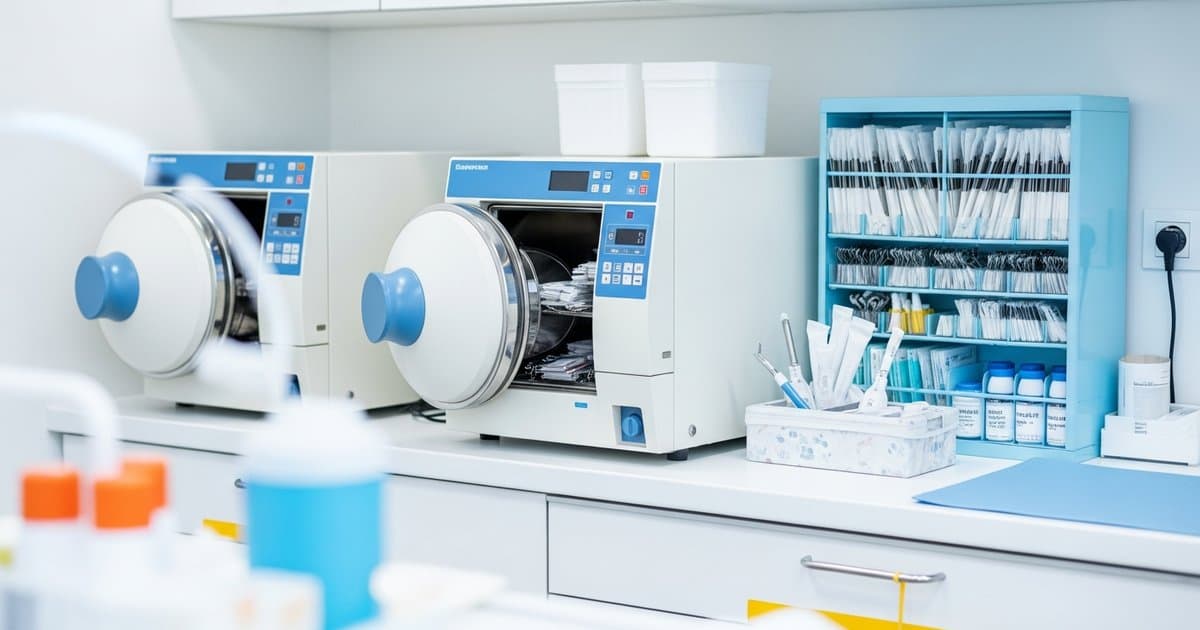
Steam Sterilization RequirementsSteam sterilization using autoclaves remains the gold standard for dental instrument sterilization. For pediatric practices, selecting the right sterilization equipment involves considering factors like instrument load capacity, cycle times, and ease of use for staff managing high patient volumes.
The CDC requires that steam sterilizers used in dental offices meet specific temperature, pressure, and time parameters. Common cycles include:
- 250°F (121°C) for 15-30 minutes depending on load configuration
- 270°F (132°C) for 3-15 minutes for wrapped instruments
- Flash sterilization at 270°F (132°C) for 3-10 minutes for unwrapped instruments (emergency use only)
Pediatric dental instruments often include specialized items like smaller-sized hand instruments, colorful handles to reduce anxiety, and unique restorative materials that may require specific sterilization protocols. Ensure that all pediatric-specific instruments are compatible with steam sterilization and follow manufacturer recommendations for cleaning and sterilization.
Consider the workflow implications of pediatric practice patterns, which often involve shorter appointments and higher patient turnover. This may require multiple instrument sets and careful coordination of sterilization cycles to maintain adequate instrument availability.
Monitoring and DocumentationImplement comprehensive monitoring of sterilization processes using:
- Chemical indicators with every load to detect sterilizer malfunctions
- Biological indicators (spore tests) at least weekly to verify sterilizer effectiveness
- Detailed logs of sterilization cycles, including time, temperature, and load contents
For guidance on selecting appropriate sterilization equipment for your practice needs, consult our detailed autoclave selection guide for dental offices, which covers capacity, features, and regulatory requirements specific to dental practices.
Staff Training and Compliance in Pediatric Settings
Effective infection control requires comprehensive staff training that addresses both general dental infection control principles and pediatric-specific considerations. Training programs should be ongoing, documented, and regularly updated to reflect changes in guidelines and practice protocols.
Initial Training ComponentsNew staff members should receive comprehensive training covering:
- Basic microbiology and disease transmission principles
- Proper hand hygiene techniques and timing
- Correct PPE selection, donning, and doffing procedures
- Cleaning, disinfection, and sterilization protocols
- Waste management and sharps safety
- Exposure control planning and post-exposure procedures
Additional training for pediatric dental staff should address:
- Age-appropriate communication about safety measures
- Managing infection control with uncooperative or anxious patients
- Special protocols for treating immunocompromised children
- Family education about infection control measures
- Creating child-friendly explanations for safety procedures
Establish regular training schedules with monthly safety meetings, quarterly competency assessments, and annual comprehensive reviews. Document all training activities and maintain records of staff compliance with infection control protocols.
Consider appointing an infection control coordinator who stays current with CDC guidelines, regulatory changes, and best practices for pediatric dental infection control. This person can serve as a resource for staff questions and ensure consistent implementation of protocols.
Creating Standard Operating ProceduresDevelop detailed, written protocols for all infection control procedures specific to your pediatric practice. These should include step-by-step instructions, timing requirements, and quality checkpoints. Make these procedures easily accessible to staff and review them regularly during team meetings.
Managing Pediatric-Specific Infection Risks
Pediatric dental patients present unique infection control challenges that require specialized protocols and heightened awareness from dental teams. Understanding these risks and implementing appropriate management strategies is essential for maintaining safe practice environments.
Immunocompromised Pediatric PatientsChildren with compromised immune systems, including those receiving chemotherapy, organ transplant recipients, or patients with genetic immunodeficiencies, require enhanced infection control measures. Consider scheduling these patients at the beginning of the day when the clinical environment is cleanest, and ensure that all staff members are healthy and have received appropriate vaccinations.
Communicate with pediatric patients' physicians to understand specific risk factors and any additional precautions that may be necessary. Some immunocompromised children may require prophylactic antibiotics before dental procedures, and coordination with their medical team is essential.
Behavioral Challenges and Infection ControlChildren with developmental disabilities, autism spectrum disorders, or severe dental anxiety may present behavioral challenges that complicate standard infection control procedures. Develop strategies for maintaining safety protocols while accommodating these patients' needs, such as:
- Using visual schedules to help children understand the sequence of safety procedures
- Implementing desensitization techniques to help children become comfortable with PPE
- Training staff in behavioral management techniques that maintain safety while reducing patient anxiety
- Having backup plans for when standard protocols cannot be followed due to patient behavior
Parents and caregivers play a crucial role in pediatric infection control. Educate families about your practice's safety measures and provide clear instructions for pre-appointment health screening, including when to reschedule appointments due to illness.
Develop age-appropriate educational materials that help children understand why safety measures are important. Consider creating fun, engaging content like coloring books or games that teach about handwashing and staying healthy at the dentist.
How TGP Can Help
Implementing comprehensive infection control protocols in pediatric dental practices requires significant investment in quality supplies, equipment, and ongoing training. The Great Pediatric (TGP) group purchasing organization understands the unique needs of pediatric dental practices and helps members achieve substantial cost savings while maintaining the highest safety standards.
Through TGP's purchasing power and negotiated contracts with leading manufacturers, pediatric dental practices can save 20-30% on essential infection control supplies including:
Cleaning and Disinfection Products: Access discounted pricing on EPA-registered hospital disinfectants, surface cleaners, and specialized pediatric-safe cleaning products. TGP's contracts include popular brands like CaviCide, Lysol IC, and other products specifically tested for safety in pediatric healthcare environments. Personal Protective Equipment: Significant savings on gloves, masks, protective eyewear, and disposable gowns. TGP members can access both standard PPE and child-friendly options that help reduce patient anxiety while maintaining protection standards. Sterilization Supplies: Reduced costs on autoclave accessories, chemical and biological indicators, instrument wraps, and sterilization pouches. TGP's purchasing agreements ensure access to quality products that meet CDC requirements for dental sterilization. Hand Hygiene Products: Discounted pricing on hand sanitizers, antibacterial soaps, and pediatric-friendly hand hygiene products that encourage compliance among young patients and families.Beyond cost savings, TGP provides members with expert guidance on product selection, helping practices choose infection control supplies that meet both safety requirements and pediatric-specific needs. The organization's focus on pediatric dentistry means that recommended products have been tested and proven effective in child-focused dental environments.
TGP also offers educational resources and training materials to help practices implement effective infection control protocols and stay current with evolving guidelines. Members receive regular updates on new products, regulatory changes, and best practices specific to pediatric dental infection control.
Key Takeaways
• Pediatric dental practices must adapt CDC infection control guidelines to address unique challenges of treating children, including increased contamination risk and behavioral considerations
• Effective cleaning and disinfection protocols must extend beyond clinical areas to include play spaces, toys, and child-specific equipment while using pediatric-safe products
• Steam sterilization remains the gold standard for instrument processing, with pediatric practices requiring careful consideration of instrument types, cycle capacity, and workflow demands
• Comprehensive staff training must include both general infection control principles and pediatric-specific protocols, with ongoing education and competency assessment
• Special protocols are necessary for immunocompromised children and patients with behavioral challenges that may complicate standard infection control procedures
• Family education and age-appropriate communication about safety measures help ensure compliance and reduce anxiety while maintaining protection standards
• Investment in quality infection control supplies and equipment is essential, but group purchasing organizations can provide significant cost savings while maintaining safety standards
• Regular monitoring, documentation, and quality assurance measures ensure consistent implementation of infection control protocols and regulatory compliance
Frequently Asked Questions
How often should toys and play area equipment be cleaned and disinfected in a pediatric dental office?
Toys and play area equipment should be cleaned and disinfected after each patient use or at minimum between each patient session. Implement a rotation system where toys are removed immediately after use, thoroughly cleaned with soap and water to remove organic material, then disinfected with EPA-registered products appropriate for the toy material. Allow complete drying before returning items to play areas. For high-traffic days, consider having multiple sets of toys to ensure adequate cleaning time between uses. Non-porous toys made of plastic or metal are preferred as they can be effectively cleaned and disinfected, while fabric toys should be avoided unless they can be machine washed and dried at high temperatures daily.
What special considerations should be made for sterilizing pediatric-sized dental instruments?
Pediatric dental instruments require the same rigorous sterilization standards as adult instruments but may need special handling due to their smaller size and unique designs. Ensure that pediatric instruments are properly secured during sterilization cycles to prevent damage from movement or contact with other instruments. Use appropriate packaging that accommodates smaller instrument sizes while maintaining sterility barriers. Some pediatric instruments with colorful coatings or handles require verification that these materials can withstand repeated steam sterilization cycles without degrading. Always follow manufacturer instructions for cleaning and sterilization, and consider the increased frequency of use in busy pediatric practices when planning instrument inventory and rotation schedules.
How can pediatric dental practices maintain infection control standards while keeping the environment child-friendly and non-intimidating?
Balancing infection control with a child-friendly environment requires creative approaches that maintain safety while reducing anxiety. Use colorful, patterned, or themed disposable barriers and PPE when possible, such as masks with fun prints or colored gloves. Explain safety procedures using age-appropriate language and visual aids, turning hand washing into a game or song. Create designated "clean" play areas with easily sanitized toys and implement visible cleaning routines that children can observe, helping them understand that cleanliness keeps them safe. Train staff to model positive attitudes about safety measures and consider having children participate in simple, safe activities like hand washing demonstrations. Maintain clear sight lines so children can see cleaning and preparation activities, which often reassures both children and parents about the practice's commitment to safety.