When treating young patients, pediatric dental professionals face unique challenges that extend beyond the clinical aspects of care. From managing anxious children to ensuring optimal infection control, every detail matters—including the selection of appropriate examination and surgical gloves. The right glove choice can significantly impact patient comfort, procedural success, and practice safety standards while accommodating the specific needs of pediatric dentistry.
Unlike adult dental practices, pediatric offices must consider factors such as latex allergies in children, the need for enhanced dexterity during delicate procedures on smaller anatomical structures, and the psychological impact of clinical materials on young patients. The glove selection process becomes even more critical when considering that children may have heightened sensitivities to materials and textures, making the practitioner's choice of protective equipment a key component of comprehensive pediatric care.
This comprehensive guide will help pediatric dental practice owners navigate the complex landscape of glove selection, examining the benefits and limitations of nitrile, latex, and vinyl options while providing practical recommendations for different clinical scenarios. Understanding these distinctions will enable you to make informed purchasing decisions that prioritize both patient safety and clinical efficiency.
Understanding Glove Materials and Their Properties
Nitrile Gloves: The Modern Standard
Nitrile gloves have emerged as the gold standard in many pediatric dental practices due to their exceptional combination of safety, durability, and performance characteristics. Manufactured from synthetic rubber, nitrile offers superior puncture resistance—up to three times stronger than latex—making it ideal for procedures involving sharp instruments common in pediatric dentistry.
The latex-free composition of nitrile gloves eliminates the risk of Type I hypersensitivity reactions, a crucial consideration given that latex allergies affect approximately 1-3% of the general population and up to 17% of healthcare workers. For pediatric practices, this translates to enhanced safety for both patients and staff, particularly important since children may have undiagnosed latex sensitivities that could manifest during dental procedures.
Nitrile gloves also demonstrate excellent chemical resistance against common dental materials including acrylates, glutaraldehyde-based disinfectants, and petroleum-based lubricants. This resistance maintains glove integrity throughout procedures, reducing the risk of breakthrough contamination during extended treatments that are often necessary when working with pediatric patients who may require more time and patience.
Latex Gloves: Traditional Performance with Modern Concerns
Natural rubber latex gloves continue to offer superior tactile sensitivity and elasticity, properties that many experienced pediatric dentists value for intricate procedures. The natural rubber composition provides exceptional stretch and recovery characteristics, allowing for precise manipulation during delicate procedures such as pulpotomies or space maintainer placements.
However, the allergenic potential of latex proteins presents significant challenges in pediatric settings. Beyond immediate hypersensitivity reactions, repeated exposure can lead to sensitization in both healthcare workers and patients. The protein content in latex can also cause respiratory symptoms in sensitive individuals, particularly concerning in pediatric patients who may already experience anxiety-related breathing difficulties during dental procedures.
Despite these concerns, powder-free latex gloves remain appropriate for specific applications where enhanced tactile feedback is essential, provided that comprehensive allergy screening has been conducted and appropriate precautions are in place.
Vinyl Gloves: Cost-Effective Solutions with Limitations
Vinyl gloves, constructed from polyvinyl chloride (PVC), represent the most economical option for pediatric dental practices. Their synthetic composition eliminates latex allergy concerns while providing adequate protection for basic examination procedures and non-invasive treatments commonly performed in pediatric dentistry.
However, vinyl gloves exhibit notable limitations in clinical performance. The material demonstrates lower puncture resistance compared to nitrile and latex, potentially compromising barrier protection during procedures involving sharp instruments. Additionally, vinyl gloves may experience increased permeability over time, particularly when exposed to oils and certain chemicals commonly encountered in dental procedures.
For pediatric practices, vinyl gloves may be appropriate for initial examinations, basic prophylaxis procedures, or administrative tasks, but should be avoided for surgical procedures or extended treatments where barrier integrity is paramount.
Selecting Gloves for Different Pediatric Procedures
Examination and Preventive Care Gloves
Routine examinations, cleanings, and fluoride treatments represent the majority of procedures in pediatric dental practices. For these applications, high-quality nitrile examination gloves provide the optimal balance of protection, comfort, and cost-effectiveness. Look for gloves with textured fingertips to enhance grip on wet surfaces and instruments, particularly important when working with anxious children who may move unpredictably.
Consider gloves with extended cuff lengths for procedures involving significant moisture exposure, such as sealant applications or extensive prophylaxis treatments. The additional coverage provides enhanced protection against contamination while maintaining the flexibility necessary for pediatric procedures.
Powder-free options are essential in pediatric settings, as powder residue can cause respiratory irritation in sensitive children and may interfere with bonding procedures commonly performed in pediatric dentistry. Additionally, powder-free gloves reduce the risk of wound contamination and eliminate potential allergic reactions to powder additives.
Surgical and Restorative Procedure Gloves
Surgical procedures in pediatric dentistry, including extractions, pulpotomies, and crown placements, require sterile surgical gloves that provide superior barrier protection and enhanced dexterity. Nitrile surgical gloves typically offer the best combination of these properties, with many manufacturers producing pediatric-specific formulations with improved tactile sensitivity.
For complex restorative procedures requiring extended wear times, consider gloves with advanced polymer formulations that resist degradation from dental adhesives and composite materials. Some specialized nitrile gloves incorporate micro-textured surfaces that maintain grip even when wet, crucial for procedures involving copious irrigation or in the presence of saliva and blood.
When selecting surgical gloves, pay particular attention to sizing accuracy and consistency. Pediatric procedures often require precise motor control, making proper glove fit essential for procedural success and practitioner comfort during extended treatments.
Specialty Considerations for Pediatric Applications
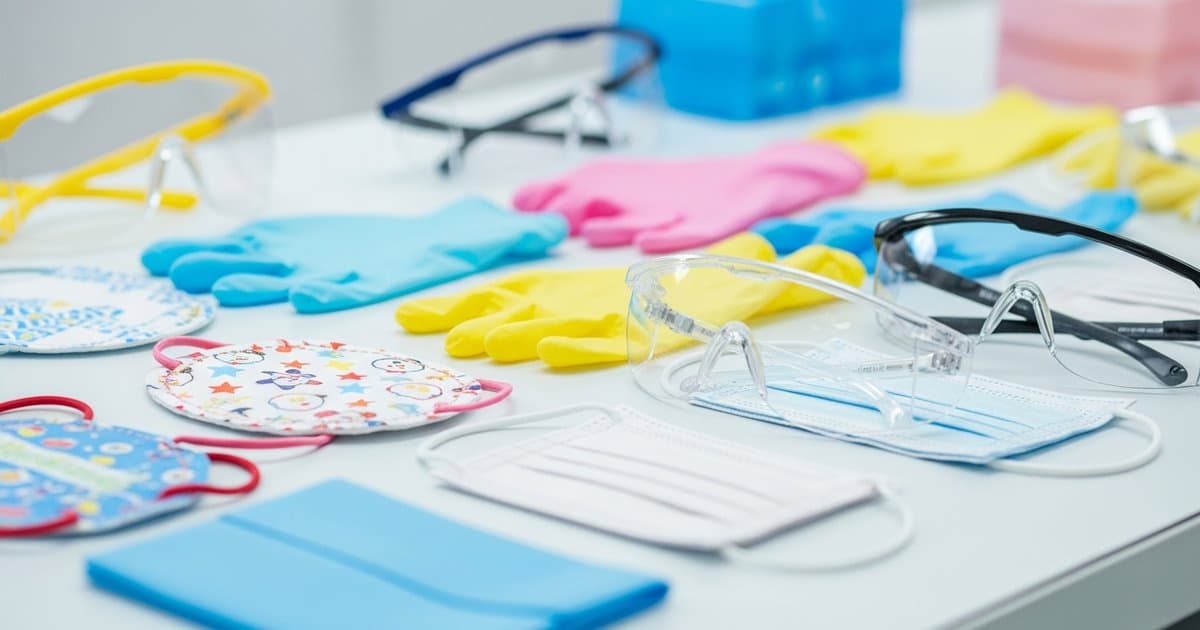
Pediatric dental practices may benefit from colored examination gloves as a practice management tool. Non-traditional colors such as purple, blue, or green can help reduce clinical anxiety in young patients while maintaining professional standards. However, ensure that colored gloves meet the same performance specifications as traditional colors and don't compromise visibility of potential contamination.
For practices treating special needs pediatric patients, consider gloves with enhanced grip characteristics and superior puncture resistance, as these procedures may involve unexpected patient movements or extended procedure times. Some manufacturers offer reinforced gloves specifically designed for challenging clinical situations.
Safety and Infection Control Considerations
Establishing Proper Glove Protocols
Effective glove utilization in pediatric dental practices extends beyond material selection to encompass comprehensive protocols that ensure optimal infection control. Proper PPE Requirements for Pediatric Dental Practices mandate specific procedures for glove donning, use, and removal that minimize contamination risks while accommodating the unique challenges of pediatric dentistry.
Implement standardized procedures for glove changes during multi-step treatments common in pediatric dentistry. For example, during comprehensive treatment sessions that may include examination, prophylaxis, and restorative procedures, establish clear protocols for when glove changes are required to prevent cross-contamination between treatment phases.
Train staff on proper glove inspection techniques, emphasizing the importance of checking for microscopic defects that may not be immediately visible. This is particularly crucial in pediatric settings where procedures may be interrupted by patient management needs, potentially compromising glove integrity through extended wear or inadvertent damage.
Integration with Hand Hygiene Practices
Glove selection must be considered in conjunction with comprehensive hand hygiene protocols to ensure optimal infection control in pediatric dental settings. The interaction between Hand Hygiene Products for Dental Healthcare Workers and glove materials can impact both product performance and skin health, particularly important for practitioners who may wear gloves for extended periods during pediatric procedures.
Select gloves that are compatible with alcohol-based hand sanitizers and antimicrobial soaps commonly used in dental practices. Some glove materials may degrade when exposed to certain hand hygiene products, compromising barrier protection and potentially causing skin irritation that could impact patient care quality.
Consider implementing hand care protocols that address the unique challenges of pediatric dental practice, including frequent glove changes and extended procedure times that may increase skin exposure to moisture and chemicals. This may include the use of protective hand creams and barrier products that are compatible with selected glove materials.
Quality Assurance and Storage Protocols
Implement comprehensive quality assurance protocols for glove storage and handling that account for the environmental conditions common in pediatric dental practices. Temperature fluctuations, humidity variations, and exposure to cleaning chemicals can all impact glove performance and integrity over time.
Establish rotation procedures that ensure older inventory is used first while maintaining appropriate stock levels for different glove types and sizes. Pediatric practices often require a wider range of glove sizes than adult-focused practices, making inventory management more complex but equally important for ensuring optimal fit and performance.
Regular quality testing of glove batches can identify potential issues before they impact patient care. This includes visual inspection for defects, tactile assessment for proper fit and flexibility, and periodic testing for barrier integrity using standardized protocols.
Cost-Effectiveness and Procurement Strategies
Balancing Quality and Budget Considerations
Pediatric dental practices face unique economic pressures that make cost-effective glove selection essential for maintaining profitability while ensuring quality patient care. The higher volume of glove usage typical in pediatric practices—due to frequent glove changes necessitated by patient management needs—amplifies the importance of strategic procurement decisions.
Conduct comprehensive cost-per-procedure analyses that account for factors beyond initial glove cost, including procedure time efficiency, reduced risk of glove failure, and potential cost savings from reduced allergic reactions and associated complications. Higher-quality gloves may justify premium pricing through improved clinical outcomes and reduced liability exposure.
Consider implementing tiered glove selection protocols that match glove specifications to specific procedure requirements. This approach optimizes cost-effectiveness by reserving premium gloves for procedures where their enhanced properties provide measurable benefits while utilizing more economical options for appropriate applications.
Vendor Selection and Supply Chain Management
Establish relationships with suppliers who understand the unique requirements of pediatric dental practices and can provide consistent product quality and availability. Supply chain disruptions can significantly impact practice operations, making supplier reliability a crucial selection criterion alongside product quality and pricing considerations.
Evaluate suppliers based on their ability to provide detailed product specifications, quality documentation, and responsive technical support. This is particularly important for pediatric practices that may encounter unique clinical situations requiring specialized product recommendations or technical guidance.
Consider suppliers who offer flexible ordering options and inventory management support, allowing practices to optimize stock levels while ensuring availability of required products. Some suppliers provide automated ordering systems that can help manage the complex inventory requirements typical of pediatric dental practices.
Long-Term Cost Management
Implement usage tracking systems that monitor glove consumption patterns across different procedures and practitioners. This data can inform procurement decisions and identify opportunities for cost optimization without compromising patient care quality or safety standards.
Regular market analysis can identify emerging products or suppliers that may offer improved value propositions for pediatric dental applications. The glove market continues to evolve with new materials and manufacturing techniques that may provide enhanced performance or cost advantages.
Consider participating in group purchasing initiatives that leverage collective buying power to achieve better pricing on high-quality glove products. Many pediatric dental practices have achieved significant cost savings through collaborative procurement while maintaining access to premium products.
How TGP Can Help
The Giving Practice (TGP) understands the unique challenges pediatric dental practices face when sourcing high-quality protective equipment while managing costs effectively. As a specialized group purchasing organization focused on dental practices, TGP leverages collective buying power to help pediatric dental professionals access premium glove products at significantly reduced costs.
Through TGP's extensive network of vetted suppliers, pediatric dental practices can save 20-30% on examination and surgical gloves without compromising on quality or safety standards. Our procurement specialists work directly with leading manufacturers to negotiate volume pricing that individual practices cannot achieve independently, passing these savings directly to our members.
TGP's supplier network includes manufacturers specializing in pediatric healthcare applications, ensuring access to gloves specifically designed for the unique requirements of pediatric dental procedures. This includes specialty products such as colored examination gloves, enhanced-grip surgical gloves, and hypoallergenic formulations that may not be readily available through traditional distribution channels.
Beyond cost savings, TGP provides comprehensive product evaluation and selection support to help pediatric dental practices make informed glove choices. Our team maintains current knowledge of product innovations, regulatory changes, and best practice recommendations specific to pediatric dental applications, providing members with expert guidance that extends far beyond simple price comparisons.
The convenience of consolidated ordering through TGP's platform simplifies inventory management for busy pediatric practices while ensuring consistent availability of preferred products. Our automated ordering systems can be customized to match individual practice consumption patterns, reducing administrative burden while maintaining optimal stock levels across all glove types and sizes.
Key Takeaways
• Nitrile gloves offer the best overall performance for pediatric dental applications, providing superior puncture resistance, chemical compatibility, and latex-free safety
• Proper glove selection must consider procedure-specific requirements, with examination gloves appropriate for routine care and surgical gloves essential for invasive procedures
• Latex allergies represent a significant concern in pediatric dentistry, making latex-free alternatives the safer choice for most practice applications
• Cost-effectiveness requires balancing initial product costs with performance characteristics, procedure efficiency, and risk management considerations
• Quality assurance protocols for glove storage, handling, and usage are essential for maintaining infection control standards in pediatric dental practices
• Comprehensive staff training on proper glove protocols ensures optimal patient safety and practice compliance with regulatory requirements
• Strategic procurement through group purchasing organizations can achieve significant cost savings while maintaining access to high-quality products
• Regular evaluation of glove performance and emerging product innovations helps optimize practice protocols and cost management strategies
FAQ
What are the most important factors to consider when selecting gloves for pediatric dental procedures?
The primary considerations for pediatric dental glove selection include latex allergy prevention, appropriate barrier protection for the intended procedure, proper sizing for optimal dexterity, and compatibility with common dental materials and disinfectants. Additionally, consider patient comfort factors such as texture and color, as these can impact the clinical experience for anxious young patients. Cost-effectiveness should be evaluated based on overall procedure efficiency and safety outcomes rather than initial product cost alone.
How often should gloves be changed during extended pediatric dental procedures?
Gloves should be changed immediately if puncture, tear, or contamination occurs, and routinely every 60-90 minutes during extended procedures to maintain optimal barrier protection. In pediatric dentistry, additional glove changes may be necessary when transitioning between different treatment phases, after managing patient behavioral issues that may compromise glove integrity, or when switching between different materials or instruments that could affect glove performance. Always change gloves when leaving and returning to the treatment area, as pediatric procedures often involve multiple interruptions for patient management.
Are colored gloves as effective as traditional white or clear gloves for infection control?
High-quality colored examination gloves manufactured to the same specifications as traditional colors provide equivalent barrier protection and infection control properties. However, colored gloves may make it more difficult to detect certain types of contamination or assess patient tissue color during procedures. When selecting colored gloves, ensure they meet the same ASTM or EN standards as traditional gloves and consider using them primarily for examination and basic procedures rather than surgical applications where maximum visibility is essential.