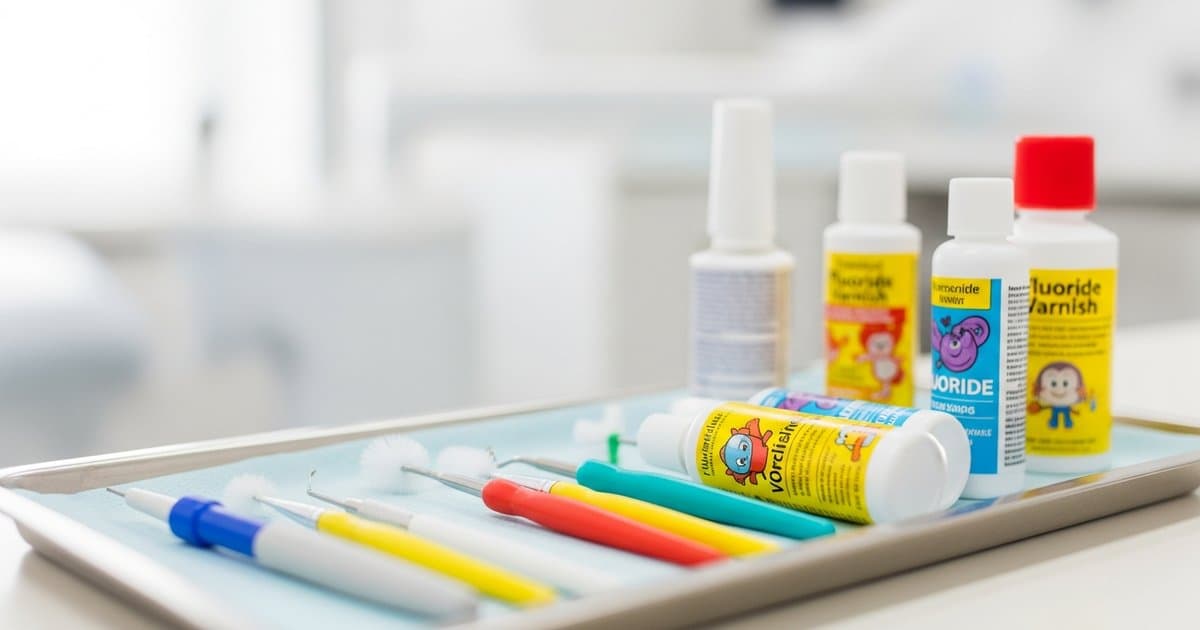
Fluoride varnish application has become a cornerstone of preventive dentistry in pediatric practices, offering an effective method to prevent tooth decay while building positive relationships with young patients. As cavity rates continue to rise among children, implementing evidence-based fluoride varnish protocols can significantly impact your practice's preventive success rates. This comprehensive guide will help you navigate the various fluoride varnish products available, establish optimal application techniques, and develop protocols that maximize both clinical outcomes and patient satisfaction in your pediatric dental practice.
Understanding Fluoride Varnish: The Science Behind Prevention
Fluoride varnish represents one of the most effective topical fluoride treatments available to pediatric dental practices. Unlike traditional foam or gel applications that require trays and extended contact time, varnish adheres to tooth surfaces for hours, providing sustained fluoride release and enhanced remineralization potential. The concentration of fluoride in varnish formulations typically ranges from 22,600 ppm (5% sodium fluoride) to 22,500 ppm, making it significantly more concentrated than over-the-counter fluoride products.
The mechanism of action involves the gradual release of fluoride ions, which become incorporated into tooth enamel as fluorapatite. This process not only strengthens existing tooth structure but also reverses early stages of demineralization. For pediatric patients, this is particularly important as their developing teeth are more susceptible to decay and more responsive to fluoride intervention.
Research consistently demonstrates that fluoride varnish applications can reduce cavities by 33-46% in primary teeth and 20-40% in permanent teeth. The American Academy of Pediatric Dentistry (AAPD) and the American Academy of Pediatrics both recommend fluoride varnish applications every 3-6 months for children at elevated risk of developing cavities, with some high-risk patients benefiting from more frequent applications.
Clinical studies have also shown that fluoride varnish is particularly effective in arresting early cavities and preventing new decay formation around existing restorations. This makes it an invaluable tool for managing the complex oral health needs of pediatric patients, especially when combined with other preventive measures outlined in our comprehensive guide to Preventive Dentistry Supplies for Pediatric Practices.
Comparing Top Fluoride Varnish Brands and Products
The fluoride varnish market offers numerous options, each with distinct characteristics that may influence your selection based on patient needs, practice preferences, and cost considerations. Understanding the key differences between leading brands will help you make informed decisions about which products to incorporate into your practice protocols.
3M™ Vanish™ XT Extended Contact Varnish stands out for its unique tri-calcium phosphate technology, which provides additional benefits beyond traditional sodium fluoride formulations. The white color makes it easy to visualize application coverage, and patients appreciate its pleasant taste options. The extended-contact formula remains on teeth longer than many competitors, potentially enhancing fluoride uptake. However, the higher cost per unit may be a consideration for high-volume practices. Duraflor® 5% Sodium Fluoride White Varnish offers excellent value and has established itself as a reliable choice for many pediatric practices. Its neutral pH minimizes tooth sensitivity, and the white color provides good visibility during application. The varnish sets quickly upon contact with saliva, reducing patient discomfort and chair time. The cost-effectiveness makes it particularly attractive for practices serving large numbers of patients or those participating in public health programs. Colgate® Duraphat® represents one of the most researched fluoride varnishes globally, with extensive clinical documentation supporting its efficacy. The natural tooth-colored appearance is less noticeable to patients and parents, which can be advantageous for aesthetic-conscious families. However, the amber color can make it challenging to ensure complete coverage during application, particularly in posterior regions. Voco Profluorid Varnish provides excellent adhesion properties and comes in multiple flavor options that are particularly well-received by pediatric patients. The smooth consistency makes application straightforward, and it demonstrates good retention on tooth surfaces even in the presence of saliva. The packaging in single-dose tubes helps maintain consistency in application amounts and reduces waste.When selecting fluoride varnishes for your practice, consider factors beyond just efficacy and cost. Patient acceptance, ease of application, visibility during placement, and shelf stability all impact the practical success of your fluoride varnish program. Many successful pediatric practices maintain two or three different varnish options to accommodate varying patient needs and clinical situations.
Evidence-Based Application Techniques and Best Practices
Proper application technique significantly influences the effectiveness of fluoride varnish treatment and patient acceptance. Developing standardized protocols ensures consistent results across all team members while maximizing the preventive benefits for your patients.
Pre-application preparation sets the foundation for successful treatment. While extensive cleaning isn't necessary, removing visible plaque and debris with gauze or a toothbrush improves varnish adherence. For pediatric patients, this step also serves as an opportunity to demonstrate proper oral hygiene techniques and build rapport. Isolating the treatment area with cotton rolls or gauze helps manage saliva and provides better access, though the level of isolation needed is less stringent than for restorative procedures. Application technique should be systematic and thorough. Using a small brush applicator or the manufacturer's recommended delivery system, apply a thin, even layer to all tooth surfaces. For primary teeth, pay particular attention to interproximal areas and the gingival third of teeth where decay commonly initiates. The amount needed is minimal – typically 0.3-0.5ml for a full-mouth application in pediatric patients. Applying too much varnish doesn't improve efficacy and may increase the likelihood of patient discomfort or gastrointestinal upset if swallowed. Managing pediatric-specific challenges requires patience and creativity. Young children may resist having their mouths open for extended periods, so efficient application becomes crucial. Consider dividing the mouth into quadrants for very young patients, allowing brief breaks between sections. Using flavored varnishes and positive reinforcement helps maintain cooperation. For anxious patients, explaining the process in age-appropriate terms and allowing them to see or smell the varnish beforehand can reduce fear and resistance. Post-application instructions are critical for maximizing treatment benefits. Patients should avoid hard or sticky foods for 4-6 hours and refrain from brushing teeth until the next morning. Drinking room temperature liquids is acceptable, but hot beverages should be avoided for several hours. For pediatric patients, providing written instructions to parents ensures proper post-treatment care and helps explain any temporary changes in tooth appearance.Quality assurance measures should include regular calibration of application techniques among team members and periodic assessment of varnish retention at follow-up appointments. Documenting application dates, products used, and patient responses helps track treatment effectiveness and identify any patterns that might indicate need for protocol adjustments.
Developing Age-Specific Protocols for Pediatric Patients
Creating age-appropriate fluoride varnish protocols maximizes treatment effectiveness while ensuring positive patient experiences across different developmental stages. Understanding the unique needs and challenges of various age groups allows you to tailor your approach for optimal outcomes.
Infants and toddlers (6 months to 2 years) present unique considerations for fluoride varnish application. The American Academy of Pediatrics recommends fluoride varnish applications beginning with the eruption of the first tooth. For this age group, knee-to-knee positioning often works best, with the child sitting on the parent's lap facing the clinician. Applications should be quick and efficient, focusing on visible tooth surfaces. The small amount of varnish used and the quick-setting properties make fluoride varnish much more manageable than other fluoride treatments for very young children. Preschoolers (3-5 years) typically tolerate fluoride varnish well but may require behavior management techniques to maintain cooperation. Using tell-show-do methods, allow children to see the brush and smell the varnish before application. Creating positive associations through stickers, praise, or small rewards helps build acceptance for future treatments. For children with multiple cavities or high caries risk, consider more frequent applications every 3 months rather than the standard 6-month interval. School-age children (6-12 years) often cooperate well with fluoride varnish applications and can understand explanations about the preventive benefits. This age group is ideal for education about oral hygiene and diet, making fluoride varnish appointments opportunities for comprehensive prevention counseling. Pay particular attention to newly erupted permanent molars, which are at highest risk for decay during the first few years after eruption. Adolescents (13+ years) may be more conscious about the temporary appearance changes from fluoride varnish, making clear or tooth-colored formulations preferable. This age group often has increased caries risk due to dietary changes, orthodontic appliances, or decreased parental supervision of oral hygiene. Discussing the cosmetic and health benefits of prevention can improve treatment acceptance. Special needs considerations may require protocol modifications regardless of age. Patients with developmental disabilities, autism spectrum disorders, or medical complexities might need shorter appointments, additional behavior support, or modified positioning. Some patients may benefit from pre-medication or the use of protective stabilization when appropriate and consented. Having flexible protocols that can be adapted to individual needs ensures that all patients in your practice can benefit from fluoride varnish therapy.Risk assessment should guide application frequency for all age groups. High-risk patients may benefit from applications every 3 months, while moderate-risk patients typically receive treatment every 6 months. Low-risk patients might receive annual applications or have fluoride varnish incorporated into routine cleaning visits. Regular reassessment of risk factors ensures that your protocols remain appropriate as patients' circumstances change.
Integration with Comprehensive Preventive Care
Fluoride varnish works most effectively as part of a comprehensive preventive care strategy rather than as a standalone treatment. Understanding how to integrate varnish applications with other preventive measures and treatments maximizes the oral health benefits for your pediatric patients.
Combining with other fluoride therapies requires careful consideration of total fluoride exposure. For patients already using prescription fluoride toothpaste or rinses, fluoride varnish remains safe and beneficial, but documentation of all fluoride sources helps ensure appropriate dosing. In some cases, fluoride varnish may be used in conjunction with Silver Diamine Fluoride (SDF) in Pediatric Dentistry for comprehensive management of active decay processes, though timing and sequencing of these treatments should follow evidence-based protocols. Coordinating with dental cleanings can improve efficiency and patient acceptance. Many practices apply fluoride varnish immediately following professional cleanings, taking advantage of the clean tooth surfaces and established patient cooperation. However, varnish can be applied over light plaque accumulation, making it suitable for patients who might not tolerate extensive cleaning procedures. Incorporating into recall systems ensures consistent delivery of preventive care. Electronic health record systems can be programmed to trigger fluoride varnish recommendations based on patient risk factors, previous application dates, and clinical findings. This systematic approach helps prevent missed opportunities and ensures that high-risk patients receive appropriate treatment frequencies. Staff training and delegation considerations vary by state regulations, but many jurisdictions allow trained auxiliary personnel to apply fluoride varnish under appropriate supervision. This can improve practice efficiency and reduce costs while maintaining quality care. Regular training updates ensure that all team members stay current with best practices and safety protocols. Documentation and billing requirements should be clearly established to ensure proper record-keeping and appropriate reimbursement. Most insurance plans cover fluoride varnish applications for pediatric patients, but age limitations and frequency restrictions vary. Proper documentation supports medical necessity and helps with any insurance inquiries or audits.How TGP Can Help
The Group Practice (TGP) understands that managing supply costs while maintaining high-quality patient care represents one of the biggest challenges facing pediatric dental practices today. As a specialized group purchasing organization serving dental practices nationwide, TGP leverages collective buying power to help members save 20-30% on fluoride varnish products and related preventive supplies.
Our dental supply experts work directly with major manufacturers like 3M, Duraflor, Colgate, and Voco to negotiate exclusive pricing that individual practices cannot achieve independently. These savings extend beyond just unit costs to include reduced shipping expenses, volume discounts, and access to new product samples and training materials. For practices implementing comprehensive fluoride varnish programs, these savings can amount to thousands of dollars annually.
TGP membership also provides access to detailed product comparisons, clinical research summaries, and implementation support that helps practices select the most appropriate fluoride varnish products for their patient populations. Our team regularly evaluates new products entering the market and provides unbiased assessments based on clinical evidence, cost-effectiveness, and member feedback.
Additionally, TGP's purchasing power extends to the full range of preventive dentistry supplies needed to support comprehensive pediatric care, from disposable brushes and prophy paste to patient education materials and behavior management tools. This comprehensive approach to supply management allows practice owners to focus on patient care while ensuring access to high-quality materials at the most competitive prices available.
Key Takeaways
• Fluoride varnish application represents one of the most effective preventive treatments available in pediatric dentistry, reducing cavities by 20-46% across different tooth types and age groups
• Product selection should consider factors including efficacy, cost, patient acceptance, ease of application, and visibility during placement, with many successful practices maintaining multiple options
• Evidence-based application techniques emphasize proper preparation, systematic coverage, age-appropriate behavior management, and clear post-treatment instructions
• Age-specific protocols should address the unique developmental, behavioral, and clinical needs of different pediatric populations while maintaining flexibility for special circumstances
• Integration with comprehensive preventive care maximizes treatment benefits and practice efficiency through coordinated recall systems, staff training, and proper documentation
• Risk-based treatment frequency recommendations range from every 3 months for high-risk patients to annual applications for low-risk individuals
• Combining fluoride varnish with other preventive measures and treatments requires careful planning but significantly enhances overall oral health outcomes
Frequently Asked Questions
How often should pediatric patients receive fluoride varnish applications, and what factors influence this decision?
The frequency of fluoride varnish applications should be based on individual patient risk assessment rather than a one-size-fits-all approach. High-risk patients typically benefit from applications every 3-4 months, while moderate-risk patients receive treatment every 6 months, and low-risk patients may need only annual applications. Factors influencing frequency include cavity history, dietary habits, oral hygiene quality, fluoride exposure from other sources, medical conditions affecting oral health, and presence of orthodontic appliances. The American Academy of Pediatric Dentistry recommends that practitioners assess caries risk at regular intervals and adjust treatment frequencies accordingly, as risk factors can change over time due to developmental, behavioral, or environmental changes.
Can fluoride varnish be safely applied to very young children, and are there special considerations for infants and toddlers?
Yes, fluoride varnish is considered safe and effective for children beginning with the eruption of their first tooth, typically around 6 months of age. The small amount of varnish used (0.1-0.3ml for primary teeth) and its adherent properties minimize the risk of ingestion compared to other topical fluoride treatments. Special considerations for very young children include using knee-to-knee positioning for better control and visibility, applying varnish quickly to minimize distress, focusing on accessible tooth surfaces, and providing clear instructions to parents about post-application care. The quick-setting nature of fluoride varnish makes it particularly suitable for young children who cannot cooperate for extended periods, and the lack of required trays or suction makes the procedure much more tolerable than traditional fluoride treatments.
What should patients and parents expect after fluoride varnish application, and when should they be concerned about adverse reactions?
After fluoride varnish application, patients and parents should expect the varnish to appear as a thin, slightly yellow or clear coating on the teeth that will gradually wear off over several hours to days. Normal post-application effects include a temporary change in tooth color, a slightly sticky or rough feeling on teeth, and possibly a mild taste that dissipates quickly. Patients should avoid hard, sticky, or hot foods for 4-6 hours and refrain from brushing until the next morning to maximize fluoride uptake. Parents should contact the practice if children experience persistent nausea, vomiting, or signs of allergic reaction such as rash or difficulty breathing, though such reactions are extremely rare. Most children tolerate fluoride varnish very well, and any minor discomfort typically resolves within hours of application.