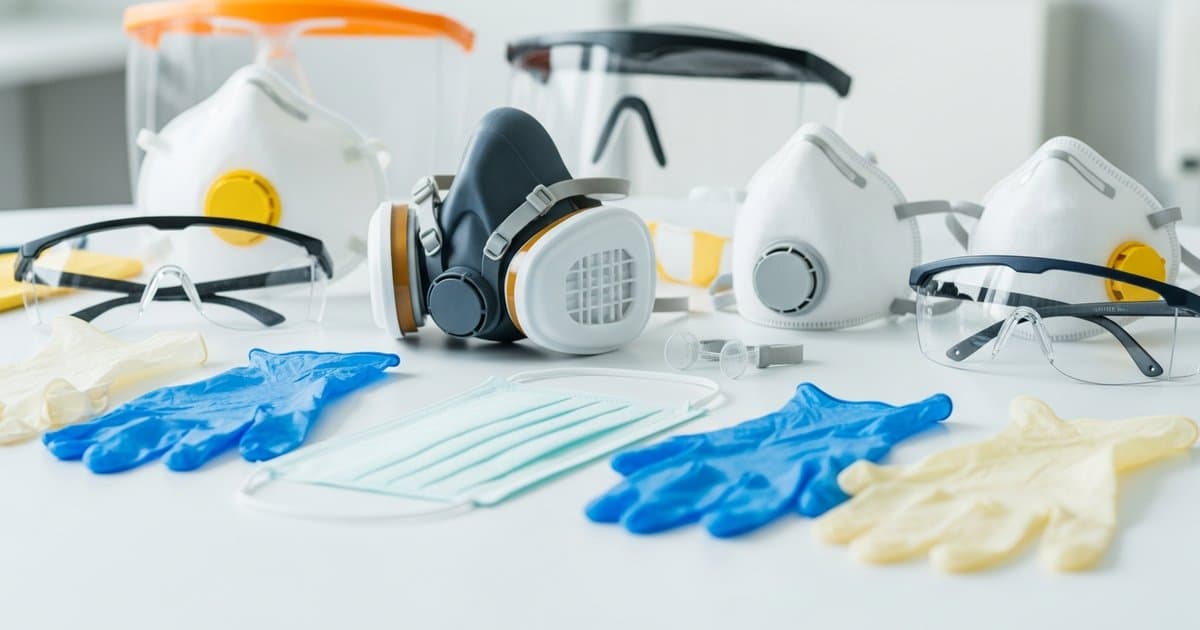
The selection of appropriate face masks and respirators represents one of the most critical safety decisions pediatric dental practices make daily. Unlike adult dentistry, pediatric procedures often involve unpredictable patient movements, higher stress levels, and unique aerosol generation patterns that demand specialized protective equipment considerations. Understanding ASTM filtration levels, N95 specifications, and upgrade criteria ensures your team maintains optimal protection while delivering exceptional care to young patients.
Understanding ASTM Mask Levels and Standards
The American Society for Testing and Materials (ASTM) has established three distinct levels for surgical masks, each designed for specific clinical applications. These standards evaluate fluid resistance, bacterial filtration efficiency (BFE), particulate filtration efficiency (PFE), and breathability—all crucial factors in pediatric dental settings.
ASTM Level 1 masks provide basic protection with moderate bacterial filtration efficiency (≥95%) and minimal fluid resistance. These masks work well for routine examinations, consultations, and low-aerosol procedures common in pediatric practices. However, their limited fluid resistance (80 mmHg) makes them unsuitable for procedures involving significant splatter or spray. ASTM Level 2 masks offer enhanced protection with high bacterial filtration efficiency (≥98%) and moderate fluid resistance (120 mmHg). These masks suit most pediatric dental procedures, including routine cleanings, fluoride treatments, and minor restorative work. The improved fluid resistance helps protect against the unpredictable splashing that can occur when working with anxious or uncooperative young patients. ASTM Level 3 masks provide maximum protection with high bacterial filtration efficiency (≥98%) and superior fluid resistance (160 mmHg). These masks are essential for aerosol-generating procedures, surgical interventions, and situations where significant fluid exposure is anticipated. In pediatric practices, Level 3 masks prove particularly valuable during sedation procedures, extractions, or when managing patients with special healthcare needs who may require more intensive interventions.When selecting ASTM-rated masks for your pediatric practice, consider the specific challenges of working with children. Young patients often breathe through their mouths more frequently than adults, potentially increasing aerosol generation. Additionally, the emotional stress common in pediatric dental visits can lead to increased respiratory rates and unexpected movements, making higher-level protection increasingly important.
N95 Respirators: When and Why to Use Them
N95 respirators filter at least 95% of airborne particles, including those as small as 0.3 microns—significantly smaller than what surgical masks can effectively capture. This enhanced filtration capability makes N95s essential for protecting against airborne pathogens and fine aerosols generated during dental procedures.
The key distinction between surgical masks and N95 respirators lies in their design and function. While surgical masks primarily protect patients from the wearer's respiratory emissions and provide barrier protection against large droplets, N95s create a tight seal around the wearer's face, filtering both inhalation and exhalation. This bidirectional protection proves particularly valuable in pediatric settings where close contact with patients is unavoidable.
Fit testing remains crucial for N95 effectiveness. The Occupational Safety and Health Administration (OSHA) requires annual fit testing for healthcare workers, but pediatric dental practices should consider more frequent testing due to the unique positioning requirements when treating children. Staff members often need to lean at unusual angles or maintain awkward positions when working with young patients, potentially compromising respirator seal integrity. N95 selection considerations for pediatric practices include comfort during extended wear, compatibility with protective eyewear, and communication clarity. Many practitioners find that cup-style N95s provide better durability during long procedures, while fold-flat designs offer improved storage and portability. Some popular options include the 3M 1860, which offers excellent fluid resistance, and the 3M 8210, which provides comfortable extended wear suitable for busy pediatric practices. Proper donning and doffing procedures become even more critical in pediatric environments where staff frequently move between patients with varying risk profiles. Establishing clear protocols for respirator use, including hand hygiene before and after handling, helps maintain protection effectiveness while preventing cross-contamination between young patients.For comprehensive guidance on PPE protocols in pediatric dental settings, including detailed N95 usage recommendations, refer to our complete PPE Requirements for Pediatric Dental Practices guide.
Aerosol-Generating Procedures and Protection Upgrades
Pediatric dental practices regularly perform procedures that generate significant aerosols, requiring careful consideration of respiratory protection upgrades. Understanding which procedures pose elevated risks helps practices make informed decisions about when to implement enhanced protection protocols.
High-risk aerosol-generating procedures in pediatric dentistry include ultrasonic scaling, high-speed drilling, air polishing, and air-water syringe use. These procedures create fine particles that can remain airborne for extended periods, particularly in smaller operatories common in pediatric practices. The challenge intensifies when working with children who may not cooperate with saliva evacuation or who breathe primarily through their mouths. Procedure-specific protection recommendations vary based on aerosol generation intensity and duration. For routine prophylaxis using ultrasonic scalers, ASTM Level 2 masks typically provide adequate protection when combined with proper ventilation and high-volume evacuation. However, extensive restorative procedures requiring prolonged high-speed handpiece use warrant N95 respirator use, especially when treating multiple patients consecutively. Environmental factors unique to pediatric practices influence aerosol behavior and protection requirements. Smaller operatory spaces, common in practices designed for children, can concentrate aerosols and extend their suspension time. Additionally, the frequent use of nitrous oxide systems requires careful consideration of respiratory protection to prevent interference with scavenging systems. Patient-specific risk assessments should guide protection decisions in pediatric practices. Children with respiratory conditions, developmental delays affecting cooperation, or those requiring sedation may generate more aerosols or present higher exposure risks. These situations often warrant upgrading to N95 respirators regardless of the specific procedure being performed. Combination protection strategies prove particularly effective in pediatric settings. Using high-volume evacuation systems, pre-procedural mouth rinses (when age-appropriate), and proper patient positioning can significantly reduce aerosol generation, allowing practices to maintain adequate protection with lower-level respiratory protection in many situations.For detailed strategies on minimizing aerosol exposure in pediatric dental environments, including ventilation requirements and evacuation techniques, consult our specialized guide on Aerosol Reduction Strategies in Pediatric Dentistry.
Pediatric-Specific Considerations for Mask Selection
Working with children presents unique challenges that significantly impact respiratory protection selection and usage protocols. Understanding these pediatric-specific factors ensures optimal protection while maintaining the positive, comfortable environment essential for successful pediatric dental care.
Communication requirements in pediatric dentistry often necessitate enhanced voice clarity, making mask selection particularly important. Children rely heavily on visual and verbal cues from dental team members to feel secure and cooperative. Masks that muffle speech or obscure facial expressions can increase patient anxiety and reduce treatment success. Consider masks with speaking diaphragms or those specifically designed for enhanced communication when treating very young or anxious patients. Extended procedure duration in pediatric practices requires comfortable respiratory protection that maintains effectiveness throughout longer appointments. Children often require more time for procedures due to behavior management needs, explanation requirements, and the inherent challenges of working in smaller oral cavities. Select masks and respirators that provide consistent protection and comfort during these extended periods without causing excessive heat buildup or breathing difficulty for the practitioner. Unpredictable patient movements characteristic of pediatric dentistry demand respiratory protection that maintains seal integrity during sudden position changes. Children may move unexpectedly, requiring practitioners to quickly adjust their positioning while maintaining protection. N95 respirators with secure headband systems typically provide better stability during these movements compared to ear-loop designs. Size and positioning challenges arise when treating patients of varying ages and sizes within the same practice. Moving between treating toddlers and teenagers requires different practitioner positioning and may stress respiratory protection differently. Consider having multiple mask types available to optimize protection based on patient size and procedure requirements. Behavior management integration should influence respiratory protection protocols. Some children respond better when they can clearly see their practitioner's face, while others may be less anxious when they cannot see medical equipment. Having flexibility in respiratory protection options allows practitioners to adapt their approach based on individual patient needs while maintaining appropriate safety standards. Special needs considerations require additional respiratory protection planning. Children with autism spectrum disorders, intellectual disabilities, or medical complexities may present unique challenges that affect aerosol generation patterns or practitioner positioning requirements. These situations often warrant enhanced protection protocols regardless of the specific procedure being performed.Practical Implementation and Staff Training
Successful respiratory protection programs in pediatric dental practices require comprehensive staff training, clear protocols, and regular evaluation to ensure consistent implementation and effectiveness.
Staff education programs should address the unique aspects of respiratory protection in pediatric settings. Training must cover proper selection criteria based on procedure type and patient characteristics, correct donning and doffing techniques, and recognition of protection failure signs. Regular refresher training helps maintain competency and addresses new challenges that arise in pediatric practice environments. Protocol development requires clear guidelines for respiratory protection selection based on specific procedures and patient factors. Establish decision trees that help staff quickly determine appropriate protection levels, considering factors such as patient age, cooperation level, procedure type, and duration. These protocols should be easily accessible and regularly updated based on emerging evidence and practice experience. Inventory management becomes crucial when maintaining multiple types of respiratory protection for different scenarios. Pediatric practices need adequate supplies of various protection levels while managing costs and storage space efficiently. Consider rotation systems that ensure fresh supplies while preventing waste from expired products. Quality assurance measures should include regular fit testing, protection effectiveness monitoring, and staff feedback collection. Document any protection failures or concerns to identify patterns and improvement opportunities. Regular review of infection control outcomes helps validate respiratory protection effectiveness and guide program refinements. Patient and parent communication about enhanced safety measures can improve practice reputation and patient confidence. Many parents appreciate knowing that their child's dental team uses appropriate respiratory protection, particularly following increased awareness of airborne disease transmission. Consider incorporating information about safety protocols into practice marketing and patient education materials.How TGP Can Help
The Greer Partnership (TGP) understands the unique challenges pediatric dental practices face in maintaining adequate respiratory protection supplies while managing operational costs. Our group purchasing organization specifically serves pediatric dental practices, leveraging collective buying power to secure significant savings on essential PPE supplies.
Through TGP's established vendor relationships, pediatric practices typically save 20-30% on respiratory protection supplies, including ASTM-rated surgical masks, N95 respirators, and specialized pediatric-appropriate protective equipment. These savings prove particularly valuable given the ongoing need for enhanced PPE protocols and the higher costs associated with maintaining multiple protection levels.
Our procurement specialists understand the specific requirements of pediatric dental practices, including the need for comfortable extended-wear options, communication-friendly designs, and reliable supply chain continuity. TGP members receive priority access to high-demand items like N95 respirators and premium surgical masks, ensuring consistent availability even during supply shortages.
Beyond cost savings, TGP provides valuable guidance on product selection, helping practices choose respiratory protection that balances effectiveness, comfort, and pediatric-specific requirements. Our team stays current with evolving standards and recommendations, ensuring member practices have access to the most appropriate and cost-effective protection options available.
TGP's streamlined ordering and delivery systems minimize administrative burden, allowing practice managers to focus on patient care rather than supply chain management. Automated reordering options help maintain optimal inventory levels while preventing costly emergency purchases or supply shortages that could impact patient care delivery.
Key Takeaways
• ASTM Level 1 masks suit low-risk procedures, Level 2 for most pediatric procedures, and Level 3 for high-aerosol or surgical interventions
• N95 respirators provide superior protection against fine aerosols and should be used for extended high-risk procedures or when treating high-risk patients
• Annual fit testing is required for N95 use, but more frequent testing may be beneficial in pediatric settings due to unique positioning requirements
• Aerosol-generating procedures including ultrasonic scaling, high-speed drilling, and air polishing require enhanced respiratory protection
• Communication needs, extended procedure times, and unpredictable patient movements influence optimal mask selection in pediatric practices
• Staff training programs should address pediatric-specific respiratory protection challenges and selection criteria
• Maintaining inventory of multiple protection levels ensures appropriate responses to varying risk situations
• Group purchasing through organizations like TGP can reduce respiratory protection costs by 20-30% while ensuring reliable supply access
Frequently Asked Questions
Can we reuse N95 respirators in our pediatric dental practice, and if so, what are the guidelines?
N95 reuse policies depend on manufacturer guidelines, contamination risk, and structural integrity. In pediatric dental settings, extended use (wearing the same respirator for multiple patients without removal) is generally preferred over reuse when possible. If reuse is necessary, store respirators in breathable containers between uses, avoid touching the filtering surface, and discard any respirator that becomes damaged, difficult to breathe through, or visibly soiled. Never reuse respirators after aerosol-generating procedures on high-risk patients or when treating patients with known infectious diseases. Most pediatric practices find that establishing clear protocols for extended use while maintaining adequate inventory for replacement provides the best balance of safety and cost-effectiveness.
How do we determine when to upgrade from surgical masks to N95 respirators for specific pediatric procedures?
The decision to upgrade respiratory protection should consider procedure type, aerosol generation potential, patient factors, and environmental conditions. Use N95 respirators for any aerosol-generating procedures lasting more than 15 minutes, when treating patients with known or suspected respiratory infections, or when environmental controls (ventilation, high-volume evacuation) are inadequate. Patient-specific factors such as uncontrolled coughing, inability to cooperate with saliva evacuation, or special healthcare needs that increase exposure risk also warrant N95 use. Additionally, consider upgrading during procedures on multiple consecutive patients, in smaller operatories with limited ventilation, or when staff members have underlying health conditions that increase their risk from respiratory exposure.
What should we do if a staff member cannot achieve a proper N95 fit due to facial hair or other factors?
Staff members who cannot achieve proper N95 fit require alternative respiratory protection options. Powered air-purifying respirators (PAPRs) provide superior protection and work effectively regardless of facial hair or facial structure limitations. While PAPRs require higher initial investment and ongoing maintenance, they offer excellent protection and comfort for extended procedures. For staff with minimal facial hair, consider approved beard covers or require clean-shaving policies as conditions of employment in clinical roles. Some practices successfully implement role modifications, assigning staff who cannot achieve proper N95 fit to non-aerosol generating procedures while ensuring adequate coverage for high-risk procedures. Always prioritize staff safety and patient protection when making these decisions, and consult with occupational health specialists when needed.