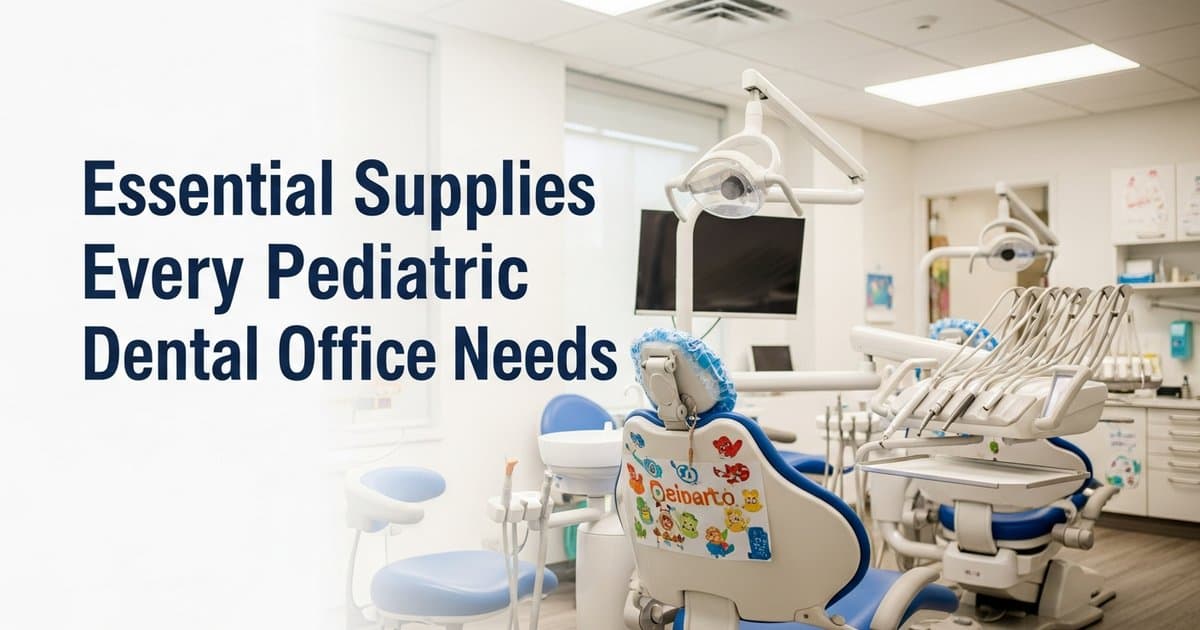
Setting up a pediatric dental practice requires careful consideration of specialized supplies that cater to young patients' unique needs. Unlike general dental practices, pediatric offices must balance clinical functionality with child-friendly features that create a welcoming, non-threatening environment. From miniaturized instruments designed for small mouths to colorful examination supplies that ease anxiety, every item in your inventory plays a role in delivering quality care while ensuring positive patient experiences. This comprehensive guide covers the essential supplies every pediatric dental office needs, helping practice owners make informed purchasing decisions that support both clinical excellence and patient comfort.
Clinical Equipment and Technology
The foundation of any pediatric dental practice lies in its clinical equipment, which must be specifically tailored for treating children from infancy through adolescence. Selecting the right equipment requires understanding the physical and psychological needs of young patients while maintaining the highest standards of dental care.
Pediatric dental chairs represent one of the most critical investments for your practice. These specialized chairs must accommodate patients ranging from toddlers to teenagers, offering adjustable positioning and comfortable support for extended procedures. Modern pediatric chairs often feature colorful designs, built-in entertainment systems, and smaller dimensions that feel less intimidating to children. When evaluating options, consider chairs with smooth, easy-to-clean surfaces, reliable hydraulic systems, and child-safety features that prevent pinching or injury. For detailed guidance on selecting the perfect chair for your practice, refer to our comprehensive resource on How to Choose the Right Pediatric Dental Chair.
Delivery systems in pediatric practices must offer precise control and gentle operation. Look for units with variable speed controls, quiet motors, and ergonomic handpiece designs that allow for comfortable use in small oral cavities. LED curing lights should provide consistent, efficient polymerization while being lightweight enough for easy manipulation during pediatric procedures.
Digital radiography equipment is essential for modern pediatric practices, offering reduced radiation exposure and immediate image availability—both crucial factors when treating children. Intraoral sensors should be available in multiple sizes, with smaller sensors specifically designed for primary teeth and developing mouths. Panoramic units should include pediatric positioning aids and comfort features that help reduce patient movement during exposure.
Sterilization equipment must meet the highest standards while accommodating the unique instruments used in pediatric dentistry. Autoclaves should be sized appropriately for your instrument volume and include specialized cycles for heat-sensitive materials commonly used with children. Ultrasonic cleaners help ensure thorough cleaning of delicate pediatric instruments before sterilization.
Child-Specific Dental Instruments
Pediatric dentistry requires a specialized set of instruments designed to work effectively in smaller oral cavities while providing the precision necessary for quality care. The size differential between adult and pediatric instruments is significant, with pediatric versions typically 15-20% smaller in overall dimensions.
Hand instruments form the backbone of pediatric dental procedures. Explorers for children feature shorter, more delicate tips that can navigate around primary teeth and developing permanent teeth without causing discomfort. Pediatric mirrors come in smaller sizes with thinner handles that fit comfortably in small mouths while providing clear visualization of all oral surfaces. Excavators and carvers must be proportionally scaled to work effectively with the smaller crown dimensions of primary teeth.
Prophylaxis instruments require special attention in pediatric practices. Prophy angles should accommodate smaller cup sizes and provide gentle, controlled rotation speeds appropriate for children's more sensitive tissues. Curettes and scalers designed for pediatric use feature modified blade angles and reduced dimensions that allow for effective cleaning around the unique contours of primary teeth and mixed dentition.
Restorative instruments for pediatric use include smaller amalgam carriers, condensers, and burnishers that work efficiently with the cavity preparations typical in primary teeth. Composite placement instruments should offer precise control for the smaller restorations commonly placed in pediatric patients. Matrix bands and retainers must be available in sizes appropriate for primary molars and developing permanent teeth.
Extraction instruments represent a critical category in pediatric dentistry. Pediatric forceps are designed with smaller beaks and modified grip patterns that accommodate the root morphology of primary teeth. Elevators should be available in various sizes and tip configurations to safely mobilize primary teeth without damaging developing permanent tooth buds. For a complete overview of sizing and selection criteria, explore our detailed Child-Size Dental Instruments: A Buyer's Guide.
Endodontic instruments for pediatric use include files and reamers in smaller sizes appropriate for primary tooth root canals. Irrigation needles must be sized appropriately for smaller canal systems, and obturation materials should be available in quantities suitable for primary tooth procedures.
Preventive Care Materials
Prevention forms the cornerstone of pediatric dentistry, making the selection of appropriate preventive materials crucial for long-term patient oral health. These materials must be effective, safe, and appealing to young patients while supporting various preventive protocols commonly used in pediatric practices.
Fluoride products represent a fundamental category of preventive materials. Topical fluoride gels and foams should be available in various flavors that appeal to children while providing optimal fluoride uptake. Professional-strength fluoride varnishes offer extended contact time and ease of application, making them ideal for use with young or uncooperative patients. Consider stocking multiple viscosities and flavors to accommodate different age groups and preferences.
Prophylaxis pastes for pediatric use should offer effective cleaning while being gentle on developing enamel and sensitive tissues. Multiple grit levels allow for customized cleaning based on individual patient needs, from gentle polishing for routine cleanings to more aggressive formulations for stain removal. Flavored options help improve patient acceptance and cooperation during prophylaxis procedures.
Sealant materials specifically formulated for pediatric use should provide excellent retention, easy application, and optimal flow characteristics for covering pit and fissure anatomy in newly erupted teeth. Both light-cured and chemical-cure options should be available to accommodate various clinical situations and patient cooperation levels. Glass ionomer sealants offer the additional benefit of fluoride release, making them particularly valuable in high-caries-risk patients.
Dietary counseling materials, including educational pamphlets, food diaries, and visual aids, support comprehensive preventive care programs. Interactive materials that engage both children and parents help reinforce healthy dietary habits and oral hygiene practices at home.
Professional cleaning supplies include specialized brushes, floss, and interdental aids sized appropriately for children. Training toothbrushes with larger handles and softer bristles help young patients develop proper brushing techniques. Floss picks and holders designed for small hands encourage early adoption of interdental cleaning habits.
Treatment and Restorative Materials
Pediatric dental practices require a comprehensive inventory of treatment and restorative materials specifically formulated for use in primary teeth and developing permanent dentition. These materials must accommodate the unique properties of pediatric teeth while providing durability and esthetics appropriate for growing patients.
Composite resin systems for pediatric use should offer excellent handling characteristics and rapid curing times to accommodate shorter attention spans and reduced cooperation windows. Flowable composites work well for small Class V restorations and as liners, while packable composites provide durability for posterior restorations in primary molars. Shade selection should include lighter options that match the typically whiter appearance of primary teeth.
Glass ionomer cements play a crucial role in pediatric restorative dentistry due to their fluoride-releasing properties and chemical bonding to tooth structure. Light-cured glass ionomers offer improved physical properties and working time control, while traditional chemical-cure versions work well in situations where moisture control is challenging. Resin-modified glass ionomers combine the benefits of fluoride release with improved esthetics and durability.
Amalgam, while less commonly used today, remains valuable for certain clinical situations in pediatric dentistry. High-copper amalgams provide optimal physical properties for large restorations in primary molars where longevity is important. Proper mercury hygiene materials and disposal protocols are essential when using amalgam in pediatric practices.
Endodontic materials for primary teeth include calcium hydroxide preparations, zinc oxide eugenol cements, and biocompatible obturation materials. Pulp therapy medications should be available in convenient dispensing systems that allow for precise application in small pulp chambers. Mineral trioxide aggregate (MTA) provides excellent biocompatibility for vital pulp therapy procedures.
Crown materials for pediatric use include stainless steel crowns in various sizes to fit primary molars, as well as esthetic options like zirconia crowns for anterior teeth. Crown forms should be available in comprehensive size ranges to accommodate the variation in primary tooth dimensions. Luting cements must provide reliable retention while being kind to pulpal tissues.
Local anesthetic agents and delivery systems require special consideration in pediatric practices. Topical anesthetics in appealing flavors help reduce injection discomfort, while cartridge warmers improve patient comfort during administration. Shorter needles and specialized injection techniques may require specific needle lengths and gauge options.
Comfort and Behavioral Management Items
Creating a positive dental experience for children requires thoughtful selection of comfort items and behavioral management tools that reduce anxiety and promote cooperation during dental procedures. These supplies often make the difference between a successful appointment and a traumatic experience that affects the child's future relationship with dental care.
Distraction items play a crucial role in pediatric dental practices. Overhead entertainment systems, tablet computers with age-appropriate content, and noise-canceling headphones help redirect attention away from dental procedures. Consider maintaining a library of movies, games, and educational content suitable for different age groups. Handheld distraction toys, fidget items, and stress balls provide tactile engagement for patients who benefit from physical activity during treatment.
Comfort positioning aids include various sizes of bite blocks, mouth props, and positioning cushions that help maintain patient comfort during extended procedures. Weighted blankets and soft positioning aids can provide security and comfort for anxious patients. Temperature control items like warm blankets and cooling gel packs address environmental comfort factors that significantly impact patient cooperation.
Behavioral reinforcement supplies form an essential category in pediatric practices. Sticker charts, small toys, and healthy treats serve as positive reinforcement for cooperative behavior and treatment completion. Consider maintaining an inventory of age-appropriate rewards that align with your practice's philosophy regarding dietary health and behavioral management.
Aromatherapy and sensory items can significantly impact the clinical environment. Essential oil diffusers with calming scents like lavender or vanilla help create a relaxing atmosphere. Textured items, sensory bottles, and fidget toys accommodate patients with sensory processing differences or attention difficulties.
Communication aids include picture boards, social stories, and visual schedules that help explain procedures to young patients or those with communication challenges. Translated materials and culturally sensitive resources ensure effective communication with diverse patient populations.
Sedation monitoring equipment and emergency supplies are essential for practices offering sedation services. Pulse oximeters, blood pressure monitors, and emergency medications must be appropriate for pediatric use and maintained according to regulatory requirements. Reversal agents and emergency protocols should be readily accessible and regularly updated.
How TGP Can Help
Managing the complex inventory requirements of a pediatric dental practice while controlling costs can be challenging for practice owners. The TGP Group Purchasing Organization (GPO) specifically addresses these challenges by leveraging the collective purchasing power of pediatric dental practices to secure significant savings on essential supplies.
TGP's comprehensive approach to supply management helps pediatric practices save 20-30% on the specialized supplies discussed throughout this guide. Our negotiated contracts with leading manufacturers ensure access to the latest pediatric-specific products at volume pricing typically reserved for large healthcare systems. This includes everything from child-sized instruments and specialized restorative materials to comfort items and behavioral management supplies.
The organization's dental supply specialists understand the unique needs of pediatric practices and work closely with practice owners to optimize their inventory management. This includes identifying opportunities for standardization, bulk purchasing advantages, and introducing new products that can improve patient care or operational efficiency. TGP's automated ordering systems help maintain appropriate stock levels while minimizing carrying costs and reducing the risk of supply shortages.
Beyond cost savings, TGP membership provides access to educational resources, product training, and peer networking opportunities that help pediatric practice owners stay current with industry trends and best practices. Regular webinars, product demonstrations, and continuing education opportunities ensure that practice teams can maximize the value of their supply investments.
TGP's commitment to pediatric dentistry extends to supporting practices in their growth and development goals. Whether you're starting a new practice or expanding an existing one, TGP's supply chain expertise and vendor relationships can help streamline the procurement process and ensure you have access to the products needed for success.
Key Takeaways
• Pediatric dental practices require specialized equipment, instruments, and supplies designed specifically for treating children from infancy through adolescence
• Clinical equipment should prioritize child-friendly features, safety considerations, and appropriate sizing while maintaining high standards of functionality and reliability
• Child-specific instruments are typically 15-20% smaller than adult versions and require careful selection to ensure effective treatment in developing dentition
• Preventive care materials, including fluoride products and sealants, form the foundation of pediatric dental practice and require age-appropriate formulations and flavors
• Treatment and restorative materials must accommodate the unique properties of primary teeth while providing durability appropriate for the expected service life
• Comfort and behavioral management items are essential for creating positive dental experiences and should be selected based on developmental appropriateness and practice philosophy
• Group purchasing organizations like TGP can help pediatric practices save 20-30% on essential supplies while providing access to specialized products and educational resources
• Regular inventory assessment and supplier relationship management are crucial for maintaining optimal stock levels while controlling costs in pediatric practices
Frequently Asked Questions
How often should I review and update my pediatric dental supply inventory?
Most successful pediatric practices conduct comprehensive inventory reviews quarterly, with monthly assessments of high-turnover items and critical supplies. This frequency allows for seasonal adjustments, accommodation of practice growth, and integration of new products that can improve patient care. Additionally, annual reviews should include evaluation of supplier performance, cost analysis, and consideration of emerging technologies or materials that could benefit your practice. Emergency supply levels should be monitored continuously, with clear protocols for rapid restocking of critical items.
What's the most cost-effective approach to purchasing pediatric-specific instruments and supplies?
The most cost-effective approach combines strategic purchasing through group purchasing organizations (GPOs) with careful inventory management and bulk buying of frequently used items. GPOs like TGP can provide 20-30% savings on specialized pediatric supplies through negotiated contracts and volume purchasing power. Additionally, establishing relationships with multiple suppliers ensures competitive pricing and supply continuity, while implementing inventory management systems helps minimize waste and overstock situations. Consider focusing bulk purchases on non-perishable items with consistent usage patterns while maintaining just-in-time ordering for expensive or perishable materials.
How do I determine the right mix of traditional and innovative products for my pediatric practice?
Successful product mix decisions should be based on your patient demographics, practice philosophy, and clinical outcomes data. Start by ensuring you have comprehensive coverage of traditional, proven materials and techniques that form the foundation of quality pediatric dental care. Then, gradually introduce innovative products that address specific challenges in your practice or offer clear benefits to patient care or operational efficiency. Consider factors such as staff training requirements, patient acceptance, cost-benefit analysis, and compatibility with existing systems. Seeking input from other pediatric practitioners and attending continuing education programs can help inform these decisions while ensuring you maintain high standards of care.