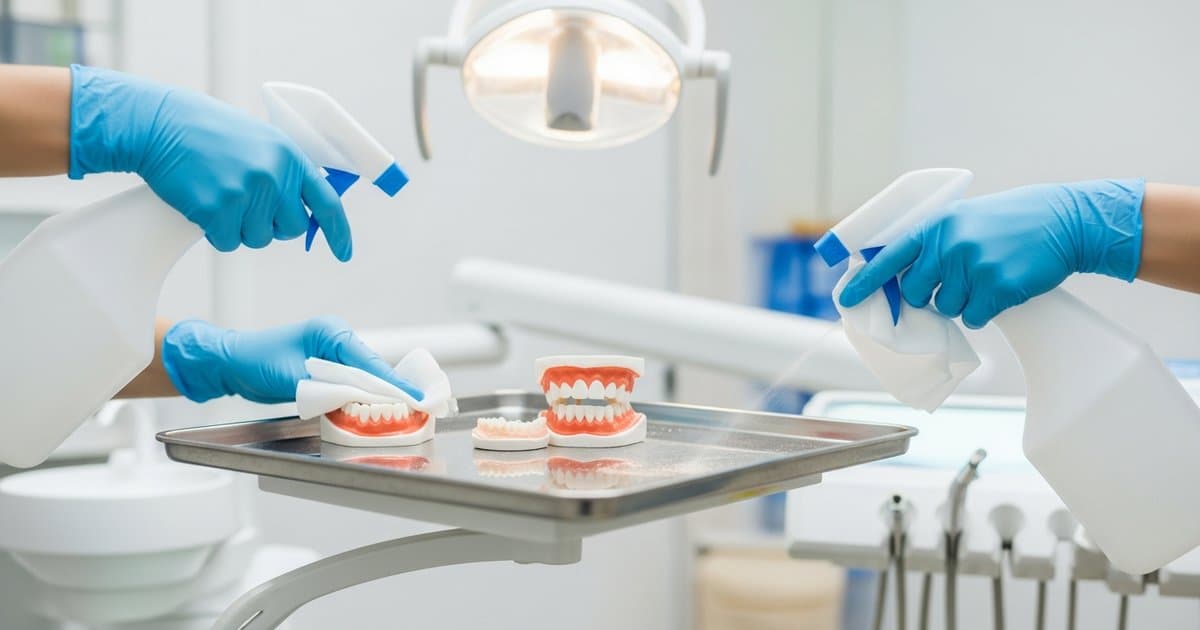
Maintaining the highest standards of infection control in pediatric dental practices requires meticulous attention to disinfecting dental impressions, appliances, and laboratory work. Young patients present unique challenges that make proper decontamination protocols even more critical – from higher bacterial loads in their mouths to increased risk of cross-contamination due to behavioral factors. This comprehensive guide provides pediatric dental practice owners with evidence-based protocols for safely disinfecting impressions and prosthetics while maintaining their dimensional accuracy and surface detail, ensuring both patient safety and treatment success.
Understanding the Infection Control Challenge in Pediatric Dentistry
Pediatric dental practices face elevated infection control risks that make impression and prosthetic disinfection particularly crucial. Children's oral cavities typically harbor higher concentrations of pathogenic bacteria, and their behavioral patterns during treatment can increase aerosol production and surface contamination. Additionally, many pediatric patients have compromised immune systems or underlying health conditions that make them more susceptible to healthcare-associated infections.
The contamination of dental impressions begins the moment they contact oral tissues and saliva. Research shows that untreated impressions can harbor a wide variety of microorganisms, including Staphylococcus aureus, Streptococcus species, Candida albicans, and various gram-negative bacteria. These pathogens can survive on impression materials for extended periods, potentially infecting laboratory personnel, contaminating laboratory equipment, and ultimately compromising patient care.
For pediatric practices, the stakes are even higher. Young patients often require multiple appointments and various appliances throughout their treatment journey, from space maintainers to orthodontic devices. Each step in this process presents opportunities for cross-contamination if proper disinfection protocols aren't followed. Understanding the specific challenges of pediatric infection control is essential for developing effective decontamination strategies that protect both patients and staff while maintaining the quality of dental work.
The choice of impression materials for pediatric dentistry directly impacts disinfection protocols, as different materials respond differently to various disinfectant solutions and immersion times. This interconnection between material selection and disinfection efficacy underscores the importance of a comprehensive approach to infection control in pediatric dental practices.
Pre-Processing Disinfection Protocols for Impressions
Immediate disinfection of impressions before laboratory processing forms the foundation of safe dental practice. For pediatric dental offices, establishing standardized pre-processing protocols ensures consistent infection control regardless of which staff member handles the impression or which laboratory receives the work.
The first step involves thorough rinsing of impressions under running water to remove visible blood, saliva, and debris. This mechanical cleaning is particularly important in pediatric dentistry, where impressions may contain food particles or other foreign matter that children commonly have in their mouths. Use lukewarm water and gentle agitation to avoid damaging delicate impression details while ensuring complete removal of organic material.
Following the initial rinse, impressions should be immersed in an appropriate disinfectant solution. The American Dental Association recommends several effective options for pediatric practices. Sodium hypochlorite solutions (1:10 dilution of household bleach) provide excellent broad-spectrum antimicrobial activity and are cost-effective for high-volume pediatric practices. However, these solutions can cause dimensional changes in certain impression materials, so timing is critical.
For alginate impressions commonly used in pediatric dentistry, iodophor solutions offer an excellent balance of efficacy and material compatibility. Products like Impresept (3M) or similar iodine-based disinfectants provide effective antimicrobial action with minimal impact on impression accuracy when used according to manufacturer guidelines. Immersion times typically range from 10-30 minutes, depending on the specific product and impression material combination.
Glutaraldehyde-based solutions represent another viable option, particularly for higher-value impressions where dimensional stability is paramount. These solutions offer superior material compatibility but require careful handling due to their toxic nature and potential for causing respiratory irritation. In pediatric practices where staff safety is paramount, consider whether the benefits justify the additional safety protocols required.
For practices using polyvinyl siloxane or polyether impression materials, alcohol-based disinfectants can provide rapid, effective decontamination. These solutions typically require shorter contact times (2-5 minutes) and cause minimal dimensional change, making them ideal for busy pediatric practices where quick turnaround times are essential.
Documentation plays a crucial role in pre-processing disinfection protocols. Establish clear records of which impressions have been disinfected, when the disinfection occurred, and which solution was used. This documentation becomes particularly important in pediatric practices where multiple appointments and various appliances create complex treatment timelines.
Laboratory Processing and Handling Procedures
Once impressions arrive at the dental laboratory, additional safety measures ensure continued infection control throughout the fabrication process. Many pediatric practices work with specialized pediatric dental laboratories that understand the unique requirements of young patients, but all laboratories should follow standardized protocols for handling disinfected impressions and fabricating appliances.
Laboratory personnel should treat all impressions as potentially infectious, regardless of pre-processing disinfection status. This universal precaution approach is particularly important in pediatric dentistry, where patients may have undiagnosed infections or compromised immune systems. Laboratory staff should wear appropriate personal protective equipment, including gloves, protective eyewear, and masks, when handling all impressions and during appliance fabrication.
The laboratory should maintain separate areas for receiving impressions, processing work, and finishing appliances. This segregation prevents cross-contamination and allows for more effective environmental disinfection. In laboratories that process significant volumes of pediatric work, consider dedicating specific areas or time blocks to pediatric cases to minimize cross-contamination risks.
During the fabrication process, any appliances or prosthetics that will be tried in the patient's mouth require additional disinfection before delivery to the dental office. This intermediate disinfection step is crucial because laboratory processes can introduce new contaminants, and the appliance will contact oral tissues during try-in appointments.
For appliances like space maintainers, partial dentures, or orthodontic devices commonly used in pediatric dentistry, ultrasonic cleaning followed by chemical disinfection provides thorough decontamination. The ultrasonic cleaning process mechanically removes debris from complex surfaces and internal areas that manual cleaning might miss. Follow ultrasonic cleaning with immersion in an appropriate disinfectant solution, selecting products that won't damage the specific materials used in the appliance construction.
Communication between the dental office and laboratory is essential for maintaining infection control standards. Establish clear protocols for indicating which impressions have been pre-disinfected, what solutions were used, and any special handling requirements for specific patients. This information helps laboratory personnel select appropriate secondary disinfection methods and avoid over-processing that might compromise appliance fit or function.
Post-Processing Disinfection and Delivery Protocols
The final disinfection step occurs when completed appliances return from the laboratory and before they enter the patient's mouth. This post-processing disinfection serves as the last barrier against infection transmission and requires careful attention to both efficacy and material compatibility.
Upon receiving appliances from the laboratory, inspect them visually for any obvious contamination or damage that occurred during shipping. Even if appliances were properly disinfected at the laboratory, handling and shipping can introduce new contaminants. This inspection is particularly important for pediatric appliances, which often have complex geometries and delicate components that can harbor bacteria in hard-to-reach areas.
For metal appliances like space maintainers or orthodontic devices, steam sterilization provides the most reliable disinfection method. Modern steam sterilizers can effectively decontaminate these appliances without causing dimensional changes or material degradation. However, ensure that all components can withstand steam sterilization temperatures before selecting this method.
Acrylic appliances commonly used in pediatric dentistry require different approaches due to their lower heat tolerance. Chemical disinfection using glutaraldehyde solutions or hydrogen peroxide-based products provides effective antimicrobial action without damaging acrylic materials. Immersion times vary by product, but typically range from 20 minutes to several hours for high-level disinfection.
For appliances containing mixed materials, such as orthodontic devices with both metal and plastic components, select disinfection methods that are compatible with all materials present. This often means choosing chemical disinfection over heat-based methods, even though steam sterilization might be more convenient.
Establish clear protocols for post-disinfection handling to prevent recontamination before patient delivery. Store disinfected appliances in sterile containers or packaging, and minimize handling between disinfection and placement in the patient's mouth. Train all staff members on proper handling techniques to maintain the chain of infection control throughout the delivery process.
Documentation of post-processing disinfection should be integrated with patient records to provide a complete infection control audit trail. This documentation becomes particularly valuable in pediatric practices where patients may have extended treatment relationships and multiple appliances over time.
Consider the unique needs of pediatric patients when planning appliance delivery appointments. Young patients may require multiple try-in appointments or adjustments, which can complicate infection control protocols. Develop strategies for maintaining appliance sterility during these extended fitting processes, such as using sterile storage solutions or implementing chairside disinfection protocols for minor adjustments.
Special Considerations for Pediatric Applications
Pediatric dental practices face unique challenges that require specialized approaches to impression and appliance disinfection. Understanding these considerations ensures that infection control protocols effectively address the specific risks present in pediatric dentistry while maintaining the quality of care that young patients deserve.
Children's behavioral patterns during dental treatment can significantly impact contamination levels and disinfection requirements. Young patients may have difficulty maintaining mouth rinses, controlling saliva flow, or keeping their mouths open consistently during impression procedures. These factors can lead to higher bacterial loads in impressions and increased contamination of impression materials. Adjust disinfection protocols to account for these higher contamination levels by extending contact times or using more potent disinfectant solutions when material compatibility allows.
The types of appliances commonly used in pediatric dentistry also present special disinfection challenges. Space maintainers, habit-breaking appliances, and early orthodontic devices often have complex geometries with multiple undercuts, springs, or adjustment mechanisms. These features can trap bacteria and make thorough disinfection more difficult. Pay special attention to these areas during cleaning and disinfection procedures, using ultrasonic cleaning or specialized brushes to ensure complete decontamination.
Age-related factors influence both infection risk and disinfection strategies in pediatric practices. Very young children have developing immune systems that may be less effective at fighting off infections, while older pediatric patients may have better oral hygiene but more complex dental needs requiring multiple appliances. Tailor disinfection protocols to account for these age-related risk factors, potentially using more aggressive disinfection methods for high-risk patients or those with compromised immune systems.
Family dynamics in pediatric dentistry can also impact infection control considerations. Parents or caregivers may be involved in appliance care at home, requiring additional education about proper handling and cleaning techniques. Provide clear instructions for home care of appliances, including appropriate cleaning solutions and techniques that maintain both oral health and appliance integrity.
The relationship between impression disinfection and broader infection control fundamentals for pediatric dental offices requires careful coordination. Impression and appliance disinfection protocols should integrate seamlessly with other office infection control measures to provide comprehensive protection for patients and staff.
Special patient populations within pediatric dentistry may require modified disinfection protocols. Children with special healthcare needs, those undergoing chemotherapy, or patients with congenital heart conditions may need enhanced infection control measures. Develop protocols that can be easily modified for high-risk patients without disrupting normal office workflow.
Consider the emotional aspects of pediatric dental care when implementing disinfection protocols. Some disinfection procedures may add time to appointments or require additional visits, which can increase anxiety for young patients. Balance infection control requirements with patient comfort by streamlining protocols where possible and communicating clearly with patients and families about the importance of these safety measures.
Environmental factors in pediatric dental offices may also influence disinfection effectiveness. Higher humidity levels from aerosol production during pediatric procedures can affect the stability of some disinfectant solutions, while temperature variations in different areas of the office might impact contact times for chemical disinfectants. Monitor and control these environmental factors to ensure consistent disinfection efficacy.
How TGP Can Help
The Gratitude Group Purchasing (TGP) understands the unique supply needs of pediatric dental practices and offers significant cost savings on the disinfection supplies and equipment discussed in this guide. Through TGP's group purchasing organization, pediatric dental practices can achieve 20-30% savings on essential infection control products while ensuring they have access to the highest quality disinfectants and sterilization equipment.
TGP's extensive network provides pediatric practices with access to premium disinfectant solutions at reduced costs, including iodophor-based products, glutaraldehyde solutions, and specialized disinfectants designed for impression materials. These savings are particularly valuable for pediatric practices that process high volumes of impressions and appliances, where disinfection supply costs can represent a significant operational expense.
Beyond chemical disinfectants, TGP offers substantial savings on sterilization equipment essential for appliance disinfection. Modern steam sterilizers, ultrasonic cleaners, and specialized disinfection systems are available through TGP at significantly reduced prices, helping pediatric practices invest in the best available infection control technology without straining their budgets.
TGP's purchasing power also extends to consumable supplies that support effective disinfection protocols, including personal protective equipment, sterile containers for appliance storage, and specialized cleaning instruments for complex pediatric appliances. By consolidating purchasing through TGP, practices can streamline their supply chain management while achieving substantial cost reductions across all categories of disinfection supplies.
The cost savings achieved through TGP membership can be reinvested in practice growth, staff training, or advanced infection control technologies that further enhance patient safety. For pediatric practices operating on tight margins, these savings can make the difference between maintaining basic infection control standards and implementing best-in-class protocols that set the practice apart from competitors.
TGP's commitment to pediatric dentistry extends beyond simple cost savings to include ongoing support for implementing effective infection control protocols. Members receive access to educational resources, training materials, and expert consultation services that help optimize disinfection procedures while maximizing the value of their supply investments.
Key Takeaways
• Implement standardized pre-processing disinfection protocols that account for higher bacterial loads commonly found in pediatric patients' impressions
• Select disinfectant solutions based on both antimicrobial efficacy and compatibility with specific impression materials used in pediatric applications
• Establish clear communication protocols with dental laboratories to ensure consistent infection control standards throughout the fabrication process
• Develop post-processing disinfection procedures that address the complex geometries and mixed materials common in pediatric dental appliances
• Document all disinfection procedures as part of comprehensive infection control audit trails, particularly important for pediatric patients with extended treatment relationships
• Train all staff members on proper handling techniques to maintain the chain of infection control from impression taking through appliance delivery
• Consider age-related factors and special healthcare needs when developing disinfection protocols for pediatric patient populations
• Integrate impression and appliance disinfection protocols with broader office infection control measures for comprehensive patient and staff protection
• Balance infection control requirements with patient comfort considerations to minimize anxiety and treatment disruption for young patients
• Leverage group purchasing organizations like TGP to achieve significant cost savings on disinfection supplies and equipment while maintaining quality standards
Frequently Asked Questions
How long can disinfected impressions be stored before they lose dimensional accuracy or become recontaminated?
Disinfected impressions should ideally be poured within 24-48 hours to maintain optimal dimensional accuracy, regardless of the disinfection method used. While proper disinfection eliminates viable microorganisms, it doesn't create a sterile barrier that prevents recontamination from environmental sources. Alginate impressions are particularly time-sensitive due to their hydrophilic nature and should be poured within hours of taking, even when properly disinfected. For longer storage periods, consider using more dimensionally stable impression materials like polyvinyl siloxane, and store disinfected impressions in sealed, clean containers to minimize recontamination risk. Always follow manufacturer guidelines for specific impression materials, as storage recommendations can vary significantly between products.
What disinfection modifications are needed for pediatric patients with special healthcare needs or immunocompromised conditions?
Pediatric patients with special healthcare needs or compromised immune systems may require enhanced disinfection protocols beyond standard procedures. Consider extending disinfectant contact times by 50-100% when material compatibility allows, and select high-level disinfectants like glutaraldehyde solutions over intermediate-level options when possible. For appliances used by immunocompromised patients, steam sterilization should be preferred over chemical disinfection when materials can tolerate heat processing. Additionally, implement stricter handling protocols including double-gloving, dedicated instrument sets, and separate processing areas when feasible. Consult with the patient's physician regarding specific infection control requirements and document any special protocols used for these high-risk patients.
Can chairside disinfection methods provide adequate protection for minor appliance adjustments during pediatric appointments?
Chairside disinfection can provide adequate protection for minor adjustments, but the methods and timing require careful consideration. For quick adjustments like minor orthodontic wire bends or acrylic trimming, immersion in intermediate-level disinfectants for 10-20 minutes between patient contact provides acceptable protection. However, more extensive adjustments that generate debris or require multiple try-ins should follow complete disinfection protocols including ultrasonic cleaning when possible. Alcohol-based wipes can provide rapid surface disinfection for emergency adjustments, but shouldn't replace proper chemical immersion for routine procedures. Always ensure that disinfectant contact times meet minimum requirements before re-inserting appliances in patients' mouths, and consider having backup appliances available to avoid rushing disinfection procedures during appointments.