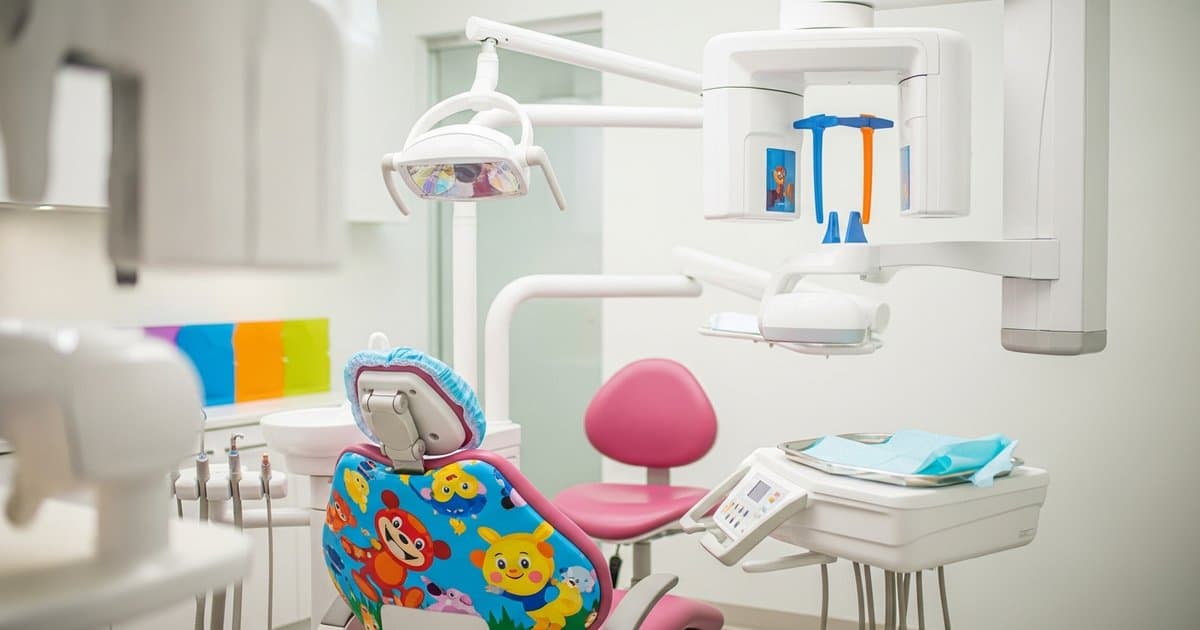
When it comes to providing exceptional pediatric dental care, having the right diagnostic imaging equipment is crucial for both clinical outcomes and patient comfort. Young patients present unique challenges that require specialized considerations when selecting X-ray equipment—from their smaller anatomy and heightened sensitivity to radiation to their natural anxiety around medical procedures. Making informed decisions about digital sensors, phosphor plates, and panoramic units can significantly impact your practice's ability to deliver safe, efficient, and child-friendly dental care while maintaining profitability and workflow efficiency.
Understanding Pediatric-Specific X-Ray Requirements
Pediatric dental practices face distinct imaging challenges that adult-focused offices rarely encounter. Children's mouths are smaller, their cooperation levels vary dramatically, and their developing tissues are more radiosensitive than adults. These factors necessitate equipment that offers rapid image acquisition, minimal radiation exposure, and enhanced patient comfort.
The American Academy of Pediatric Dentistry (AAPD) emphasizes the ALARA principle—As Low As Reasonably Achievable—when it comes to radiation exposure in children. This means selecting equipment that provides diagnostic-quality images with the lowest possible radiation dose. Modern digital imaging systems typically reduce radiation exposure by 40-60% compared to traditional film, making them essential for pediatric practices.
Size considerations are paramount when working with pediatric patients. Traditional adult-sized sensors can be uncomfortable or impossible to position properly in small mouths, leading to retakes that increase radiation exposure and patient anxiety. Equipment manufacturers now offer pediatric-specific sensors and positioning aids designed specifically for children's anatomy.
Patient cooperation presents another significant challenge. Young children may have difficulty holding still during image acquisition, and the unfamiliar equipment can increase anxiety. Quick exposure times and child-friendly equipment designs become critical factors in successful imaging sessions. Radiation Safety and Protective Equipment for Pediatric Dental Offices provides additional insights into creating a safe imaging environment for young patients.
Digital Sensors: Advantages and Considerations for Children
Digital sensors represent the gold standard for pediatric intraoral radiography, offering numerous advantages that align perfectly with the unique needs of young patients. These solid-state detectors provide instant image acquisition, eliminating the processing time associated with traditional film and phosphor plates. For pediatric patients who may struggle with extended appointments, this immediate feedback is invaluable.
The radiation reduction capabilities of digital sensors make them particularly attractive for pediatric use. High-quality sensors can reduce radiation exposure by up to 80% compared to film radiography while maintaining excellent diagnostic quality. This dramatic reduction is especially important given children's increased radiosensitivity and longer life expectancy following exposure.
When selecting digital sensors for pediatric use, size options become critical. Size 0 sensors are essential for primary dentition and small mouths, while size 1 sensors work well for mixed dentition patients. Some manufacturers offer ultra-thin sensors that improve patient comfort without sacrificing image quality. The Dexis Platinum sensors, for example, feature rounded corners and thin profiles that enhance patient acceptance, particularly important for anxious young patients.
Durability is another crucial consideration, as pediatric patients may bite down on sensors or handle them roughly. Look for sensors with reinforced cables and bite-proof designs. The Schick 33 sensors offer excellent durability with their reinforced construction, while maintaining the thin profile necessary for pediatric comfort.
Wireless sensors present an interesting option for pediatric practices, eliminating the cable that some children find restrictive or anxiety-provoking. However, they typically require longer exposure times and may be more expensive to replace if damaged by small patients.
Integration with practice management software streamlines workflow, allowing immediate image viewing and reducing chair time—a significant advantage when working with restless children. Most modern sensors integrate seamlessly with popular pediatric dental software systems, enabling efficient documentation and treatment planning.
Phosphor Plates: Cost-Effective Digital Solutions
Phosphor plate systems, also known as computed radiography (CR), offer an economical entry point into digital radiography for pediatric practices. These reusable plates capture X-ray energy and convert it to digital images through scanner processing, providing many benefits of digital imaging at a lower initial investment than direct digital sensors.
For pediatric applications, phosphor plates offer several compelling advantages. They're available in all standard sizes, including the crucial size 0 for primary dentition. The plates are more flexible than rigid sensors, making them more comfortable for young patients and easier to position in small mouths. This flexibility can be particularly beneficial when imaging posterior teeth in children with limited mouth opening or high anxiety levels.
The durability of phosphor plates makes them well-suited for pediatric use. Unlike digital sensors with delicate electronics and cables, phosphor plates can withstand biting, dropping, and rough handling that may occur with uncooperative young patients. Replacement costs are significantly lower than sensor replacement, an important consideration for practices serving high volumes of pediatric patients.
However, phosphor plates do have limitations that pediatric practices must consider. Processing time, while faster than film, still requires several minutes compared to the instantaneous results of digital sensors. This delay can be problematic with impatient children who may become increasingly anxious while waiting for results. Additionally, radiation exposure, while reduced compared to film, is typically higher than direct digital sensors.
Leading phosphor plate systems for pediatric practices include the Carestream CS 7600, which offers excellent image quality and reliable performance, and the Konica Minolta Regius systems, known for their durability and consistent results. When evaluating systems, consider scanner speed, image quality software, and integration capabilities with your existing practice management systems.
The cost-effectiveness of phosphor plates makes them attractive for practices transitioning from film or those with budget constraints. Initial equipment costs are significantly lower than digital sensor systems, and the per-image operating costs remain minimal due to plate reusability.
Panoramic Units: Comprehensive Imaging for Growing Patients
Panoramic radiography plays a crucial role in pediatric dental care, providing comprehensive views of developing dentition, growth patterns, and pathology screening that intraoral images cannot achieve. Modern panoramic units designed with pediatric considerations offer valuable diagnostic capabilities while addressing the unique challenges of imaging young patients.
The ability to visualize the entire oral and maxillofacial region in a single image makes panoramic radiography particularly valuable for pediatric practices. These images help assess tooth development, identify impacted teeth, evaluate growth patterns, and screen for pathology—all critical aspects of comprehensive pediatric dental care. For children with mixed dentition, panoramic images provide invaluable information about permanent tooth development and positioning.
Modern pediatric-friendly panoramic units incorporate features specifically designed for young patients. Adjustable height ranges accommodate patients from small children to adolescents, while simplified positioning aids help reduce setup time and patient anxiety. Units like the Planmeca ProMax series offer extensive height adjustment ranges and intuitive positioning systems that work well for pediatric patients.
Patient comfort and anxiety reduction features become particularly important for panoramic imaging, as patients must remain still for the entire exposure cycle. Child-friendly designs, quick exposure times, and distraction features can significantly improve patient cooperation. Some units include video displays or music capabilities to keep young patients engaged during the 10-20 second exposure time.
Radiation dose considerations remain paramount for pediatric panoramic imaging. Modern units incorporate dose reduction technologies while maintaining diagnostic image quality. The Kodak CS 8100 system, for example, offers customizable exposure protocols that can be optimized for pediatric patients, reducing unnecessary radiation exposure.
Cephalometric capabilities add significant value for practices providing orthodontic services or referrals. Combined panoramic/cephalometric units like the Dentsply Sirona Orthophos series provide comprehensive imaging capabilities in a single system, making them excellent investments for pediatric practices with orthodontic components.
Digital panoramic systems offer the same advantages as intraoral digital imaging—immediate results, reduced radiation, and enhanced image manipulation capabilities. The ability to adjust contrast and brightness digitally can help highlight specific anatomical structures, particularly valuable when communicating findings to parents and young patients.
Implementation and Workflow Optimization
Successfully implementing new X-ray equipment in a pediatric dental practice requires careful planning and staff training to maximize the investment's value. The transition to digital imaging systems, whether sensors, phosphor plates, or panoramic units, involves more than simply purchasing new equipment—it requires workflow modifications and team adaptation.
Staff training is crucial for successful implementation, particularly in pediatric settings where patient management skills are as important as technical competency. Team members must understand not only how to operate the equipment but also how to position and comfort anxious young patients during imaging procedures. Invest in comprehensive training programs that cover both technical operation and pediatric patient management techniques.
Workflow integration becomes particularly important in high-volume pediatric practices. Digital systems should integrate seamlessly with existing practice management software to avoid disruptions in patient flow. Consider how image storage, sharing, and backup procedures will work within your current systems. Cloud-based storage solutions can provide excellent security and accessibility for pediatric practices with multiple locations or providers.
Quality assurance protocols take on added importance in pediatric settings, where retakes due to patient movement or poor positioning can significantly impact the patient experience and increase radiation exposure. Establish clear protocols for image quality assessment and retake decisions. Regular equipment calibration and maintenance schedules help ensure consistent performance and minimize unexpected downtime that can disrupt pediatric schedules.
Consider the physical environment when implementing new imaging equipment. Child-friendly decorations, comfortable seating for parents, and adequate space for patient positioning all contribute to successful imaging sessions. The Essential Supplies Every Pediatric Dental Office Needs guide provides additional insights into creating optimal treatment environments for young patients.
Financial planning should account for ongoing costs beyond the initial equipment purchase. Factor in maintenance agreements, software updates, sensor replacement costs, and potential technology upgrades when calculating the total cost of ownership. Many pediatric practices find that financing options help spread costs while allowing immediate access to improved technology.
How TGP Can Help
Investing in quality X-ray equipment represents a significant financial commitment for pediatric dental practices, but The Group Practice (TGP) can help make these essential purchases more affordable and accessible. As a leading group purchasing organization specifically serving dental practices, TGP leverages collective buying power to deliver substantial savings on imaging equipment and related supplies.
TGP members typically save 20-30% on digital sensors, phosphor plates, and panoramic units from leading manufacturers. These savings extend beyond initial equipment purchases to include ongoing supplies like sensor sleeves, phosphor plate protective covers, and maintenance agreements. For a pediatric practice investing in a complete digital imaging system, these savings can amount to thousands of dollars in reduced costs.
Beyond direct cost savings, TGP provides valuable support throughout the equipment selection and implementation process. Their experienced team understands the unique needs of pediatric practices and can provide guidance on selecting equipment that best serves young patients while meeting budget constraints. This expertise helps practices avoid costly mistakes and ensures they invest in equipment that truly meets their clinical and operational needs.
TGP's negotiated service agreements often include enhanced support terms, extended warranties, and priority service response times—all crucial factors for busy pediatric practices that cannot afford extended equipment downtime. When imaging equipment fails during a busy pediatric schedule, having priority service support can minimize disruptions and maintain patient satisfaction.
The organization's relationships with leading manufacturers also provide members with early access to new technologies and training opportunities. As imaging technology continues to evolve, TGP members benefit from insider knowledge about upcoming innovations and can plan equipment upgrades strategically.
Financing options available through TGP partnerships can help pediatric practices access advanced imaging technology without straining cash flow. Flexible payment terms and competitive interest rates make it easier to invest in equipment that improves patient care while maintaining financial stability.
Key Takeaways
• Digital sensors offer the lowest radiation exposure and fastest image acquisition, making them ideal for pediatric patients who need quick, safe imaging procedures
• Size 0 sensors and phosphor plates are essential for primary dentition and small mouths, while ultra-thin designs improve patient comfort and acceptance
• Phosphor plates provide a cost-effective entry into digital radiography with excellent durability for practices concerned about equipment damage from young patients
• Modern panoramic units with pediatric-friendly features offer comprehensive imaging capabilities crucial for assessing developing dentition and growth patterns
• Radiation dose reduction should be the primary consideration when selecting any imaging equipment for pediatric use, following ALARA principles
• Equipment durability and patient comfort features are particularly important in pediatric settings where cooperation levels vary and equipment handling may be rough
• Integration with practice management software streamlines workflow and reduces chair time, both critical factors for successful pediatric dental appointments
• Comprehensive staff training on both technical operation and pediatric patient management is essential for successful equipment implementation
• Group purchasing through organizations like TGP can provide significant cost savings of 20-30% on imaging equipment and ongoing supplies
FAQ
What size digital sensors should a pediatric practice prioritize?
Pediatric practices should prioritize size 0 sensors for primary dentition and size 1 sensors for mixed dentition patients. Size 0 sensors are essential for imaging primary molars and small mouths, while size 1 sensors work well for most pediatric applications without the bulk of adult-sized sensors. Having both sizes ensures you can provide comfortable imaging for patients from toddlers through adolescents. Consider ultra-thin sensor designs that reduce bulk and improve patient acceptance, particularly important for anxious young patients.
How much radiation reduction can modern digital imaging provide for pediatric patients?
Modern digital imaging systems can reduce radiation exposure by 40-80% compared to traditional film radiography. Digital sensors typically provide the greatest reduction, with high-quality sensors achieving up to 80% dose reduction while maintaining excellent diagnostic quality. Phosphor plates offer moderate reduction of approximately 25-50% compared to film. This dramatic reduction is particularly important for pediatric patients due to their increased radiosensitivity and longer life expectancy following exposure, making digital imaging systems essential rather than optional for responsible pediatric care.
Should pediatric practices invest in panoramic equipment or focus on intraoral imaging?
Most pediatric practices benefit from having both intraoral and panoramic imaging capabilities, as they serve different diagnostic purposes. Intraoral imaging (sensors or phosphor plates) is essential for routine examinations, caries detection, and treatment planning, while panoramic imaging provides comprehensive views of developing dentition, growth patterns, and pathology screening that cannot be achieved with intraoral images alone. If budget constraints require prioritizing, start with intraoral digital imaging for daily use, then add panoramic capabilities as the practice grows. Many practices find that panoramic imaging enhances their ability to provide comprehensive pediatric care and communicate effectively with parents about their child's dental development.