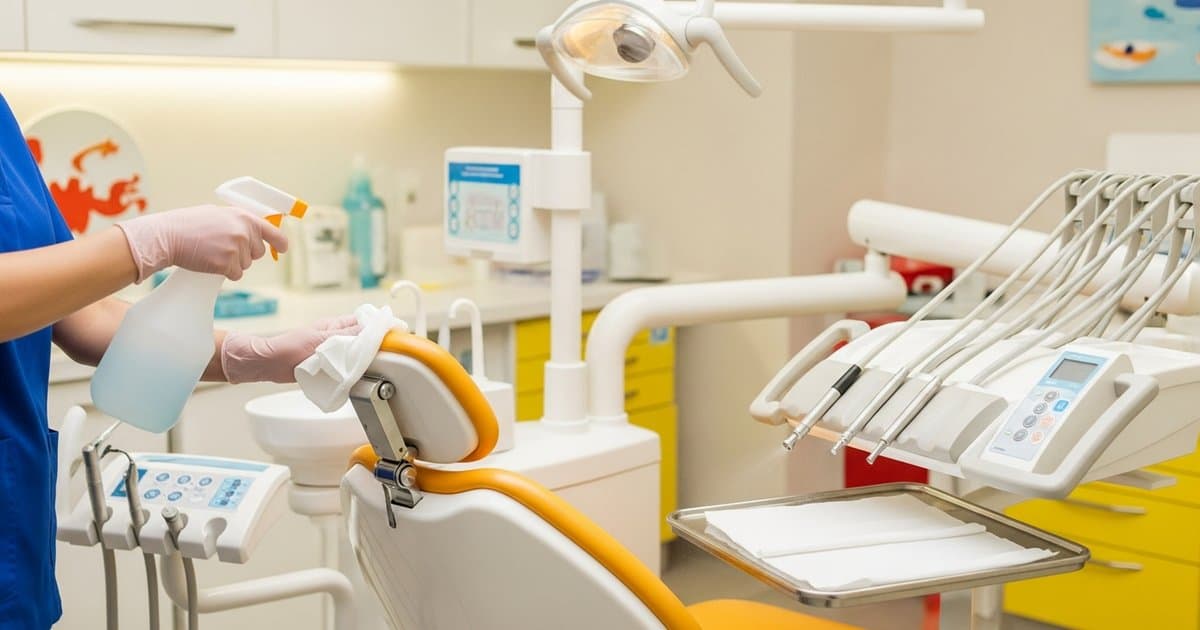
Cold Sterilization and High-Level Disinfection in Dentistry: A Comprehensive Guide for Pediatric Practice Owners
Cold sterilization and high-level disinfection represent critical infection control methods for dental instruments that cannot withstand traditional heat sterilization processes. For pediatric dental practices, understanding when and how to properly implement these chemical disinfection methods is essential for maintaining patient safety while protecting delicate instruments commonly used in children's dentistry. This comprehensive guide explores glutaraldehyde alternatives, ortho-phthalaldehyde (OPA), and evidence-based protocols for determining appropriate disinfection levels for various dental items in pediatric settings.
Understanding Cold Sterilization vs. High-Level Disinfection
The distinction between cold sterilization and high-level disinfection is crucial for pediatric dental practice owners to understand, as improper classification can lead to inadequate infection control or unnecessary chemical exposure risks for both staff and young patients.
Cold sterilization refers to the complete elimination of all microorganisms, including bacterial spores, using chemical agents at room temperature. True cold sterilization requires extended contact times, typically 6-12 hours, and is reserved for critical instruments that come into direct contact with sterile tissue, blood, or the vascular system. In pediatric dentistry, this includes surgical instruments used for procedures like frenectomies or tooth extractions. High-level disinfection, conversely, destroys all vegetative bacteria, mycobacteria, viruses, and fungi, but may not eliminate all bacterial spores. This process typically requires 12-45 minutes of contact time and is appropriate for semi-critical instruments that contact mucous membranes but do not penetrate sterile tissue. Examples in pediatric practices include impression trays, fluoride application trays, and certain orthodontic instruments.The Centers for Disease Control and Prevention (CDC) emphasizes that most dental instruments should undergo heat sterilization when possible. However, pediatric practices often utilize delicate instruments, electronic devices, and specialized materials that require chemical disinfection methods. Understanding the Spaulding classification system helps determine appropriate treatment levels: critical items require sterilization, semi-critical items need high-level disinfection, and non-critical items require intermediate or low-level disinfection.
For pediatric practices, additional considerations include the shorter appointment times typical with children, which may limit practical contact times for chemical disinfection, and the need for rapid instrument turnover during busy schedules. These factors make proper planning and adequate instrument inventory essential for successful implementation of cold sterilization and high-level disinfection protocols.
Glutaraldehyde: Traditional Methods and Limitations
Glutaraldehyde has historically served as the gold standard for cold sterilization and high-level disinfection in dental practices. This dialdehyde compound demonstrates broad-spectrum antimicrobial activity and remains effective in the presence of organic matter, making it suitable for dental applications where complete organic debris removal may be challenging.
However, glutaraldehyde presents significant limitations that are particularly concerning for pediatric dental environments. The chemical's strong, pungent odor can be distressing to children and may trigger respiratory sensitivities in young patients with asthma or allergies. Prolonged exposure to glutaraldehyde vapors has been associated with occupational health concerns for dental staff, including respiratory irritation, dermatitis, and potential sensitization reactions.
Traditional glutaraldehyde formulations typically require 10-12 hours for complete sterilization and 20-90 minutes for high-level disinfection, depending on concentration and formulation. The most common concentrations used in dentistry are 2% alkaline glutaraldehyde solutions, which maintain stability for 14-28 days once activated. Popular brands include Cidex, MetriCide, and ProCide, each with specific activation requirements and use-life limitations. Practical challenges with glutaraldehyde in pediatric settings include the need for dedicated ventilation systems to manage vapor exposure, specialized disposal requirements due to environmental concerns, and the risk of chemical burns if concentrated solutions contact skin or mucous membranes. Additionally, glutaraldehyde solutions require careful monitoring of pH levels and concentration to maintain efficacy, adding complexity to busy pediatric practice workflows. Cost considerations for glutaraldehyde use include not only the initial chemical purchase but also ventilation system maintenance, personal protective equipment for staff, specialized disposal services, and potential liability associated with occupational exposure. Many pediatric practices find that these cumulative costs, combined with safety concerns around children, justify transitioning to alternative disinfection methods.The Environmental Protection Agency (EPA) has implemented increasingly stringent regulations regarding glutaraldehyde use and disposal, particularly in healthcare settings. Pediatric practices must maintain detailed documentation of glutaraldehyde handling, staff training records, and exposure monitoring data, creating additional administrative burden that many practice owners seek to minimize through alternative solutions.
Modern Alternatives: OPA and Other Advanced Solutions
Ortho-phthalaldehyde (OPA) represents the most significant advancement in cold chemical disinfection for dental applications, offering superior performance characteristics while addressing many limitations associated with glutaraldehyde. OPA-based products like Cidex OPA and MetriCide OPA have gained widespread acceptance in pediatric dental practices due to their improved safety profiles and enhanced efficacy.
OPA advantages include significantly reduced vapor emissions, eliminating the strong odors that can distress pediatric patients and cause staff discomfort. OPA solutions demonstrate superior mycobactericidal activity compared to glutaraldehyde while maintaining excellent broad-spectrum antimicrobial effectiveness. The chemical stability of OPA allows for extended use-life, typically 60-75 days once opened, compared to 14-28 days for most glutaraldehyde formulations. Contact times for OPA are generally shorter than glutaraldehyde equivalents, with high-level disinfection achieved in 12 minutes at room temperature. This reduced contact time improves instrument turnover in busy pediatric practices while maintaining equivalent or superior disinfection efficacy. OPA's performance remains consistent across a wider temperature range, providing reliability in varying clinical conditions. Hydrogen peroxide-based systems offer another compelling alternative, particularly accelerated hydrogen peroxide (AHP) formulations that combine rapid action with excellent safety profiles. Products like Optim 33TB and RevitalOx Resert XL provide high-level disinfection in 8-15 minutes while producing minimal odor and demonstrating low toxicity profiles suitable for pediatric environments. Peracetic acid systems represent emerging technology for cold sterilization applications, offering true sporicidal activity in relatively short contact times. These systems are particularly valuable for pediatric practices that perform surgical procedures requiring sterile instruments but cannot accommodate traditional heat sterilization methods. However, peracetic acid systems typically require higher initial investment costs and specialized handling protocols. Combination technologies are increasingly available, incorporating multiple antimicrobial mechanisms to enhance efficacy while reducing contact times. These products often combine aldehydes with hydrogen peroxide or other oxidizing agents to achieve synergistic effects that surpass individual component performance.When selecting modern alternatives, pediatric practice owners should consider factors including staff training requirements, storage and handling needs, compatibility with practice workflows, and integration with existing Sterilization Equipment for Pediatric Dental Practices. Additionally, practices must ensure proper implementation of Chemical Safety and SDS Management for Dental Offices protocols when transitioning to new disinfection systems.
When High-Level Disinfection is Appropriate for Dental Items
Determining appropriate disinfection levels for various dental instruments and materials requires careful consideration of intended use, patient contact characteristics, and manufacturer recommendations. The Spaulding classification system provides the foundational framework, but pediatric dental practices must also consider unique factors related to treating children and adolescents.
Semi-critical instruments that warrant high-level disinfection include items that contact mucous membranes or non-intact skin but do not penetrate sterile tissue. In pediatric dentistry, common examples include reusable impression trays, fluoride application trays, amalgam carriers, matrix bands, and certain orthodontic instruments like band removers and wire-bending pliers. These items require high-level disinfection to eliminate vegetative bacteria, viruses, and fungi that could cause cross-contamination between patients. Electronic and heat-sensitive equipment frequently used in pediatric practices often requires high-level disinfection due to incompatibility with steam sterilization. Digital impression devices, intraoral cameras, light-curing units, and electronic apex locators may have components that cannot withstand heat sterilization temperatures. However, practice owners must verify manufacturer recommendations, as many newer devices feature heat-resistant components or sterilizable attachments that eliminate the need for chemical disinfection. Orthodontic instruments present particular challenges in pediatric practices, as many items are used repeatedly across multiple patient appointments. Pliers, band removers, and adjustment tools may undergo high-level disinfection when heat sterilization is not feasible, though many orthodontic instruments can now accommodate steam sterilization with proper maintenance protocols. Inappropriate applications for high-level disinfection include critical instruments that penetrate sterile tissue or enter the vascular system. Surgical burs, extraction forceps, periodontal probes, and endodontic files must undergo sterilization, not merely high-level disinfection. Additionally, items that can accommodate heat sterilization should not routinely undergo chemical disinfection, as steam sterilization provides superior assurance of microbial elimination. Risk assessment considerations specific to pediatric practices include the immunocompromised status of some young patients, the potential for increased bleeding during procedures due to mixed dentition and eruption patterns, and the higher likelihood of instrument contact with saliva and blood in pediatric procedures. These factors may warrant more conservative approaches to instrument processing in some cases. Documentation requirements for high-level disinfection include maintaining logs of solution concentration, contact times, instrument identification, and staff responsible for processing. Pediatric practices should establish clear protocols for staff training, competency assessment, and quality assurance monitoring to ensure consistent adherence to established disinfection protocols.Implementation Best Practices and Safety Protocols
Successful implementation of cold sterilization and high-level disinfection in pediatric dental practices requires comprehensive protocols that prioritize both efficacy and safety. Proper staff training, equipment selection, and workflow integration are essential components of effective chemical disinfection programs.
Staff training protocols should encompass chemical handling safety, personal protective equipment requirements, solution preparation and monitoring, instrument processing workflows, and emergency response procedures. Pediatric practices must ensure all staff members understand the differences between sterilization and disinfection, appropriate applications for each method, and the critical importance of following manufacturer instructions for contact times and concentrations. Ventilation requirements for chemical disinfection areas should provide adequate air exchanges to minimize staff and patient exposure to chemical vapors. Even low-odor alternatives like OPA benefit from proper ventilation systems that include local exhaust capabilities near disinfection workstations. Pediatric practices should consider the proximity of disinfection areas to treatment rooms where children may be sensitive to chemical odors. Personal protective equipment (PPE) for chemical disinfection procedures should include chemical-resistant gloves, eye protection, and appropriate respiratory protection when indicated. Staff training should emphasize proper PPE selection, donning and doffing procedures, and replacement schedules to maintain protection effectiveness. Quality assurance monitoring includes regular testing of disinfectant concentration, pH monitoring where applicable, and documentation of solution change-out schedules. Many modern disinfection systems include test strips or automated monitoring systems that simplify quality assurance procedures while providing documentation for regulatory compliance. Workflow optimization involves strategically planning instrument processing schedules to accommodate required contact times without compromising patient care efficiency. Pediatric practices may benefit from maintaining larger instrument inventories to ensure adequate supplies while instruments undergo chemical disinfection processes. Emergency protocols should address accidental chemical exposure, spill cleanup procedures, and first aid measures specific to the disinfectants used in the practice. Staff should receive training on emergency eyewash and shower procedures, and appropriate neutralizing agents should be readily available. Regulatory compliance requires adherence to OSHA standards for occupational chemical exposure, EPA requirements for disinfectant use and disposal, and state dental board regulations governing infection control practices. Regular review and updating of protocols ensure continued compliance with evolving regulatory requirements.How TGP Can Help
The Group Purchasing Organization (TGP) understands the unique challenges pediatric dental practices face when implementing effective cold sterilization and high-level disinfection programs. Through our extensive network of dental suppliers and manufacturers, TGP helps pediatric practices achieve significant cost savings of 20-30% on essential disinfection supplies and equipment.
TGP's purchasing power enables pediatric practices to access premium disinfection products like OPA-based solutions, hydrogen peroxide systems, and advanced monitoring equipment at substantially reduced costs. Our negotiated contracts with leading manufacturers ensure practices receive consistent pricing and reliable supply chains for critical disinfection chemicals and accessories.
Beyond cost savings, TGP provides valuable resources to help pediatric practices select appropriate disinfection systems for their specific needs. Our team works closely with practice owners to evaluate current workflows, patient volumes, and instrument processing requirements to recommend optimal solutions that balance efficacy, safety, and cost-effectiveness.
TGP members also benefit from exclusive access to training resources, implementation guides, and ongoing support from disinfection system manufacturers. This comprehensive support helps practices minimize implementation challenges while ensuring staff competency and regulatory compliance throughout the transition to new disinfection protocols.
Our bulk purchasing programs allow pediatric practices to maintain adequate inventory levels of disinfection supplies while minimizing storage requirements and expiration waste. TGP's inventory management tools help practices optimize ordering schedules and take advantage of volume discounts that would otherwise be unavailable to individual practices.
Key Takeaways
- Cold sterilization and high-level disinfection serve different purposes: sterilization eliminates all microorganisms including spores, while high-level disinfection destroys vegetative bacteria, viruses, and fungi but may not eliminate all spores
- Modern alternatives like OPA offer superior safety profiles compared to traditional glutaraldehyde, with reduced odors, shorter contact times, and extended use-life particularly beneficial for pediatric environments
- High-level disinfection is appropriate for semi-critical instruments that contact mucous membranes but do not penetrate sterile tissue, while critical instruments require true sterilization
- Proper implementation requires comprehensive staff training, adequate ventilation, appropriate PPE, and robust quality assurance monitoring programs
- Pediatric practices must consider unique factors including patient sensitivities, shorter appointment times, and specialized instruments when selecting disinfection methods
- Regular evaluation of disinfection protocols ensures continued compliance with evolving regulatory requirements and maintains optimal patient safety standards
- Cost-effective implementation can be achieved through group purchasing programs that provide access to premium products at reduced pricing
Frequently Asked Questions
What is the main difference between OPA and glutaraldehyde for pediatric dental practices?
OPA (ortho-phthalaldehyde) offers several advantages over traditional glutaraldehyde that make it particularly suitable for pediatric dental environments. OPA produces significantly fewer vapors and odors, reducing the risk of respiratory irritation in sensitive children and eliminating the strong chemical smells that can cause anxiety in young patients. Additionally, OPA provides superior mycobactericidal activity with shorter contact times (typically 12 minutes vs. 20-90 minutes for glutaraldehyde) and longer use-life (60-75 days vs. 14-28 days), making it more practical for busy pediatric practices while maintaining equivalent or better disinfection efficacy.
Can I use high-level disinfection instead of sterilization for surgical instruments used in pediatric procedures?
No, high-level disinfection cannot substitute for sterilization when processing critical instruments used in surgical procedures. Instruments that penetrate sterile tissue, contact the vascular system, or enter normally sterile areas of the body must undergo sterilization to eliminate all microorganisms, including bacterial spores. This includes surgical burs, extraction forceps, periodontal instruments, and endodontic files used in pediatric procedures. High-level disinfection is only appropriate for semi-critical instruments that contact mucous membranes but do not penetrate sterile tissue, such as impression trays or fluoride application devices.
How do I determine if my pediatric practice needs better ventilation for chemical disinfection procedures?
Adequate ventilation for chemical disinfection is essential for staff and patient safety, particularly in pediatric environments where children may be more sensitive to chemical vapors. Signs that ventilation may be inadequate include persistent chemical odors in clinical areas, staff complaints of eye or respiratory irritation, or patient sensitivity reactions. Best practices include installing local exhaust ventilation near disinfection workstations, ensuring adequate air exchanges per hour in processing areas, and maintaining negative pressure relationships between disinfection areas and patient treatment rooms. Consider consulting with an HVAC specialist familiar with dental office requirements to evaluate your current ventilation system and recommend improvements if necessary.