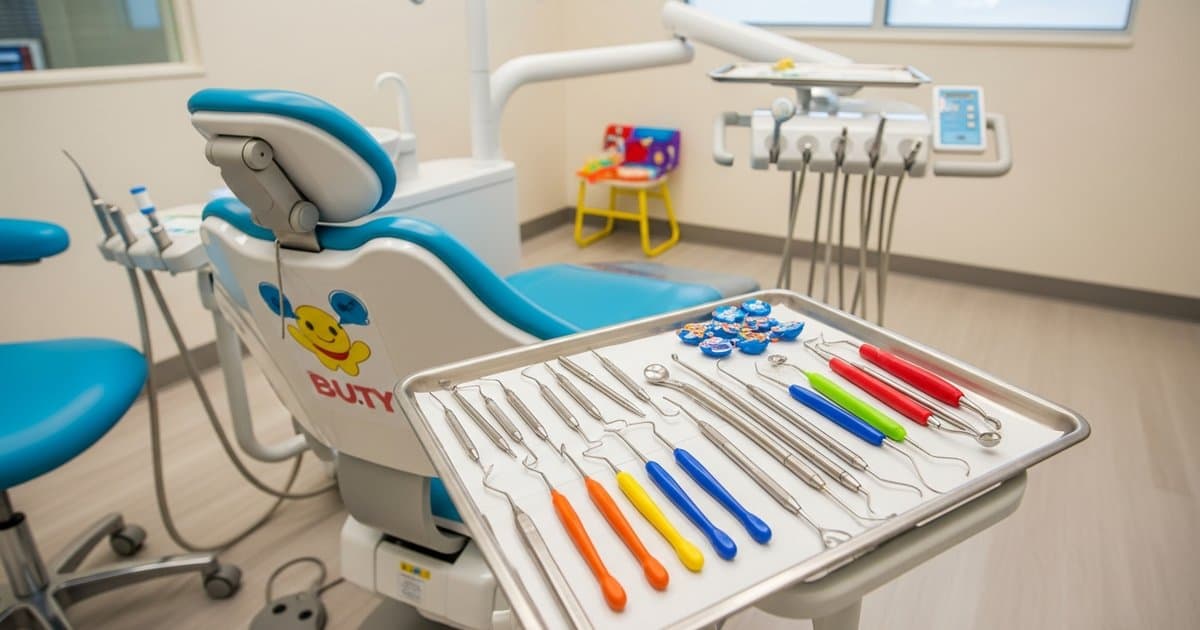
When it comes to pediatric dentistry, one size definitely doesn't fit all. Young patients require specialized care that extends beyond gentle chairside manner and colorful office décor—it demands the right tools for the job. Child-size dental instruments aren't just miniaturized versions of adult tools; they're precision-engineered instruments designed to accommodate the unique anatomical and behavioral needs of pediatric patients while ensuring optimal clinical outcomes for practitioners.
Investing in proper pediatric-specific instruments represents more than a clinical necessity—it's a strategic decision that impacts patient comfort, treatment efficiency, and long-term practice success. This comprehensive guide will help you navigate the complex landscape of pediatric dental instruments, understand why specialized tools matter, and make informed purchasing decisions that benefit both your patients and your bottom line.
Understanding the Pediatric Difference: Why Size and Design Matter
The transition from general dentistry to pediatric practice involves recognizing fundamental anatomical differences that standard instruments simply can't accommodate effectively. Children's mouths are proportionally smaller, with limited opening capacity and delicate tissues that require gentler handling. Their primary teeth have different morphology than permanent teeth, featuring thinner enamel, larger pulp chambers, and unique root configurations that demand specialized instrumentation.
Beyond anatomy, pediatric patients present unique behavioral challenges that instrument selection can significantly impact. Smaller instruments appear less intimidating to anxious children, while ergonomically designed tools allow practitioners to work more efficiently in confined spaces, reducing treatment time and patient stress. The psychological component cannot be understated—instruments that look "grown-up scary" can trigger anxiety before treatment even begins.
Consider the clinical implications: attempting to use adult-sized explorers or excavators in a 5-year-old's mouth often results in compromised visibility, increased soft tissue trauma, and extended procedure times. These factors compound to create negative experiences that can affect a child's dental attitude for life. Pediatric-specific instruments address these challenges through thoughtful design modifications including reduced working end dimensions, modified angulations for improved access, and enhanced tactile sensitivity for delicate procedures.
The engineering behind pediatric instruments also accounts for the unique properties of primary teeth. Thinner instrument tips provide better tactile feedback when working with softer primary tooth structure, while specialized excavators are designed to remove decay without over-excavation—a common concern given the proximity of pulp chambers in primary teeth. This precision ultimately leads to more conservative treatments and better long-term outcomes.
Essential Categories of Pediatric Dental Instruments
Examination and Diagnostic Instruments
Pediatric examination instruments form the foundation of effective diagnosis and treatment planning. Child-size mouth mirrors with smaller reflecting surfaces (typically 18-20mm diameter versus 22-24mm for adults) provide adequate visualization without causing discomfort or triggering gag reflexes. Look for mirrors with lightweight handles and scratch-resistant coatings that maintain clarity through repeated sterilization cycles.
Pediatric explorers feature finer tips and shorter working ends, allowing for gentle examination of fissures and contact areas in primary teeth. The DG-16 pediatric explorer remains a popular choice, offering the familiar angulation of standard explorers in a child-appropriate size. Some manufacturers now offer color-coded handles to help differentiate pediatric instruments from adult sizes, reducing confusion during procedures.
Periodontal probes designed for children typically feature finer tips and clearer markings at smaller increments. While traditional 6mm adult probes may be excessive for most pediatric applications, specialized probes with 3mm markings provide more relevant measurements for primary dentition. Consider probes with rounded tips to minimize soft tissue trauma during examination of sensitive pediatric tissues.
Restorative Instruments
Excavators represent perhaps the most critical category of pediatric restorative instruments. Child-size spoon excavators with smaller bowl dimensions and refined cutting edges allow for precise caries removal while minimizing the risk of pulpal exposure. Popular options include the #17-18 pediatric excavator set, which provides complementary angles for accessing different areas of primary molars.
Pediatric condensers and carvers require similar downsizing to accommodate smaller cavity preparations and reduced interocclusal space. Amalgam condensers with smaller plugger diameters (1-2mm) provide appropriate condensation pressure without over-packing preparations, while composite instruments with non-stick coatings facilitate placement and contouring of tooth-colored restorations in confined spaces.
Matrix systems specifically designed for primary teeth address the unique morphology and size constraints of pediatric restorations. Sectional matrices with smaller dimensions and appropriate contours help create proper contact relationships, while pediatric Tofflemire matrix bands in sizes 1 and 2 accommodate the smaller circumference of primary molars.
Surgical and Extraction Instruments
Pediatric extraction forceps deserve special attention due to the delicate nature of primary tooth removal. Child-size forceps feature smaller beaks designed to grasp primary tooth crowns without excessive pressure, while modified joint mechanisms provide appropriate force distribution. Universal primary forceps (#150s) handle most anterior extractions, while primary molar forceps (#151 and #152) accommodate posterior extractions with proper root engagement.
Elevators scaled for pediatric use help luxate primary teeth with minimal trauma to surrounding tissues and developing permanent tooth buds. Straight elevators with narrow blades (2-3mm) provide precise application of forces, while curved elevators help engage root surfaces in posterior regions. The key consideration is maintaining control while applying gentle, consistent pressure.
Surgical instruments for pediatric procedures must balance functionality with safety. Tissue scissors with rounded tips minimize accidental trauma, while pediatric curettes help debride extraction sites without damaging delicate tissues. Hemostats in smaller sizes provide adequate tissue control without overwhelming small operative fields.
Key Selection Criteria and Features to Consider
Material quality stands as the primary consideration when selecting pediatric instruments. Stainless steel instruments should meet or exceed ISO standards for corrosion resistance and edge retention. High-grade steel maintains sharpness longer and withstands repeated sterilization without degradation. Some manufacturers offer instruments with specialized coatings that reduce friction and improve tactile sensitivity—particularly valuable when working with the softer structure of primary teeth.
Handle design significantly impacts clinical performance and practitioner comfort during extended procedures. Lightweight handles reduce hand fatigue, while textured or knurled surfaces provide secure grip even when wet. Consider handles with larger diameters that distribute pressure more evenly across the hand, reducing the risk of repetitive strain injuries common in high-volume pediatric practices.
Color coding systems help organize and identify pediatric instruments quickly. Some practices implement color-coded organization where all pediatric instruments feature specific handle colors, making setup and inventory management more efficient. This system also helps prevent accidental use of adult-sized instruments during pediatric procedures.
Sterilization compatibility requires careful consideration, as pediatric practices often process instruments more frequently due to higher patient volumes. Instruments should withstand steam sterilization at standard temperatures (121°C/250°F or 132°C/270°F) without degradation. Avoid instruments with plastic components that may not tolerate repeated sterilization cycles, and verify compatibility with your specific sterilization equipment and chemical indicators.
Edge geometry becomes critical when working with primary tooth structure. Instruments with properly angled cutting edges provide better access to cavity preparations, while appropriate blade thickness prevents over-excavation of softer primary dentin. Look for manufacturers that specifically address pediatric applications in their instrument design, rather than simply scaling down adult instruments.
Cost Considerations and Budget Planning
Implementing a comprehensive pediatric instrument collection requires strategic budget planning and phased acquisition. Initial startup costs for a complete pediatric instrument set can range from $3,000 to $8,000 depending on quality levels and brand selection. However, viewing this as a long-term investment rather than an expense helps justify the initial outlay against improved clinical efficiency and patient satisfaction.
Consider the total cost of ownership when evaluating instrument options. Higher-quality instruments with superior materials and construction may cost 20-40% more initially but often last significantly longer and maintain performance through extended use. Calculate replacement frequency and factor in the cost of instrument sharpening services when comparing options. Instruments that hold their edge longer reduce long-term operational costs.
Volume purchasing strategies can significantly reduce per-unit costs for practices planning comprehensive instrument updates. Many manufacturers offer practice startup packages or bulk discounts for complete sets. Group purchasing through dental service organizations can provide additional savings, particularly for smaller practices that lack individual negotiating power with suppliers.
Budget for ongoing instrument maintenance and replacement. Even high-quality instruments eventually require sharpening or replacement, particularly excavators and scalers that see heavy use. Establish relationships with local instrument repair services or investigate manufacturer reconditioning programs that can extend instrument life at reasonable costs. Some practices find it cost-effective to maintain duplicate sets of frequently used instruments to ensure availability during repair periods.
Consider the indirect costs of inadequate instrumentation. Procedures that take longer due to inappropriate instrument size increase overhead costs per appointment while potentially requiring additional staff time. Patient comfort issues resulting from oversized instruments can lead to behavior management problems, appointment delays, and potential referrals to specialists—all of which impact practice profitability.
When planning your instrument investment, remember that proper pediatric instruments complement other essential equipment decisions. Our guide on Essential Supplies Every Pediatric Dental Office Needs provides additional insight into comprehensive practice setup, while Pediatric Dental Handpieces: What You Need to Know covers another critical equipment category that requires specialized consideration for young patients.
How TGP Can Help
The Dental Cooperative's group purchasing organization (TGP) understands the unique challenges facing pediatric dental practices, particularly when it comes to acquiring specialized instruments and supplies at competitive prices. Through our collective purchasing power, TGP members typically save 20-30% on pediatric-specific instruments compared to individual practice purchasing, making it easier to invest in the quality tools your young patients deserve.
Our pediatric dental supply specialists work directly with leading instrument manufacturers to negotiate volume pricing on complete pediatric instrument sets, individual specialty items, and replacement instruments. This relationship-based approach ensures our members access not only competitive pricing but also priority allocation during supply shortages and early access to innovative new products designed specifically for pediatric applications.
TGP's streamlined ordering system simplifies the process of maintaining adequate pediatric instrument inventory. Our online platform allows practices to establish automatic reorder points for frequently replaced items like excavators and explorers, ensuring you never face shortages during critical procedures. Additionally, our consolidated shipping reduces packaging waste and delivery complexity while providing tracking visibility for all orders.
Beyond cost savings, TGP membership provides access to clinical education resources and peer networking opportunities focused on pediatric dentistry best practices. Our quarterly webinars often feature instrument selection and technique refinement topics, while our member forums allow practitioners to share experiences and recommendations about specific pediatric instruments and suppliers.
The combination of significant cost savings, simplified procurement processes, and educational support makes TGP membership particularly valuable for pediatric practices looking to optimize their instrument collections while managing operational costs effectively. Our team stands ready to help you evaluate your current instrument needs and develop a strategic acquisition plan that balances quality, functionality, and budget considerations.
Key Takeaways
• Pediatric-specific instruments are essential for optimal clinical outcomes and patient comfort—adult instruments scaled down don't address unique anatomical and behavioral needs of young patients
• Critical instrument categories include examination tools (smaller mirrors, fine-tip explorers), restorative instruments (appropriately sized excavators, condensers), and surgical instruments (pediatric extraction forceps, scaled elevators)
• Material quality, handle ergonomics, and sterilization compatibility should guide selection decisions, with high-grade stainless steel instruments providing the best long-term value
• Color-coding systems help organize pediatric instruments and prevent confusion with adult-sized tools during procedures
• Initial investment ranges from $3,000-$8,000 for comprehensive pediatric instrument sets, but improved efficiency and patient satisfaction justify costs over time
• Group purchasing through organizations like TGP can reduce instrument costs by 20-30% while providing access to specialized pediatric products and clinical education resources
• Budget planning should account for ongoing maintenance, sharpening, and replacement costs, with higher-quality instruments often providing better total cost of ownership
• Strategic phased acquisition allows practices to upgrade instrument collections systematically without overwhelming initial capital requirements
FAQ
What's the most important difference between adult and pediatric dental instruments?
Size and proportion represent the most critical differences, but it goes beyond simple scaling. Pediatric instruments are engineered with specific considerations for smaller mouth opening, limited access, thinner enamel, and larger pulp chambers in primary teeth. The working ends are typically 20-30% smaller than adult instruments, with modified angulations for improved access in restricted spaces. Additionally, pediatric instruments often feature enhanced tactile sensitivity to work effectively with the softer structure of primary teeth, helping prevent over-excavation and pulpal complications that are more common when using adult-sized instruments.
How often should pediatric dental instruments be replaced or sharpened?
Replacement frequency depends on usage volume and instrument quality, but most pediatric practices should plan for instrument maintenance every 6-12 months for heavily used items like excavators and scalers. High-quality stainless steel instruments typically last 2-3 years with proper maintenance, while lower-grade instruments may require replacement annually. Signs that indicate replacement needs include visible wear on cutting edges, difficulty achieving clean excavation, increased procedure time, or patient discomfort during use. Many practices maintain duplicate sets of critical instruments to ensure availability during maintenance periods and reduce the urgency of replacement decisions.
Can I use regular adult instruments for older pediatric patients to save money?
While older pediatric patients (ages 10-12) may tolerate adult-sized instruments better than younger children, using appropriately sized pediatric instruments throughout the pediatric age range provides consistent clinical advantages. Mixed dentition presents unique challenges where primary and permanent teeth coexist, often requiring the precision that pediatric instruments provide. The cost savings from avoiding pediatric-specific instruments are typically offset by increased procedure times, potential complications, and reduced patient comfort. Most pediatric specialists recommend maintaining pediatric instrument sets through age 12-14, transitioning to adult instruments only when mouth size and cooperation levels consistently accommodate larger tools without compromise.