Managing chemicals safely in a pediatric dental practice requires a systematic approach to protect both your young patients and staff members. With children being more susceptible to chemical exposures and accidents, proper chemical safety protocols become even more critical. The Globally Harmonized System (GHS) for chemical labeling, comprehensive Safety Data Sheet (SDS) management, and strategic chemical storage form the foundation of a safe dental environment. This guide will help pediatric dental practice owners navigate these essential safety requirements while maintaining efficient operations and regulatory compliance.
Understanding GHS Labeling Requirements for Dental Practices
The Globally Harmonized System (GHS) standardizes chemical hazard communication worldwide, making it easier to identify and manage chemical risks in your pediatric dental practice. Under OSHA's Hazard Communication Standard, all chemical containers must display GHS-compliant labels featuring standardized pictograms, signal words, and hazard statements.
Common dental chemicals requiring GHS labeling include impression materials, bonding agents, cleaning solutions, and sterilization chemicals. Each label must contain six key elements: product identifier, supplier identification, pictograms showing hazard types, signal words ("Danger" or "Warning"), hazard statements describing the nature of hazards, and precautionary statements explaining protective measures.
For pediatric practices, pay special attention to chemicals with pictograms indicating acute toxicity, corrosion, or environmental hazards. Products like glutaraldehyde-based sterilants, hydrogen peroxide solutions, and certain composite resins require heightened awareness. The health hazard pictogram (red diamond with silhouette) is particularly important, as it indicates potential respiratory sensitization or reproductive toxicity – concerns that are amplified when treating children.
Secondary containers used for day-to-day operations must also be properly labeled unless they're used immediately by the person who transferred the chemical. This means those squeeze bottles of disinfectant or small containers of etching gel need appropriate GHS labels. Consider implementing a color-coding system alongside GHS labels to help staff quickly identify chemical types and hazard levels.
Staff training on GHS pictogram recognition is essential. Create visual reference cards showing the nine GHS pictograms with examples of dental chemicals in each category. Post these in chemical storage areas and treatment rooms where staff regularly handle hazardous materials. Regular refresher training ensures everyone stays current with labeling requirements and safety protocols.
Implementing Effective Safety Data Sheet Management Systems
Safety Data Sheets provide comprehensive information about chemical hazards, safe handling procedures, and emergency response measures. OSHA requires dental practices to maintain current SDSs for all hazardous chemicals and make them readily accessible to employees during work shifts.
Establish a centralized SDS management system using either physical binders or digital platforms. Digital systems offer advantages for pediatric practices, including easier updates, search functionality, and remote access capabilities. Cloud-based SDS management platforms automatically update sheets when manufacturers revise them, ensuring your information remains current without manual intervention.
Organize SDSs by chemical category or alphabetically by product name. Include sections for cleaning chemicals, sterilization products, dental materials (composites, bonding agents, impression materials), and emergency chemicals. Cross-reference your chemical inventory with available SDSs monthly to identify missing or outdated sheets.
Key information to review in dental SDSs includes first aid measures, fire-fighting measures, accidental release measures, handling and storage requirements, exposure controls and personal protection equipment, and toxicological information. For pediatric practices, pay particular attention to reproductive toxicity data and recommendations for minimizing exposure during pregnancy – important considerations for staff who may be expecting.
Create SDS quick-reference sheets for commonly used chemicals, extracting essential safety information onto single-page summaries. Include pictograms, primary hazards, required PPE, storage requirements, and emergency procedures. Laminate these references and post them near chemical storage areas and in treatment rooms where these products are used.
Train staff on SDS navigation and interpretation. Many employees find the 16-section format overwhelming, so focus training on sections most relevant to daily operations: hazards identification, first aid measures, handling and storage, and exposure controls. Conduct quarterly reviews of high-risk chemical SDSs during staff meetings to reinforce safety awareness.
Best Practices for Chemical Storage in Pediatric Dental Settings
Proper chemical storage protects children, staff, and parents while maintaining product integrity and regulatory compliance. Pediatric practices face unique challenges, as curious children may attempt to access storage areas, making secure storage paramount.
Design chemical storage areas with multiple layers of security. Use lockable cabinets for all hazardous materials, with high-mounted locks that children cannot reach. Install cabinet door alarms that sound when opened, alerting staff to potential unauthorized access. Consider biometric locks for areas containing controlled substances or highly dangerous chemicals.
Segregate incompatible chemicals to prevent dangerous reactions. Common incompatible pairs in dental practices include acids and bases, oxidizers and flammables, and chlorine-containing products with ammonia-based cleaners. Use separate storage cabinets or install barriers within larger storage areas. Refer to your OSHA Compliance Checklist for Dental Offices for specific segregation requirements.
Implement proper ventilation in chemical storage areas. Install exhaust fans that create negative pressure, preventing chemical vapors from entering patient areas. This is particularly important for pediatric practices, as children's developing respiratory systems are more sensitive to chemical exposures. Ensure ventilation systems are regularly maintained and tested for proper operation.
Store chemicals at appropriate temperatures and humidity levels. Many dental materials require cool, dry storage to maintain stability and effectiveness. Install temperature and humidity monitoring systems with alarms that alert staff to condition changes. Keep heat-sensitive materials like composite resins and bonding agents in temperature-controlled environments, ideally between 68-77°F.
Maintain minimum and maximum inventory levels to balance cost savings with safety. Overstocking increases exposure risks and disposal costs when products expire. Use first-in, first-out rotation principles, clearly marking receipt dates on all chemical containers. Establish relationships with suppliers who can provide frequent, smaller deliveries rather than large quarterly shipments.
Create detailed chemical inventory logs including product names, manufacturer information, receipt dates, expiration dates, storage locations, and quantity on hand. Update these logs weekly and conduct monthly physical inventory checks. Digital inventory systems can automate reorder points and expiration date tracking, reducing the likelihood of using expired materials or running out of essential supplies.
For more specific guidance on chemical storage for cleaning products, review our Surface Disinfectants for Dental Offices: A Comparison Guide, which includes storage recommendations for various disinfectant types.
Personal Protective Equipment and Chemical Handling Protocols
Personal protective equipment selection and proper use are critical when handling dental chemicals, especially in pediatric environments where staff may need to respond quickly to child-related emergencies while wearing protective gear.
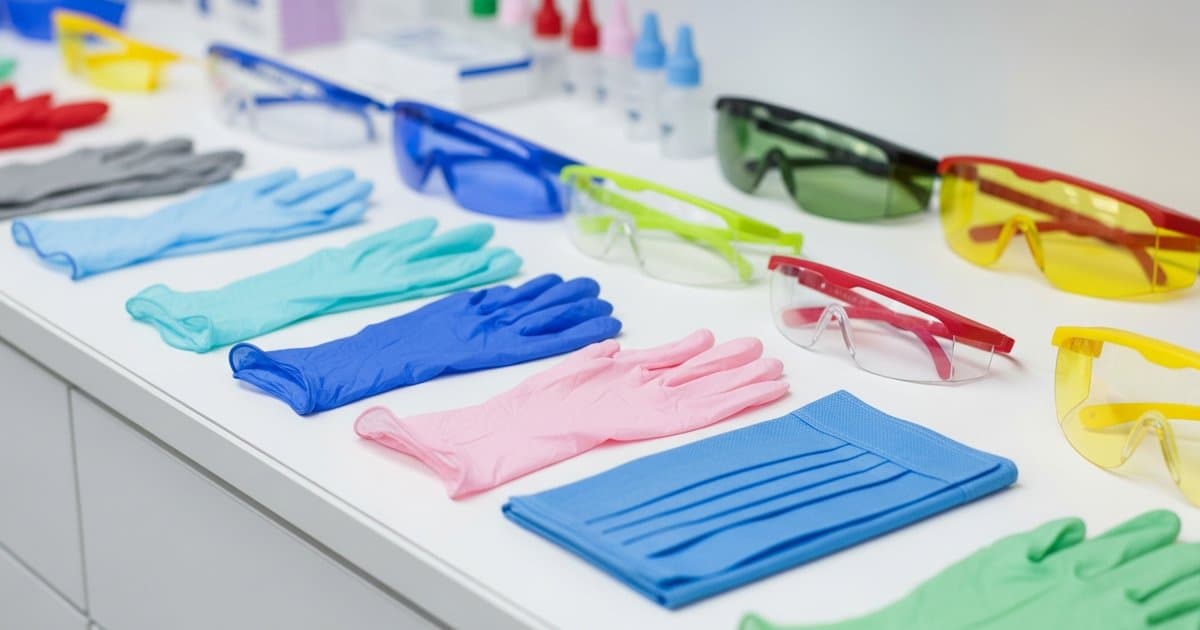
Establish chemical-specific PPE requirements based on SDS recommendations and workplace exposure assessments. Basic PPE for most dental chemical handling includes nitrile gloves (latex-free for allergy considerations), safety glasses with side shields, and disposable lab coats or aprons. Upgrade to chemical-resistant gloves for handling acids, solvents, or sterilization chemicals. Consider double-gloving protocols for high-risk procedures.
Ensure PPE fits properly and doesn't compromise mobility or dexterity needed for pediatric patient care. Ill-fitting gloves can tear during chemical handling, while oversized safety glasses may slip during patient treatment. Stock multiple PPE sizes and conduct regular fit-testing for respiratory protection equipment.
Train staff on proper PPE donning and doffing sequences to prevent cross-contamination. Establish contaminated PPE disposal protocols, with designated waste containers near chemical handling areas. Never reuse disposable PPE, and inspect reusable equipment before each use for signs of chemical degradation or damage.
Implement chemical handling protocols that minimize exposure risks. Use closed-system mixing when possible, work in well-ventilated areas, and never eat, drink, or apply cosmetics in areas where chemicals are handled. Establish hand washing stations near chemical storage areas with appropriate soap and emergency eyewash capabilities.
Create spill response procedures tailored to chemicals commonly used in your practice. Small spill kits should be available in areas where chemicals are stored or used, containing absorbent materials, neutralizing agents when appropriate, and disposal bags. Train all staff on spill response procedures and conduct quarterly spill response drills.
Emergency Procedures and Staff Training Programs
Comprehensive emergency procedures and ongoing staff training form the backbone of chemical safety in pediatric dental practices. Children's presence requires modified emergency responses that account for their safety while addressing chemical incidents.
Develop chemical emergency action plans covering exposure incidents, spills, fires, and evacuations. Include pediatric-specific considerations such as age-appropriate communication during evacuations, parent notification procedures, and modified first aid approaches for children. Post emergency contact numbers for poison control, local emergency services, and environmental cleanup companies in multiple locations.
Establish exposure incident protocols that prioritize immediate care while documenting incidents for regulatory compliance and insurance purposes. Create incident report forms that capture exposure details, affected individuals, immediate response actions, and follow-up care provided. Include sections for parent notification when incidents occur during patient visits.
Conduct monthly chemical safety training sessions covering different aspects of your safety program. Rotate topics through GHS labeling updates, new chemical introductions, emergency procedure reviews, and hands-on PPE training. Use interactive training methods that engage different learning styles and include scenario-based exercises.
Implement competency testing to verify staff understanding of chemical safety protocols. Use written tests, practical demonstrations, and scenario discussions to assess knowledge retention. Document training completion and competency verification for regulatory compliance and liability protection.
Establish relationships with local emergency response teams and familiarize them with your facility layout and chemical inventory. Provide fire departments and emergency medical services with copies of your chemical inventory and facility maps showing storage locations. This preparation can significantly improve response times and effectiveness during actual emergencies.
How TGP Can Help
Managing chemical safety effectively while controlling costs can be challenging for pediatric dental practices. TGP's group purchasing organization helps member practices save 20-30% on essential safety supplies and chemical management tools. Through our negotiated contracts with leading manufacturers, members access discounted pricing on GHS-compliant labeling systems, SDS management software, chemical storage cabinets, and personal protective equipment.
Our chemical safety purchasing program includes specialized solutions for pediatric practices, such as child-resistant storage systems, low-toxicity cleaning alternatives, and compact chemical storage solutions ideal for smaller practice spaces. Members also receive exclusive access to safety training resources, including customizable staff training programs and emergency response planning templates designed specifically for dental practices treating children.
TGP's vendor relationships extend beyond simple cost savings to include technical support and expert consultation. Our preferred suppliers provide complimentary chemical safety assessments, helping you identify potential hazards and optimize storage layouts. Additionally, members receive priority access to new safety technologies and products as they become available, ensuring your practice stays current with evolving safety standards.
The combination of significant cost savings and enhanced safety support makes TGP membership a valuable investment for pediatric dental practices committed to maintaining the highest safety standards while controlling operational expenses.
Key Takeaways
• GHS labeling requirements apply to all chemical containers in dental practices, including secondary containers used for daily operations
• Digital SDS management systems offer advantages over paper-based systems, including automatic updates and improved accessibility
• Chemical storage in pediatric practices requires additional security measures to prevent unauthorized access by children
• PPE selection must balance chemical protection requirements with the mobility needed for pediatric patient care
• Emergency procedures should include pediatric-specific considerations such as age-appropriate communication and parent notification protocols
• Regular staff training and competency testing are essential for maintaining effective chemical safety programs
• Professional group purchasing organizations can significantly reduce costs while improving access to safety resources and expert support
Frequently Asked Questions
How often should we update our chemical inventory and SDS collection?
Chemical inventories should be updated whenever new products are received or disposed of, with comprehensive reviews conducted monthly. SDS collections require updates whenever manufacturers issue new versions, which typically occurs every 3-5 years or when formulations change. Digital SDS management systems automatically update sheets, while paper systems require manual monitoring of manufacturer websites or supplier notifications. Establish relationships with suppliers who proactively notify customers of SDS updates, and conduct quarterly audits to ensure your collection remains current and complete.
What are the most common chemical safety violations found in pediatric dental practices?
The most frequent violations include inadequate secondary container labeling, missing or outdated Safety Data Sheets, improper chemical storage segregation, and insufficient staff training documentation. Many practices struggle with maintaining current SDSs for all chemicals, properly labeling small containers used for daily operations, and storing incompatible chemicals separately. OSHA also frequently cites practices for inadequate emergency eyewash stations and insufficient documentation of chemical safety training. Regular self-audits using standardized checklists can help identify and correct these common deficiencies before regulatory inspections occur.
Are there special considerations for managing dental chemicals around pregnant staff members?
Yes, pregnant staff members require additional protection from certain dental chemicals, particularly those with reproductive toxicity warnings on their GHS labels. Common concerns include exposure to nitrous oxide, certain composite resins, mercury-containing materials, and some sterilization chemicals. Review SDSs section 11 (toxicological information) for reproductive toxicity data, and consult with occupational health professionals to develop appropriate exposure controls. Consider job rotation, enhanced ventilation, upgraded PPE, or temporary duty modifications as needed. Document all accommodations and maintain open communication with affected staff members about potential risks and available protections.