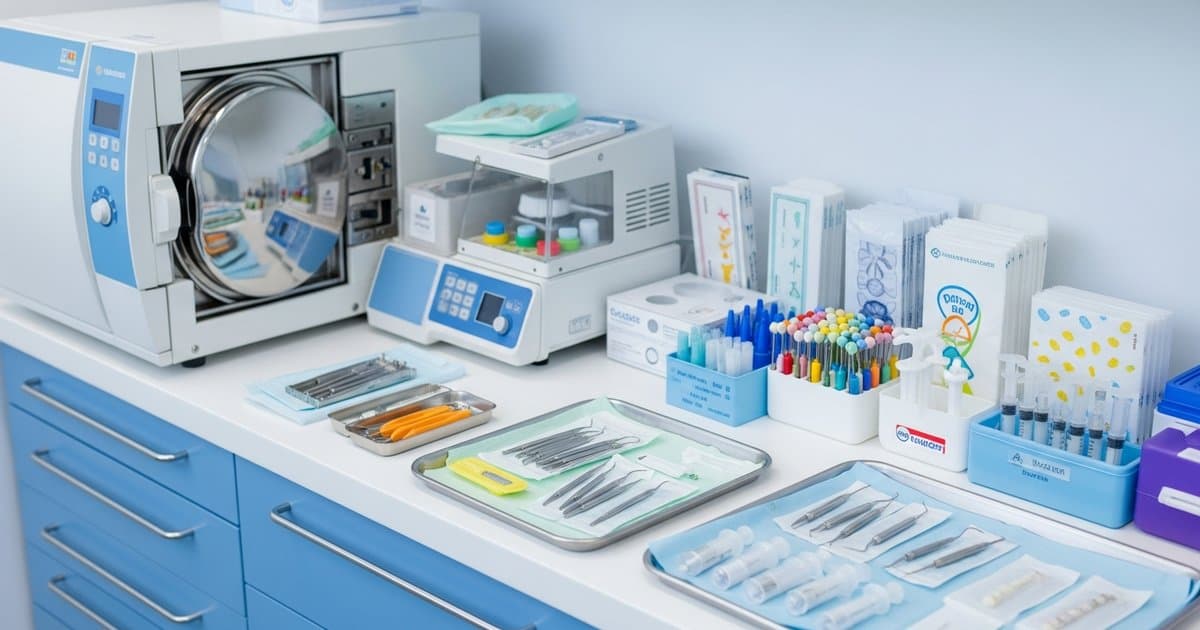
Maintaining a safe, sterile environment in pediatric dental practices requires meticulous attention to infection control protocols, and barrier products serve as your first line of defense against cross-contamination. Unlike adult practices where procedures may be more predictable, pediatric operatories face unique challenges including frequent movement, unexpected patient reactions, and the need for multiple surface contacts during treatment. Implementing effective barrier protection systems not only ensures compliance with CDC and OSHA guidelines but also streamlines your cleanup process between patients, ultimately improving efficiency and reducing staff workload while maintaining the highest safety standards for your young patients.
Understanding Barrier Product Categories for Pediatric Practices
Barrier products in pediatric dental operatories fall into three primary categories, each designed to address specific contamination risks and operational challenges. Surface covers represent the most visible category, including chair covers, tray covers, and countertop protection that directly interface with patient contact areas. These products must withstand the unique demands of pediatric dentistry, where children may grab, touch, or accidentally contact multiple surfaces during treatment.
Sleeve protectors and equipment barriers form the second category, designed to shield expensive equipment and hard-to-clean devices from contamination. In pediatric settings, these products must accommodate frequent adjustments to lighting, suction systems, and monitoring equipment as practitioners adapt to smaller patients and potentially unpredictable movements.
The third category encompasses specialized disposable barriers designed for high-touch areas specific to pediatric practices, including toy covers, tablet protectors for entertainment systems, and barrier films for child-friendly decorative elements that make the operatory environment more welcoming but also create additional contamination risks.
Understanding these categories helps practice owners develop comprehensive barrier strategies that address both regulatory requirements and the practical realities of treating children. The key lies in selecting products that balance protection effectiveness with ease of use, ensuring staff can quickly transition between patients without compromising safety standards.
Essential Surface Covers and Protection Systems
Chair and patient contact surfaces require the most robust barrier protection in pediatric operatories, as children tend to touch and move more frequently than adult patients. High-quality dental chair covers should feature fluid-resistant backing, secure attachment systems that won't shift during treatment, and comfortable surfaces that won't create anxiety for sensitive young patients. Look for covers with reinforced edges and tear-resistant materials, as pediatric procedures often involve more dynamic positioning and adjustment.
Tray covers and work surface barriers must accommodate the specialized instruments and materials used in pediatric dentistry, including smaller-sized tools, fluoride applications, and behavior management aids. Disposable tray covers with raised edges help contain small items while providing easy cleanup, particularly important when treating children who may accidentally knock over materials or require multiple instrument changes during a single visit.
Countertop and cabinetry protection presents unique challenges in pediatric settings, where surfaces often house child-friendly distractions, educational materials, or comfort items. Barrier films that can be quickly applied and removed allow practices to maintain their welcoming environment while ensuring thorough disinfection capabilities. Consider products that offer both standard clear films and printed designs that can enhance rather than detract from your operatory's child-friendly aesthetic.
Light handle covers and control panel barriers require special attention in pediatric practices, as frequent adjustments are common when treating patients of varying sizes and cooperation levels. Elastic-fitted covers that maintain tactile sensitivity while preventing contamination work best, allowing staff to make necessary adjustments without compromising sterility protocols established in your Infection Control Fundamentals for Pediatric Dental Offices.
Equipment-Specific Sleeve Protectors and Shields
Suction system protection requires particular consideration in pediatric dentistry, where saliva ejectors and high-volume evacuators may need frequent repositioning and adjustment. Disposable sleeve protectors for suction handles should offer secure grip surfaces while maintaining flexibility for the varied positioning required when treating children of different ages and sizes. Look for products that can accommodate both adult and pediatric suction tips without creating bulk that might intimidate young patients.
X-ray equipment barriers face unique demands in pediatric practices, where digital sensors must be protected while remaining comfortable for small mouths. Sensor sleeves specifically designed for pediatric use offer enhanced comfort while maintaining image quality, and positioning device covers must accommodate the frequent adjustments needed when working with children who may have difficulty maintaining proper positioning.
Handpiece and delivery system protection requires products that can withstand the frequent sanitization needs common in pediatric practices, where cross-contamination risks may be higher due to increased patient movement and contact. Disposable covers that can be quickly applied and removed between patients help maintain the sterile field while accommodating the workflow demands of a busy pediatric practice.
Technology integration barriers have become increasingly important as pediatric practices incorporate entertainment systems, intraoral cameras, and digital communication tools to enhance patient experience. Protective covers for tablets, screens, and interactive devices must balance contamination control with functionality, ensuring these valuable patient management tools remain both safe and effective.
Specialized Pediatric Considerations and Applications
Child-specific behavioral factors significantly impact barrier product selection and implementation strategies. Young patients may grab or touch surfaces impulsively, requiring more comprehensive coverage of typically low-risk areas. Barrier products in pediatric operatories should account for this increased contact potential while maintaining a non-threatening, comfortable environment that supports positive dental experiences.
Size and accessibility considerations become crucial when selecting barrier products for pediatric use. Standard adult-sized covers may be oversized for pediatric chairs and equipment, potentially creating loose edges or excess material that could cause anxiety or interfere with treatment. Pediatric-specific barrier products designed for smaller equipment dimensions provide better fit and functionality while maintaining appropriate protection levels.
Entertainment and comfort item protection presents unique challenges requiring creative barrier solutions. Many pediatric practices use ceiling-mounted televisions, handheld gaming devices, or comfort items that require protection between patients. Developing protocols for covering and cleaning these items while maintaining their therapeutic value requires specialized barrier products and staff training specific to pediatric infection control needs.
Color and design psychology plays a role in barrier product selection for pediatric practices, where the visual impact of sterile materials can affect patient comfort and cooperation. Some manufacturers offer barrier products in child-friendly colors or with subtle patterns that maintain professionalism while reducing the clinical appearance that might intimidate young patients.
Parent and caregiver considerations also influence barrier product strategies, as family members may need to remain close to children during treatment, potentially creating additional contamination pathways. Barrier products must account for this increased operatory occupancy while maintaining clear delineation between sterile and non-sterile zones.
Workflow Integration and Staff Efficiency Strategies
Streamlined application and removal processes become critical in pediatric practices where patient turnover may be frequent and time between appointments limited. Barrier products should integrate seamlessly into existing workflows without adding significant time or complexity to room preparation procedures. Pre-assembled barrier kits customized for different procedure types can significantly reduce setup time while ensuring comprehensive protection.
Staff training requirements for barrier product use should address both proper application techniques and pediatric-specific considerations such as patient communication and anxiety management during barrier placement and removal. Regular training updates help ensure consistent application and maximize the effectiveness of your chosen barrier systems while supporting the principles outlined in your Surface Disinfectants for Dental Offices: A Comparison Guide.
Quality control and monitoring systems help ensure barrier products maintain their protective effectiveness over time. Regular assessment of barrier integrity, proper application techniques, and staff compliance helps identify potential improvements in your infection control protocols while maintaining cost-effectiveness and patient safety standards.
Inventory management strategies should account for the potentially higher usage rates common in pediatric practices, where barrier products may need more frequent replacement due to increased contact and movement. Establishing par levels and reorder points specific to your practice's patient volume and procedure mix helps prevent stockouts while controlling costs.
How TGP Can Help
The Group Practice (TGP) understands the unique supply chain challenges facing pediatric dental practices, particularly when it comes to maintaining adequate inventory of essential barrier products while managing costs effectively. As a specialized group purchasing organization focused exclusively on dental practices, TGP leverages collective buying power to secure pricing discounts of 20-30% on the barrier products and infection control supplies discussed throughout this guide.
TGP's pediatric-focused approach means access to specialized barrier products specifically designed for children's dental care, including properly sized chair covers, child-friendly colored barriers, and equipment protection systems scaled for pediatric operatories. Rather than forcing pediatric practices to adapt adult-sized products, TGP sources manufacturers who understand the unique requirements of treating young patients.
The organization's vendor relationships extend beyond simple cost savings to include access to training resources, product education, and implementation support that helps pediatric practices optimize their barrier product usage. TGP members receive guidance on workflow integration, staff training materials, and best practice sharing from other successful pediatric practices within the network.
Additionally, TGP's inventory management support helps pediatric practices maintain appropriate stock levels of barrier products without tying up excessive capital in supplies. The organization's demand forecasting and automated ordering systems account for the seasonal variations and growth patterns common in pediatric practices, ensuring consistent supply availability while optimizing cash flow.
Key Takeaways
• Comprehensive barrier protection requires addressing three categories: surface covers, equipment sleeves, and specialized pediatric-specific barriers to ensure complete operatory protection
• Pediatric practices need barrier products specifically sized and designed for children's dental equipment and behavioral patterns, rather than adapting adult-focused solutions
• Integration of barrier products with entertainment and comfort systems requires specialized approaches that maintain both infection control standards and positive patient experiences
• Workflow efficiency depends on selecting barrier products that balance comprehensive protection with rapid application and removal capabilities suited to pediatric practice demands
• Cost management through group purchasing organizations can reduce barrier product expenses by 20-30% while providing access to pediatric-specific solutions and implementation support
• Regular staff training and quality monitoring ensure barrier products maintain their protective effectiveness while supporting positive patient interactions
• Inventory management systems should account for higher usage rates and seasonal variations common in pediatric dental practices
FAQ
What makes barrier product selection different for pediatric practices compared to general dentistry?
Pediatric practices face unique challenges including increased patient movement, smaller equipment dimensions, and the need to maintain a child-friendly environment while ensuring sterile conditions. This requires barrier products specifically designed for pediatric equipment sizes, materials that can withstand more frequent contact and adjustment, and solutions that accommodate entertainment systems and comfort items commonly used in children's dentistry. Additionally, pediatric barriers must consider the psychological impact on young patients, sometimes requiring less clinical-appearing materials or child-friendly colors that maintain professionalism while reducing anxiety.
How often should disposable barriers be changed in a busy pediatric practice?
Disposable barriers must be changed between every patient regardless of practice volume or procedure type, following standard infection control protocols. However, pediatric practices may need to change barriers more frequently within a single appointment if contamination occurs due to unexpected patient movement, spills, or extensive contact with non-sterile surfaces. The key is maintaining barrier integrity throughout each procedure and immediately replacing any barrier that becomes torn, displaced, or contaminated during treatment.
Can barrier products completely eliminate the need for surface disinfection in pediatric operatories?
No, barrier products supplement but do not replace comprehensive surface disinfection protocols. While effective barriers significantly reduce direct contamination of surfaces and equipment, proper infection control requires both barrier protection and thorough disinfection of all surfaces between patients. Barriers primarily serve to simplify the cleaning process and provide additional protection for hard-to-disinfect items, but underlying surfaces still require appropriate disinfection according to CDC and OSHA guidelines to ensure complete contamination control in pediatric dental environments.